
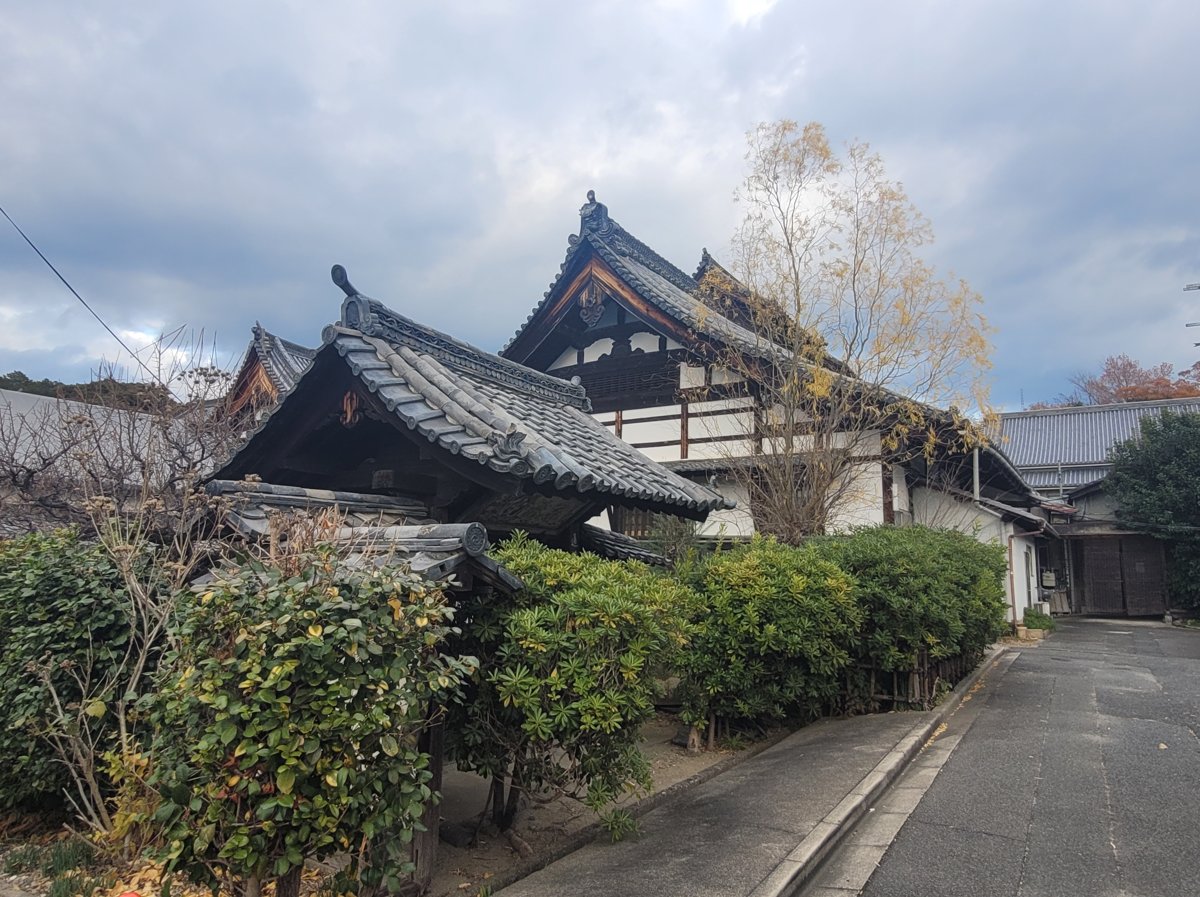
Known as Kyoto’s “Chinese Temple” because of its origins, Manpukuji is the head temple of the Japanese Obaku Zen school.
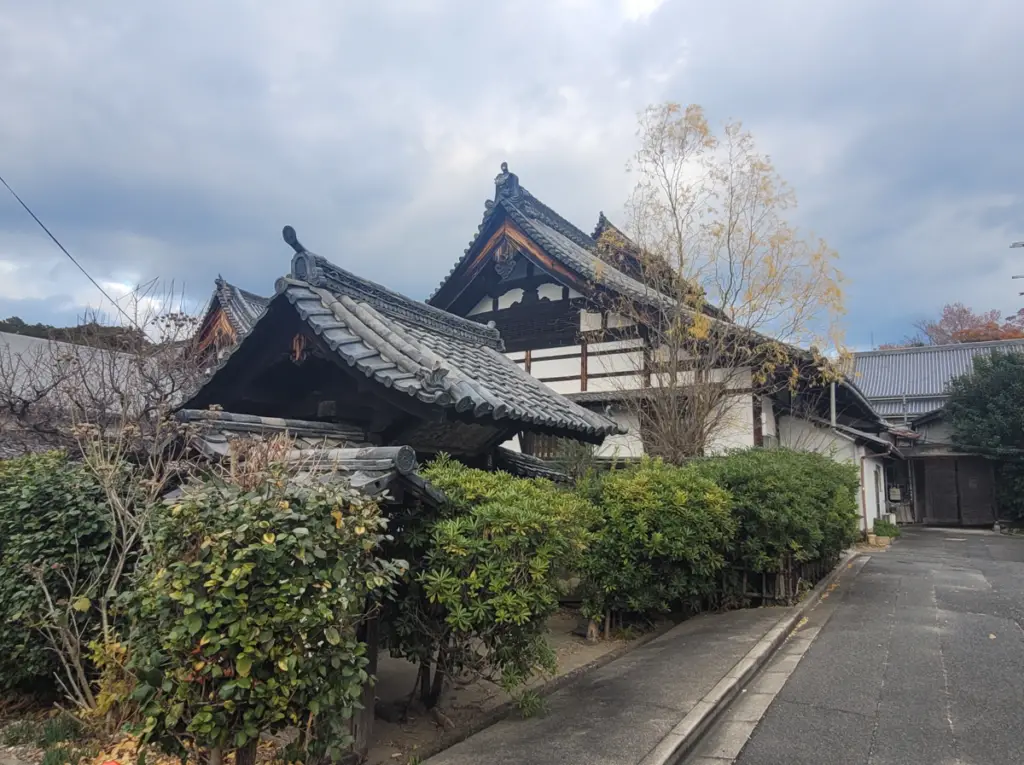
Whenever I’d speak to a Japanese person about where I lived, they’d always ask if I’d been to the “Chinese Temple” in Obaku. This is because my home town Mukaijima is quite close to this well-known landmark. As something of a local myself now, I decided to visit this cultural temple known as Manpukuji.
A Confusing Layout
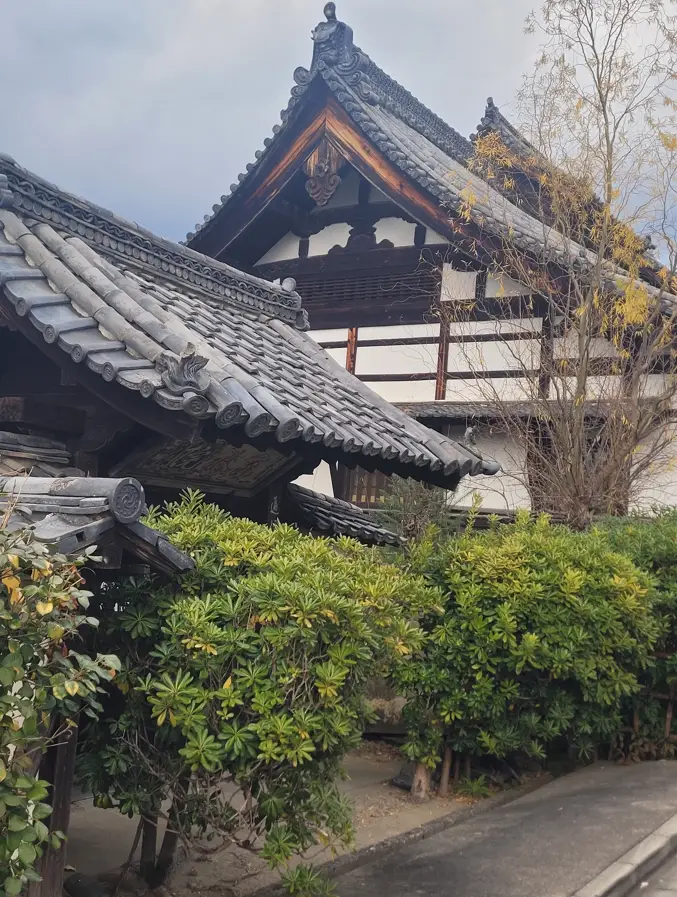
It took me about an hour’s walk to get to Manpukuji from my home in Mukaijima, though when I arrived, I was not so sure that I had.
You see, Manpukuji has a rather interesting layout where the buildings are not all situated in the same spot.
In fact, there are various entrances to Manpukuji Temple, and I had made the mistake of thinking there was only one.
A Village of Sorts?
Needless to say, I ended up at one of the least impressive parts of the temple, though it was interesting to see how it all spread out across a large chunk of land.
Indeed, visiting Manpukuji feels like you’ve entered a village of sorts, and at times I wasn’t sure which areas were open to the public or prohibited.
While it’s hard to notice from the grounds, the layout of Manpukuji’s buildings actually forms the shape of a dragon.
Cool as it sounds, it’s a bit sad that you can only appreciate this feat by using a drone or flying over in a plane or helicopter…
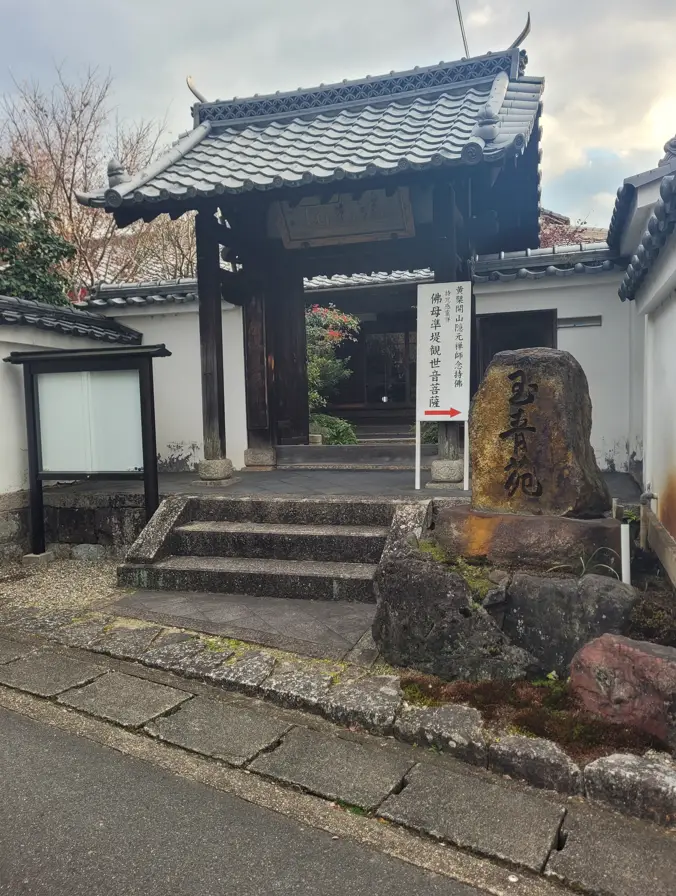
An Ominous Sign
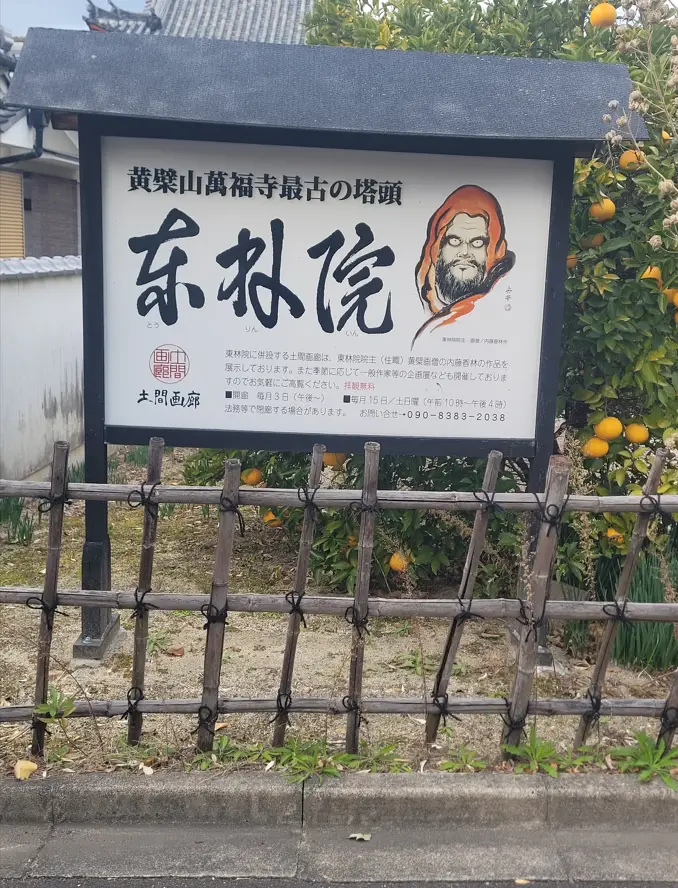
There seemed to be a few mandarin (or orange?) trees around Manpukuji Temple, though I’m unsure of its significance.
With it was this ominous-looking sign that quite frankly freaked me out a bit. I had no intention of stealing fruit from the tree but that face made sure I didn’t.
That’s about all I saw of Manpukuji, though I know there’s a lot more to it. Perhaps in the future I will update this piece covering the entire village-like temple that is Manpukuji!
To learn more about life in Japan, check out my book: The Japanese Pursuit of Perfection. This book features my most profound observations of Japanese culture and society as a foreign resident. Available in e-book, paperback, and hardcover. Grab your copy today!