
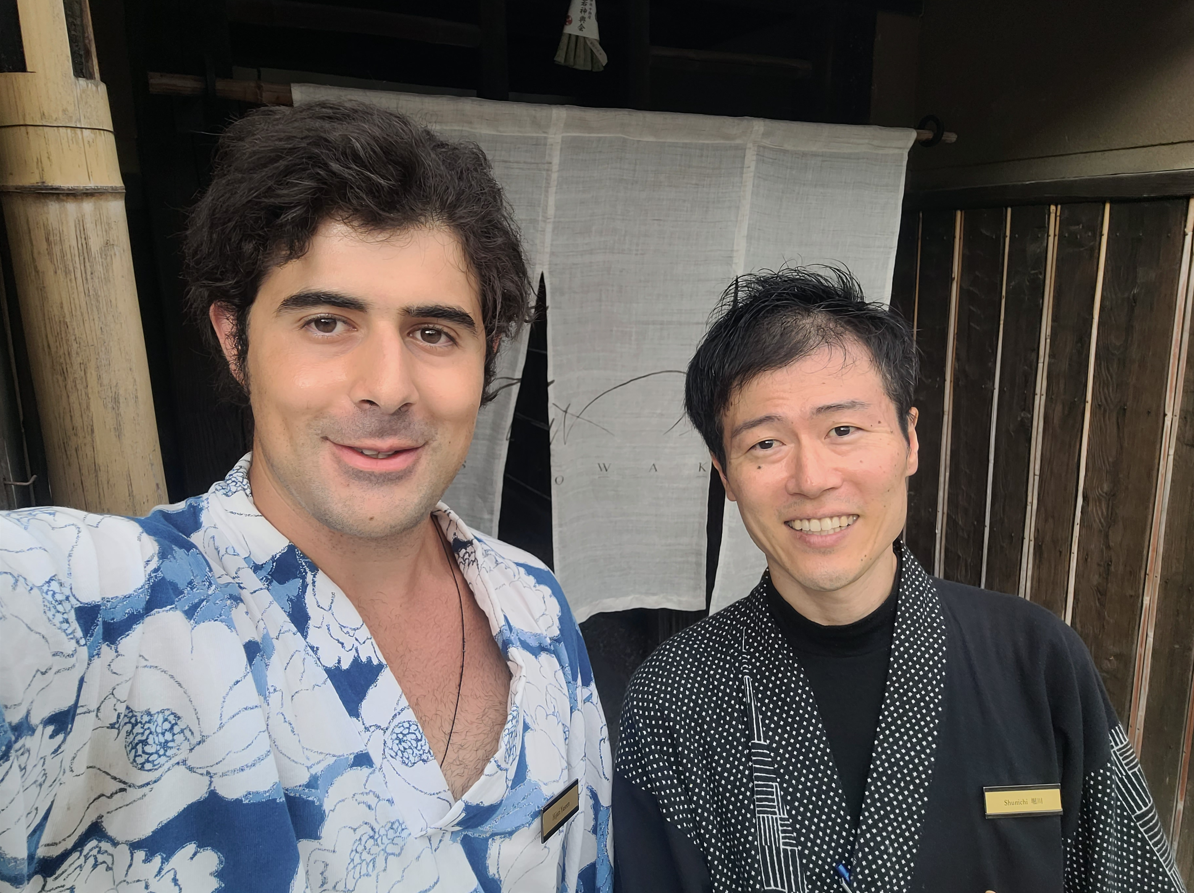
It’s an interesting question that often circulates around the Internet. Here’s my honest take as a foreign resident in Japan for 3 years.
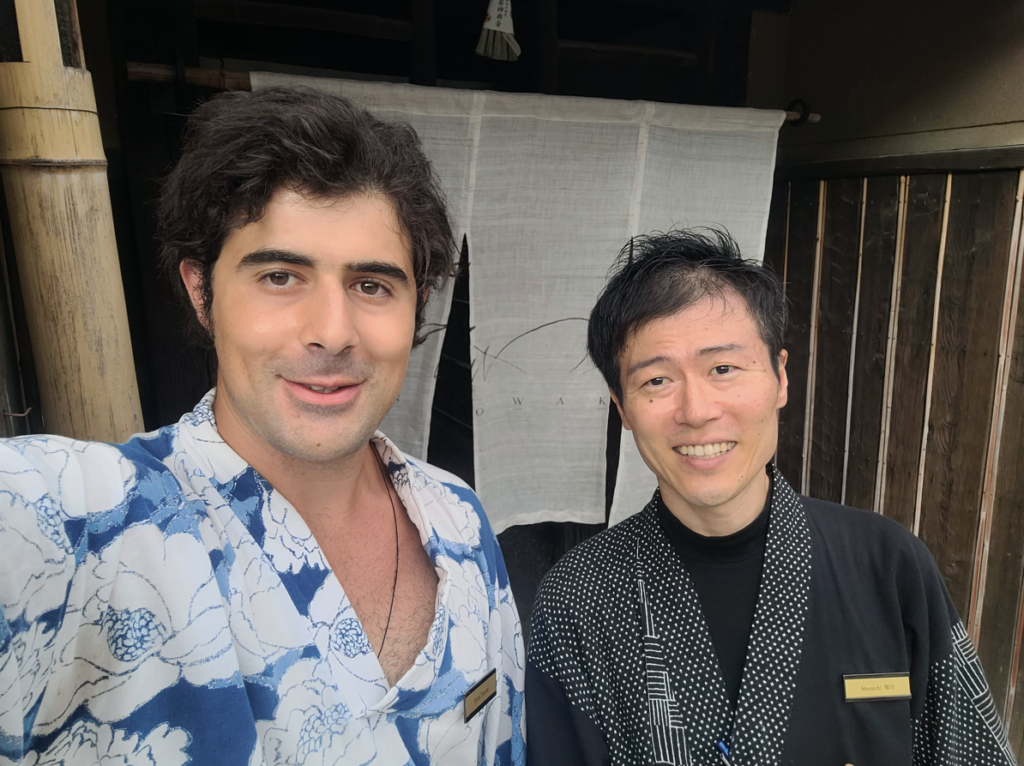
Japanese people are often regarded as some of the most polite and well-mannered people in the world. That being said, it is certainly true that relationships with foreigners come with unique challenges. From language barriers to cultural differences, it’s not always smooth sailing.
In this article, I shall address the question of “how do Japanese people treat foreigners?” Instead of referring to surveys and statistics, I’ll simply be sharing my own anecdotal experiences of my time in Japan, both as a foreign resident and visiting tourist.
Workplace Relations
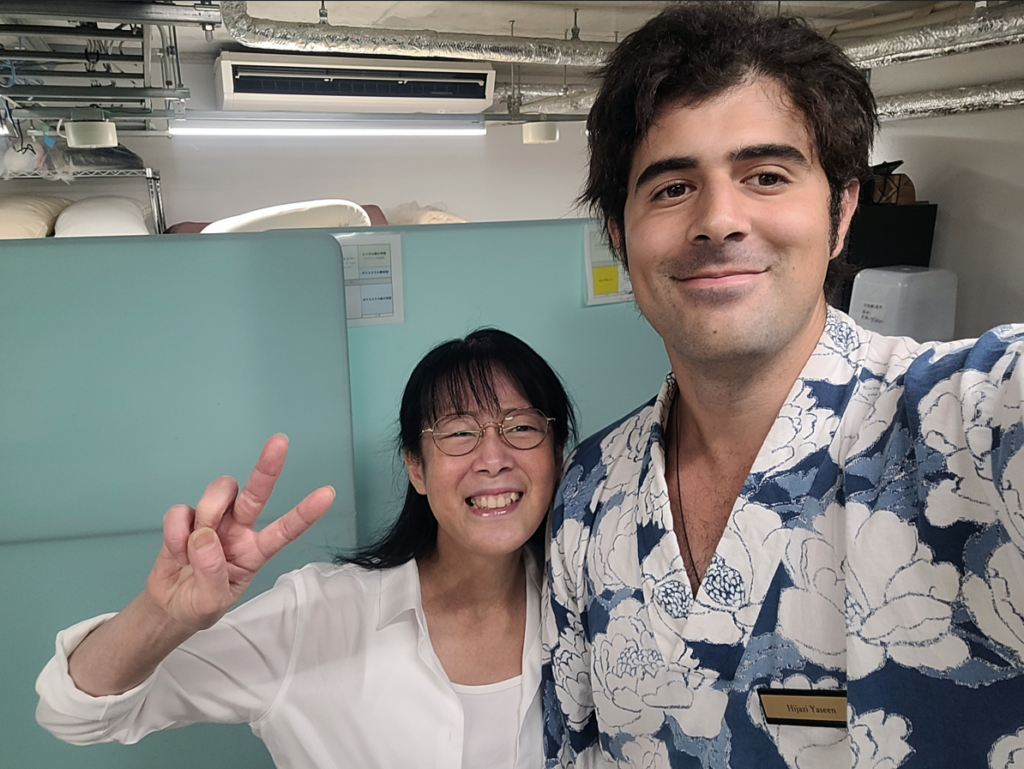
During my time living in Kyoto, I had the privilege of working at SOWAKA, a luxury hotel with a traditional-modern aesthetic. Without a doubt, my Japanese level was the lowest in the whole company, even including all the foreign workers. That being said, I was accepted as a valuable member of the team, and colleagues would do what they could to facilitate communication with me using a combination of simple Japanese and English.
Some more than others, I would often be treated as something “exotic” in the workplace, albeit for my foreign appearance as well as my clear beginner-level Japanese skills. While the other foreign workers were able to build deeper connections with our Japanese colleagues, my friendships tended to be a little more surface-level and “good vibes,” so to speak. I always believe honesty is the best policy, and I’ve been very open about my lackluster Japanese skills, and to some degree, I felt that kind of transparency was appreciated by my colleagues.
Indeed, wherever foreign workers exist, there’s a good chance you’ll be treated well by the Japanese, perhaps even better than their own. However, if you were to visit a countryside town devoid of foreigners, your presence would likely be viewed with more skepticism and caution as the locals wonder what business you have in a foreigner-less town.
Friendship Expectations

Friendship with the Japanese has all the potential when there is a mutual language connection, whether it’s in Japanese or English. In the case of my hopeless self, I would rely on meeting English-speaking Japanese folk. While few and far between, they do exist! That being said, just because they speak English does not necessarily make them “Westernized” or “more like you,” but there does present a greater opportunity to learn more about each other and their cultural mindsets.
While not a major issue, I did notice the stereotype of “Japanese people always being on time” rang true in my experiences. Despite being only 5 minutes late to a meetup with my Japanese friend, I was scolded for being late (though in a light-hearted manner). She went on to tell me about the differing perspectives on punctuality in Japan versus the West, and how getting there before the time of meeting is taken quite seriously in the world of Japanese social relations.
Of course, as a foreigner, you’ll never be judged so harshly on things, though treatment may vary based on your time spent in Japan. For example, I often get called out on my poor Japanese skills despite living in Japan for the good part of 3 years, and perhaps rightfully so! The truth is, I could have made more efforts in studying Japanese, but I justified my laziness in that area using the fact that I was not planning to stay in Japan forever. In any case, the longer you stay in Japan, the more chance you’ll start to get called out (hopefully in a friendly manner) for not adopting some of the customs and etiquette of the culture, starting with the language, of course!
Friendliness Levels May Vary…
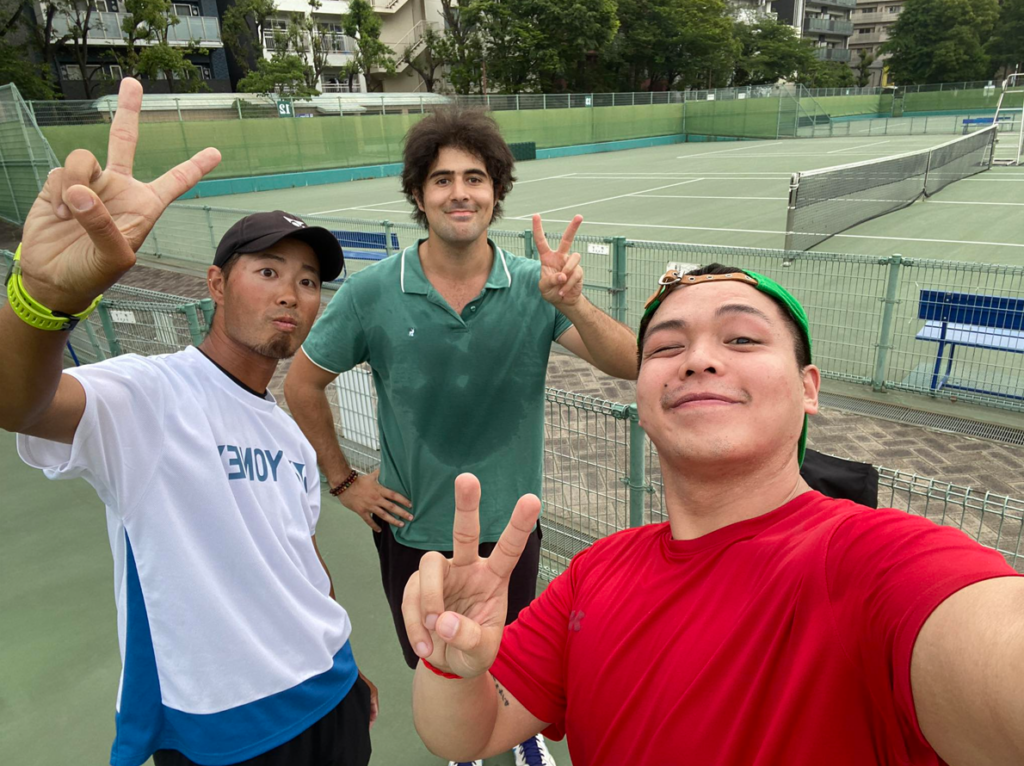
By now, you would have realized just about every photo in this article has peace signs thrown out, a beloved photo pose amongst the Japanese. While not originating from Japan, the peace sign is seen as a reflection of happiness, excitement, or even as a victory pose for photos, and is used by Japanese people of all ages.
Interestingly, you’ll find the level of friendliness toward foreigners varies by prefecture, typically in correspondence to the population of foreign tourists or residents in that area. For instance, Osaka, which is among the most heavily populated cities for foreign people, is also home to some of the most notoriously friendly Japanese residents.
While the aspect of many foreigners living or visiting Osaka may be a factor in the increased tolerance and friendliness of the locals, it also should be noted that the Osakan people are, in some regard, a subculture of the Japanese. This means they are more willing to break typical Japanese etiquette in exchange for more casual, free-flowing speech and friendly outgoing behavior.
From my own experience, I found this to be the case on several occasions with the people of Osaka. I was amazed at how quickly my friend and I were accepted into an all-Japanese tennis training group despite a very potent language barrier. In all honesty, I’d be surprised if there were any altercations between Japanese and foreigners in Osaka, as the city has perhaps the most Westernized vibe of all Japanese cities, perhaps with the exception of Tokyo’s Shibuya City.
To learn more about life in Japan, check out my book: The Japanese Pursuit of Perfection. This book features my most profound observations of Japanese culture and society as a foreign resident. Available in e-book, paperback, and hardcover. Grab your copy today!