
The kimono has been an iconic part of Japan’s dress code since ancient times. Nowadays, kimonos are worn under special circumstances.
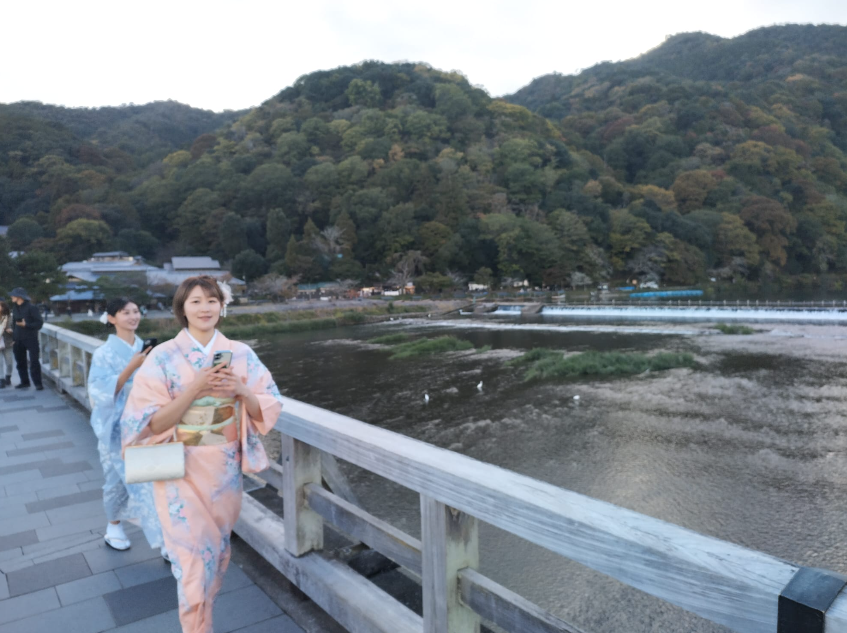
The kimono is Japan’s most iconic dress, featuring a full-body robe of sorts made with special silk material and wrapped around the waist with a ribbon or band. They are offered in both men’s and women’s designs and are available in all different sizes from small children to grown adults and elderly folk.
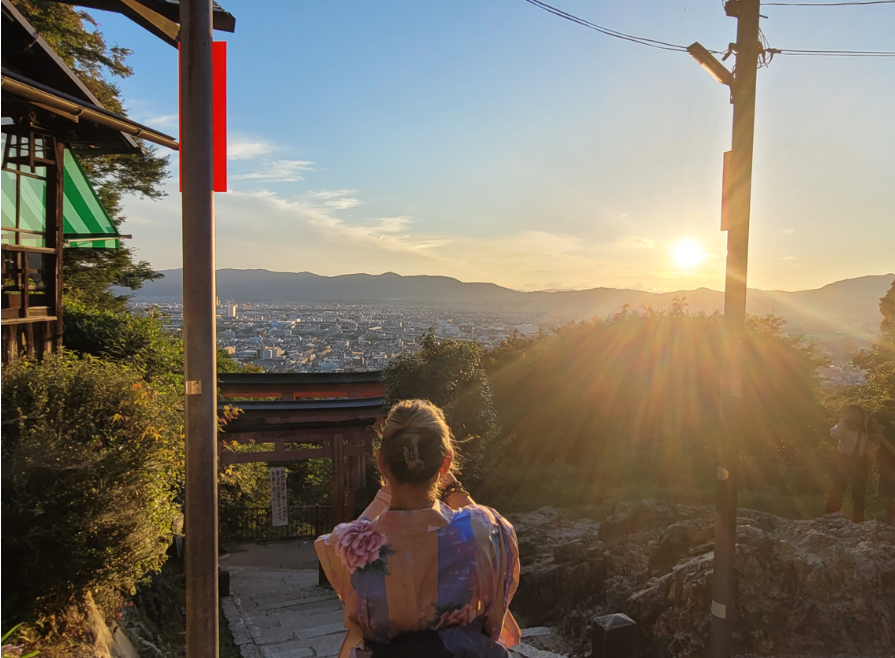
In ancient times, the kimono and yukata (a lighter kimono built for hotter seasons) were worn as regular clothing in Japan. It wasn’t until the Meiji Restoration of 1868 that the kimono started to die out as a regular clothing choice due to the influence of the more practical Western clothing. Indeed, beautiful as it looks, if you’ve ever worn one, you’d know the lengthy time and effort it takes to put on and take off, not to mention the wooden sandals, which can be challenging to walk in.
Now the question is, when and where are kimonos worn in Japan today?
Traditional Kimonos
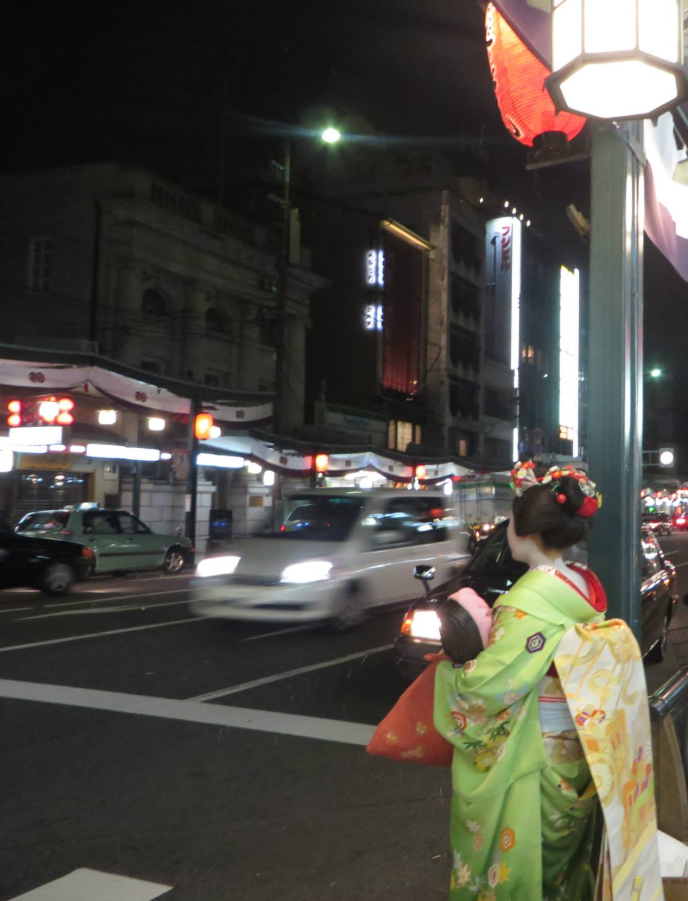
Well, traditional Japanese kimonos still exist today and for some people it is still worn regularly, but perhaps not as “regular clothing” per se.
Kyoto, the ancient capital of Japan, is where you’re most likely to see the kimono being worn. After living in Kyoto for around three years, here’s what I’ve noticed:
Where the Japanese are concerned, the traditional kimono is worn primarily by ryokan workers, owners of traditional Japanese merchandise stores, and, of course, the infamous geishas.
Modern Kimonos
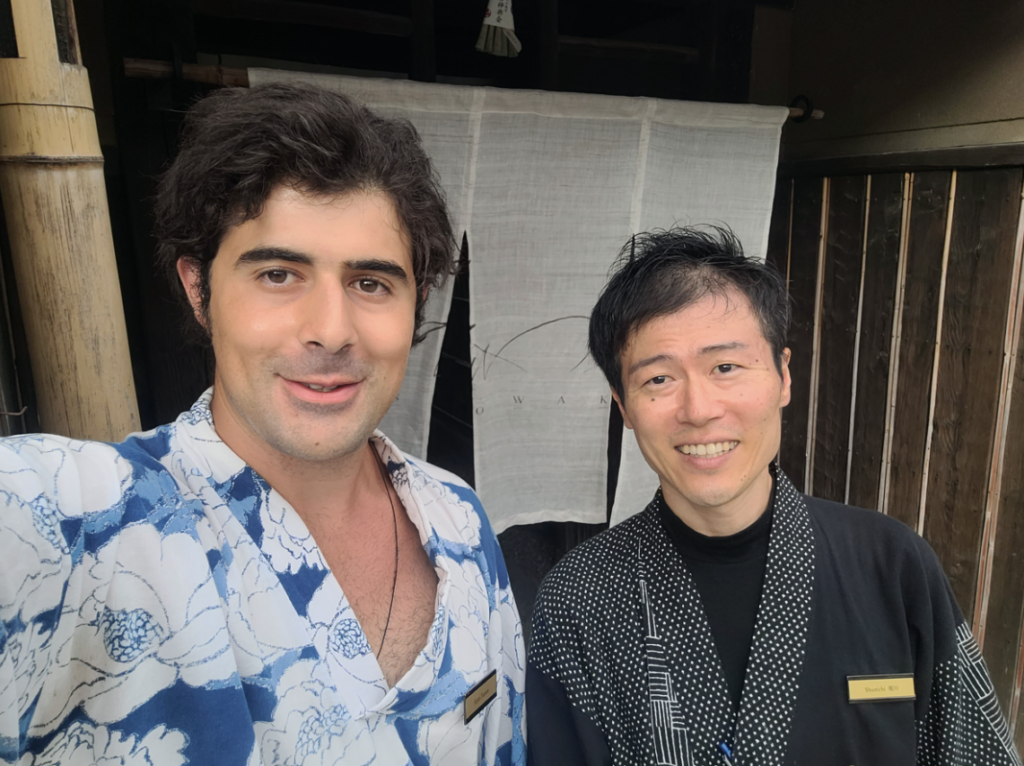
As a foreigner who worked in a Kyoto ryokan-style hotel myself, I was made to wear what I can only describe as a modern day kimono. Unlike traditional kimono, it consisted of a slip-on shirt that had the design aesthetic of a kimono but differed in functionality. The bottom part of the uniform was simply your typical black suit pants as you’d see in an office environment.
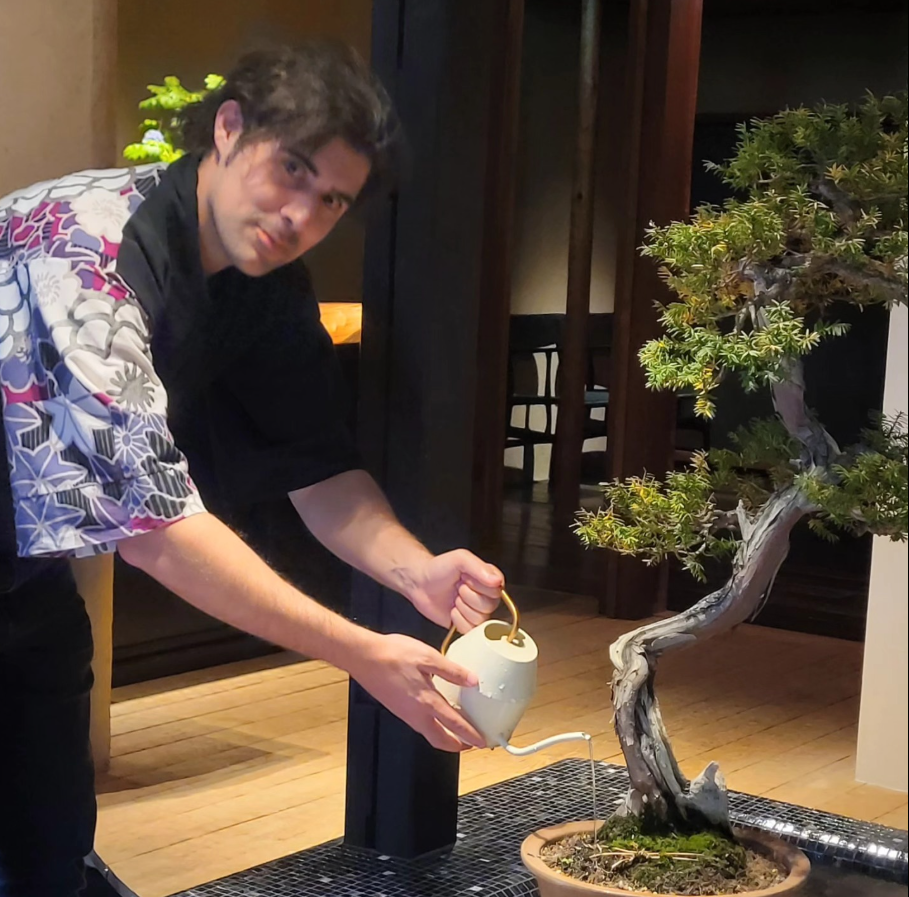
Personally, I found it to be quite a clever look that harmoniously combined traditional Japanese attire with modern-day practicality. For those who preferred, we also had the option of wearing a traditional kimono, though we’d have to provide it ourselves. The company’s guest experience ambassador was one of those who wore the traditional kimono at our hotel, and as his job entailed taking guests on walking tours around Kyoto, it was a nice touch of authentic Japan that enriched the experience for the guests.
The Rise of Kimono Rentals
Thus, it is evident that as far as wearing the kimono on a regular, day-to-day basis goes, Japanese people still do it if their jobs necessitate it.
However, the kimono is still very much prevalent in cultural districts such as Kyoto’s Gion or Tokyo’s Asakusa.
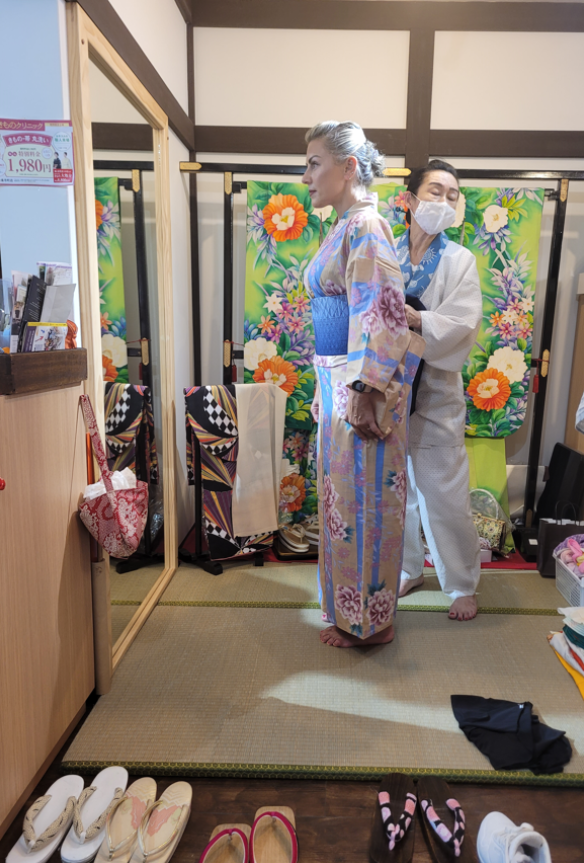
The rise of kimono rental places has made it possible to rent a kimono on occasion, and this concept has been popularized not only by foreign tourists but also by local Japanese folk.
When there is a special festival such as Gion Matsuri, Obon, or New Year’s Day, the kimono is the dress of choice to celebrate the occasion with loved ones.
Ryokan Guest Experience
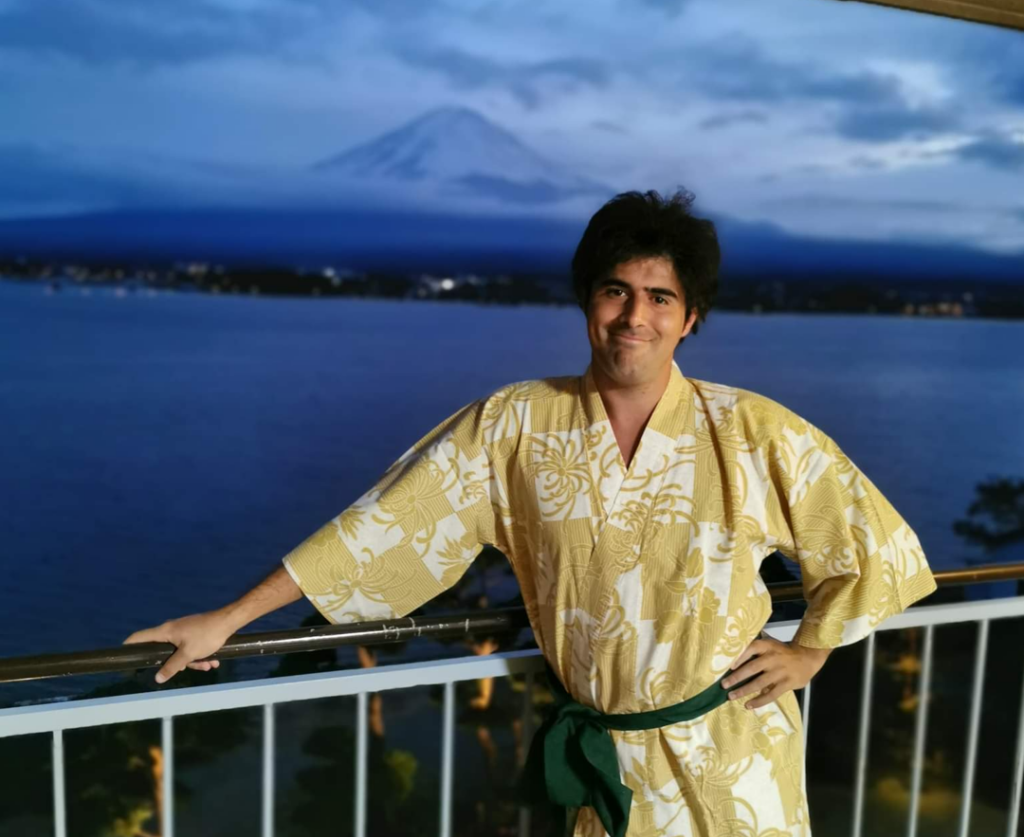
In addition to rental stores, foreigners and locals would wear the yukata as an optional dress for ryokan stays. The lightweight design of yukatas offers more comfort than a full-fledged kimono, making it comfortable and relaxing to wear. I’ll always remember the beautiful yukata I was given during my stay at this Mt. Fuji ryokan, both for its aesthetic and comfort.
Fortunately, the kimono is still very much alive in Japan, and it’s perhaps become even more versatile in terms of the variety of styles and hybrid designs now on offer. Japan is a nation that holds tight to traditions, no matter how much global influence makes its way in, and kimonos and yukatas are living proof of their cultural preservation.
To learn more about life in Japan, check out my book: The Japanese Pursuit of Perfection. This book features my most profound observations of Japanese culture and society as a foreign resident. Available in e-book, paperback, and hardcover. Grab your copy today!