
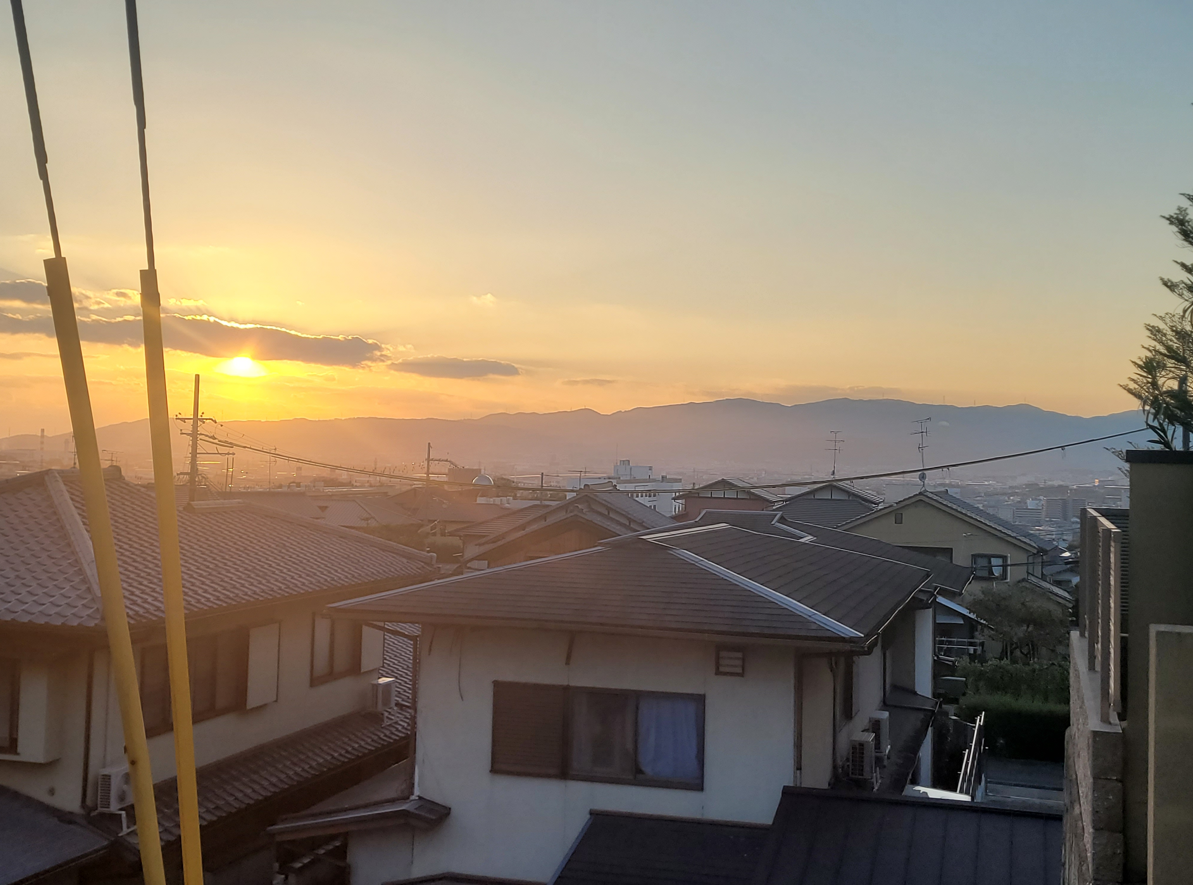
“Is Japan expensive?” is a popular FAQ circulating the net, but what it really comes down to is your budget, travel goals, and visa situation.
Budget vs. Luxury Holidays
Depending on whether you’re striving for a budget holiday or a luxury holiday, your perception of how expensive Japan is will change drastically.
Accommodation can range from as cheap as 1,500 yen (9.50 USD) a night to as expensive as 400,000 yen (2,555 USD) a night and beyond!
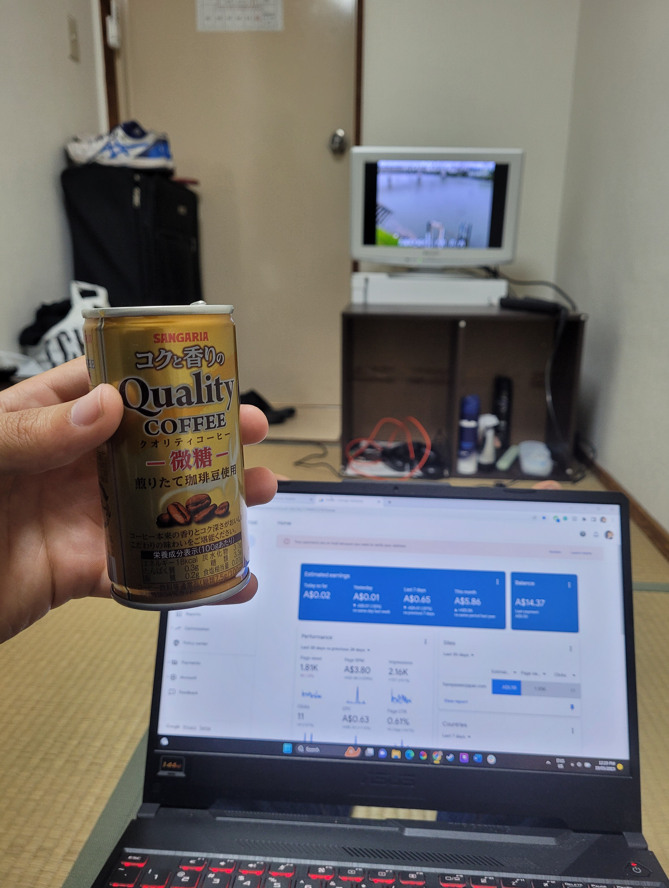
As a solo traveler in my 20s, one of the best budget stays I had in Japan was at Hotel Beaver in Osaka’s Nishinari ward, paying just 50,000 yen (320 USD) for a one-man room for an entire month’s stay!
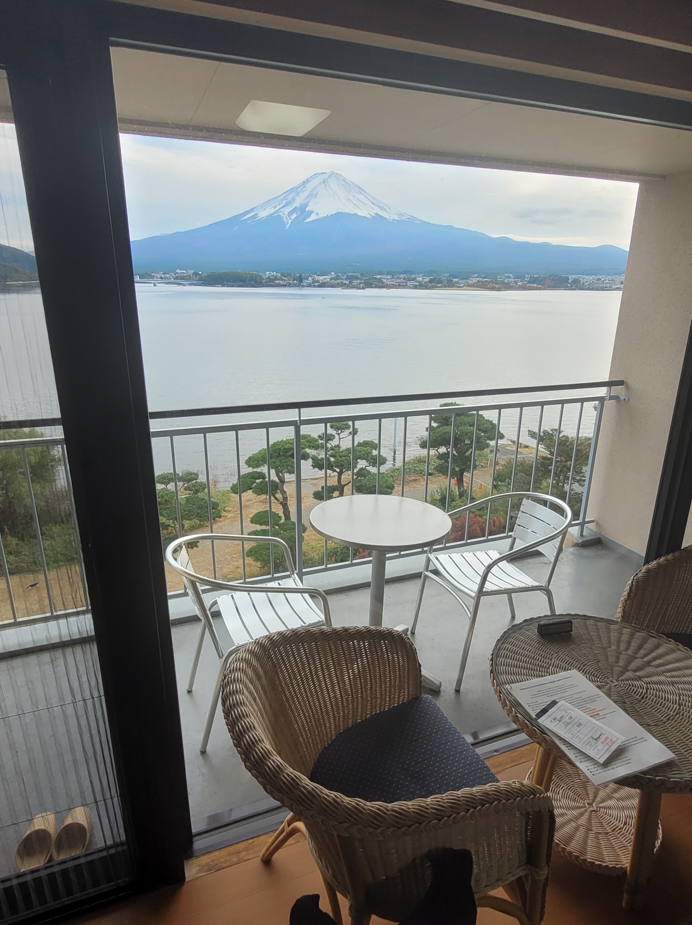
That being said, an entire month’s accommodation in Nishinari is about the minimum requirement for a luxury ryokan stay with a Mt. Fuji view.
Shuhoukaku Kougetsu is a luxurious ryokan hotel with beautiful tatami mats, traditional set dinner and breakfast courses, and stunning views of Mt. Fuji and Lake Kawaguchi.
For the pinnacle of Japan’s most luxurious hotels, you can try Kyoto’s SOWAKA – a Forbes Travel Guide Star Rated Hotel which provides a hybrid modern-traditional aesthetic that captures the highest echelons of Japan’s hospitality industry.
Day-to-Day Living Expenses
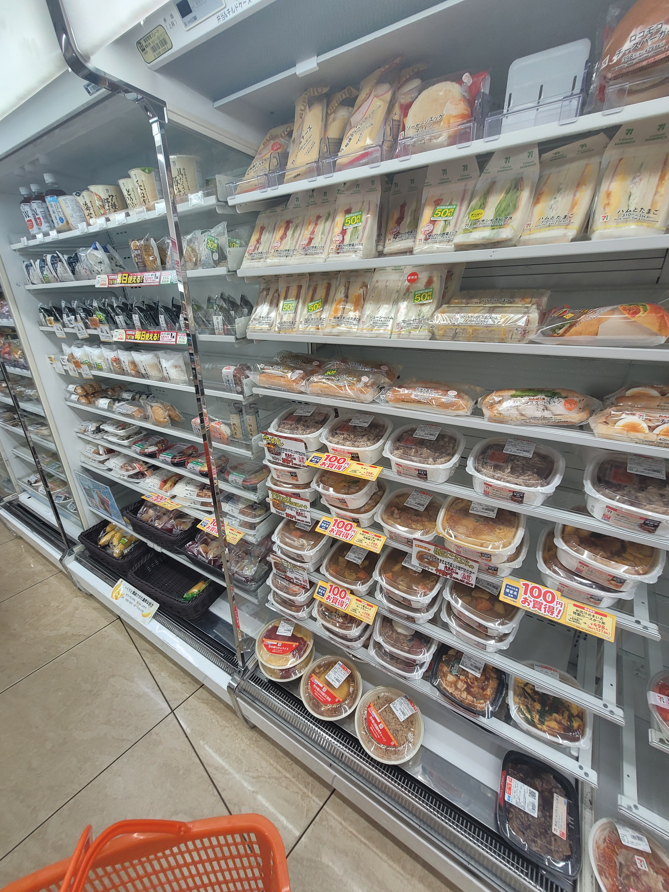
If you were to live like a local in Japan, you’d find your day-to-day living expenses exceptionally cheap, even when you factor in the gradual effects of inflation in Japan.
What typically costs about $15 AUD in Australia can be found for a quarter of the price at 500 yen (5 AUD).
An example that always comes to mind is how a 500g chicken breast costs about $12 AUD at my local grocer in Sydney, yet only 400 yen (4 AUD) at the Kinsho Supermarket in Kyoto, making it 3x more affordable in Japan.
This phenomenon can be felt for a variety of goods, including convenience store sandwiches, drinks, and lunch packs, with the price ratio being about 1:3 in Japan’s favor compared to Australia.
Even restaurant dining can be an exceptionally affordable option in Japan, particularly when compared to the West.
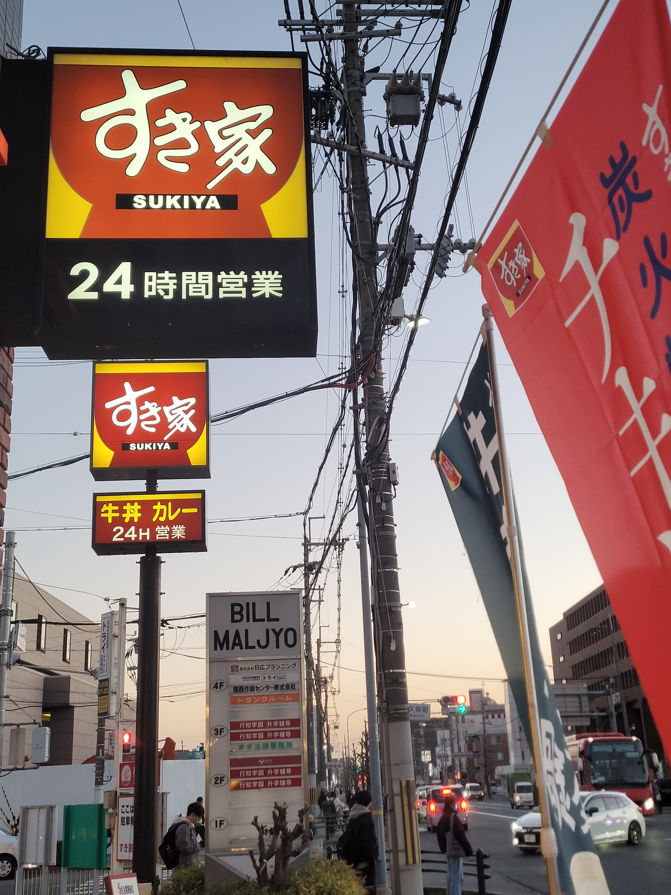
24-hour rice bowl restaurants such as Sukiya offer delicious beef and rice meals for just 500 yen (3.20 USD).
At the same time, more luxurious beef bowl restaurants can cost as high as 5,000 yen (32.50 USD), typically targeted to foreign tourists looking for the premium experience.
Essentially, Japanese cuisine can range from local 100 yen (0.65 USD) dish sushi restaurants to the pinnacle of gourmet with Michelin Star sushi chefs charging as high as 350,000 yen (2,238 USD) for a premium dinner course.
Transportation
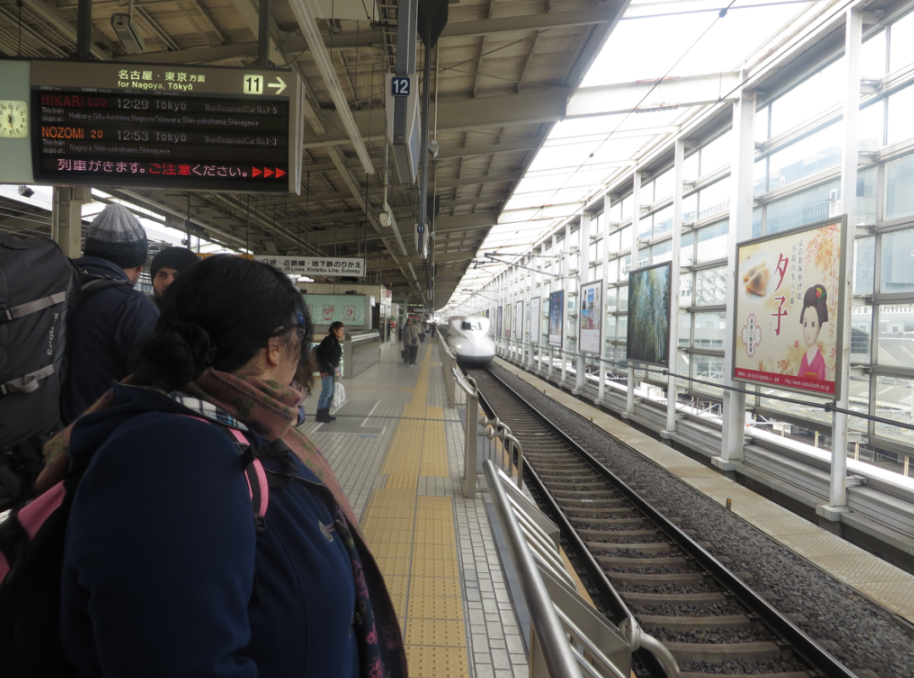
Transportation is fairly affordable in Japan, though it’s nothing special in terms of price. Local trains typically cost between 150–400 yen, depending on the length of the trip and the particular stop at which you disembark. Shinkansen or bullet trains can cost as much as a domestic flight due to the cross-prefectural distances they cover (e.g., Osaka to Tokyo) and the sheer convenience of the service.
Taxis are rather pricey in Japan and at times even more expensive because of the many luxurious taxis on offer (again, targeted to wealthy foreign tourists). Personally, the best value for money transportation option I found in Japan was the overnight bus from Osaka to Tokyo – a 6-hour trip which can cost as little as 3,000 yen (20 USD) and typically no more than 10,000 yen (64 USD).
Real Estate
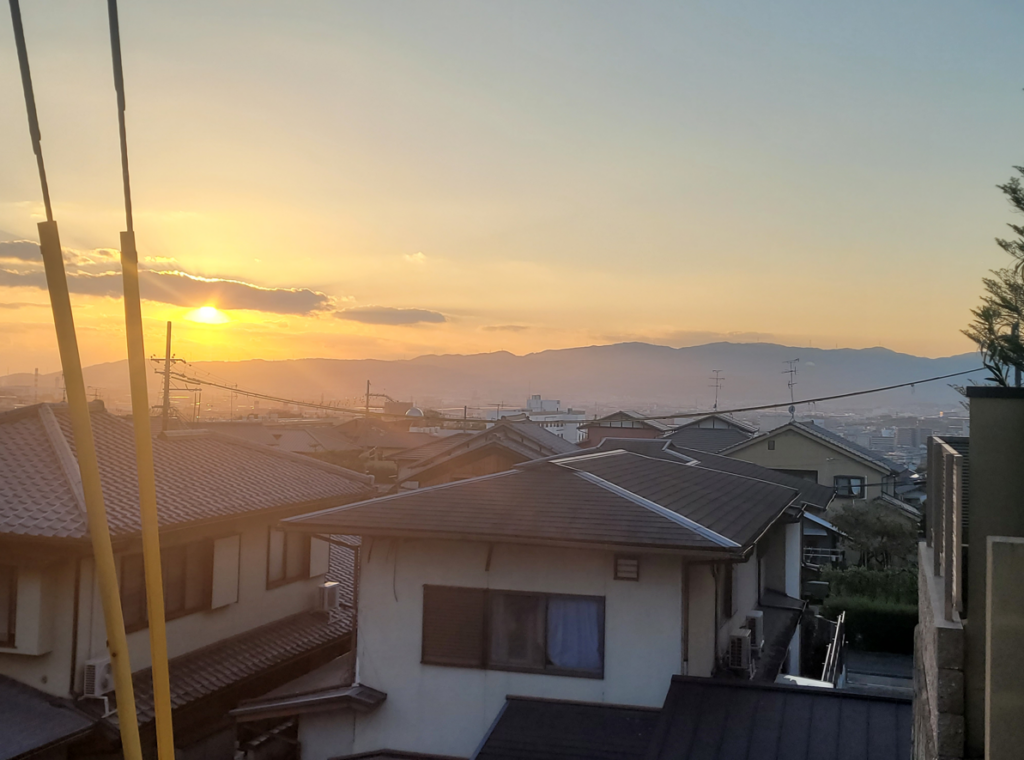
Real estate is a whole other animal in Japan compared to the West, and I mean that in a good way! You can rent out one-bedroom apartments for as little as 50,000 yen (320 USD) per month (this is typically the weekly rental amount in Sydney). Furthermore, you could buy an old house in Japan for the price of a deposit in the West, prices ranging quite literally from 0 yen for old abandoned houses that will, of course, need a ton of renovation, to perfectly livable properties around 6,000,000 yen (3,800 USD).
When you live in Japan on a long-term visa, you become eligible for government benefits such as sustenance payments and free medical checkups. Depending on where you work, you will likely have company benefits such as paid leave, free work lunches, and even tips from customers (though the Japanese typically reject tipping culture, but you can still accept them when offered, especially if the customer insists!).
So, is Japan Expensive?
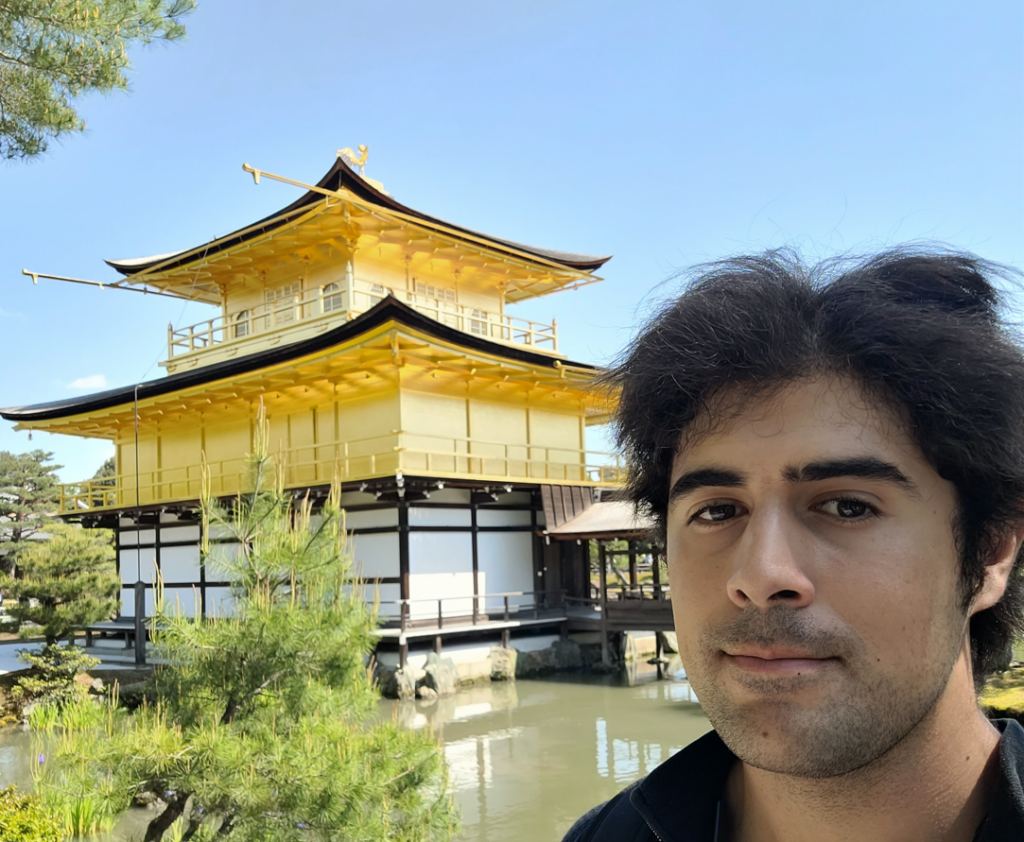
All in all, my verdict is no, Japan is not expensive. However, what constitutes expensive can be a subjective matter, and Japan is definitely a place that attracts both the budget seeker looking for a bargain and the wealthy millionaire looking to splurge. Perhaps the beauty of Japan is that there is something for everyone, making it one of the most beloved travel destinations in the world!
To learn more about life in Japan, check out my book: The Japanese Pursuit of Perfection. This book features my most profound observations of Japanese culture and society as a foreign resident. Available in e-book, paperback, and hardcover. Grab your copy today!