

The obvious answer is yes, after all, Japan has one of the lowest crime rates in the world, but what does it truly mean to be a safe country?
Society & Crime
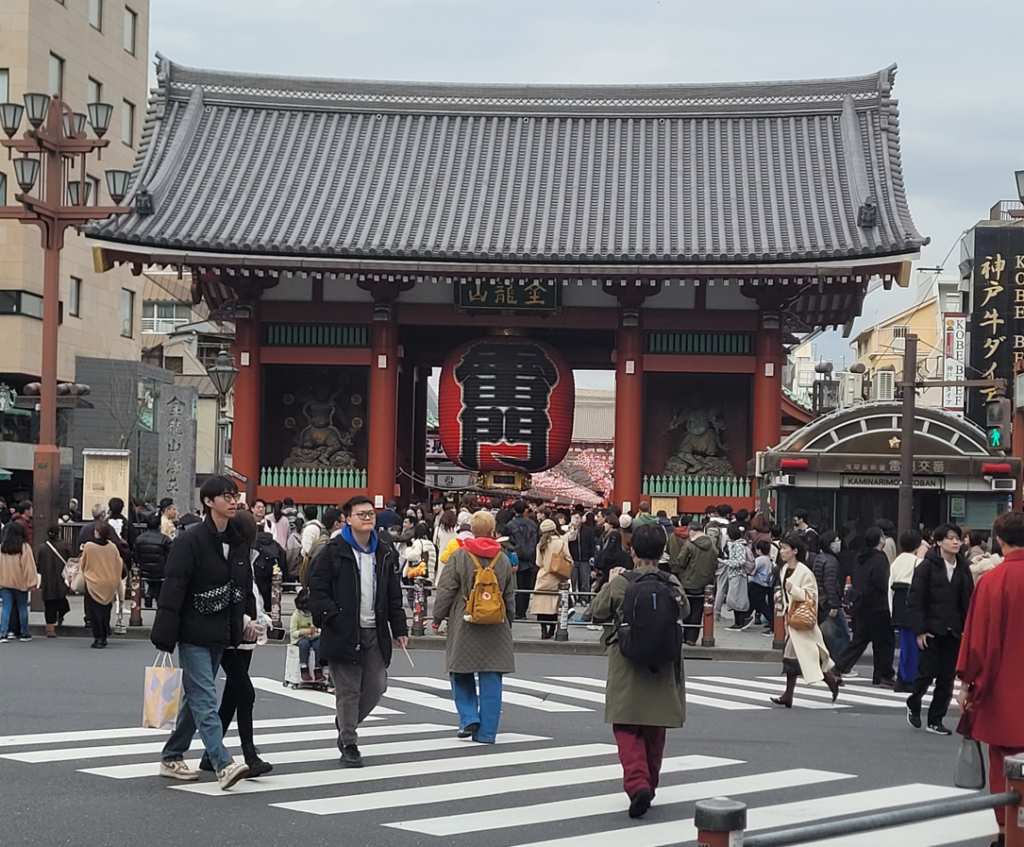
In terms of crime rates, Japan is among the safest countries in the world, boasting a safety index score of 77.1, on par with the likes of Switzerland and Singapore. Unlike the West, gun laws are extremely strict in Japan, and there are typically fewer than two gun crimes that happen every year in the entire country. Physical altercations are also extremely rare, and when they do happen, they’re seldom random assaults but rather an internal dispute between acquainted individuals, likely sparked by alcohol. In any case, as a tourist, Japan is perhaps the safest country in terms of experiencing physical harm by another individual.
By nature, Japanese society is very non-confrontational, and even physical affection is extremely limited. You won’t so much as shake a person’s hand let alone have a physical dispute with somebody. Respect for personal space and mindful consideration are highly valued in Japan, so the most physical contact you’ll experience will probably be on a crowded peak-hour train. Indeed, Japan is the only country I’ve visited where I’ve seen women unafraid to walk alone in small alleyways at night without fear (though I wouldn’t recommend getting into that habit!). It just goes to show the level of trust in the safety of their country among Japanese citizens, particularly when it comes to street crimes.
Natural Disaster Considerations
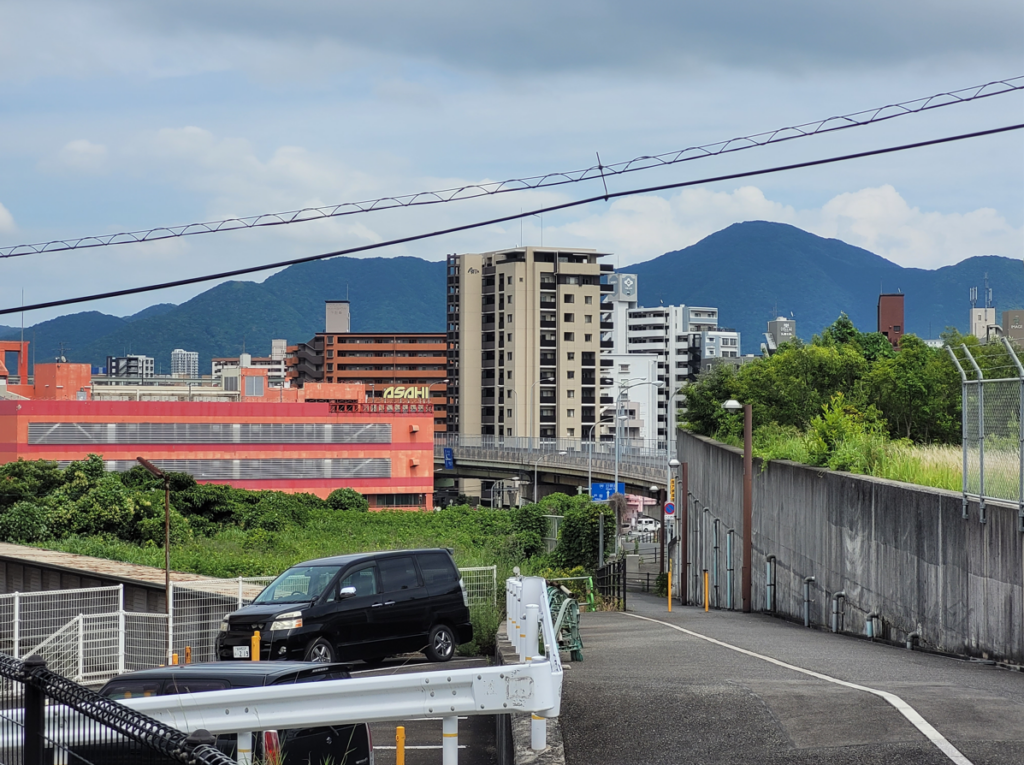
If you consider crime to be the main factor in determining whether a country is safe or not, then Japan holds its place as one of, if not the safest, country on Earth. However, there’s another measuring scale where Japan may be regarded as the most dangerous country on Earth, and that’s when it comes to natural disasters! The stereotype exists for a reason, but Japan experiences more earthquakes and tsunamis than any other country in the world, with over 1,500 earthquakes detected per year, and at least one tsunami per year. The mere fact that the word “tsunami” is of Japanese origin is quite telling (FYI: it translates to “harbour wave”).
One tsunami a year may not seem too bad, but when the vast majority of countries don’t ever experience tsunamis, then it’s a stat to consider. In addition, Japan is also the country with the second-most volcanic eruptions per year, with about 40 annually, second only to Indonesia with 55 yearly eruptions. Depending on where you are located in Japan, a volcanic eruption could prove quite dangerous, particularly with the fumes that could cause internal damage to your body. In extreme cases, you will need to be evacuated from the area as it becomes temporarily unhabitable.
Of course, the most likely natural disaster you could experience in Japan is earthquakes, but on the positive side, most structures in Japan are made to withstand most earthquakes, so you really only need to worry about the severe ones. It could be useful to read up on earthquake safety protocol, i.e., learning about safety positions and what to do to maximize your safety when caught up in an earthquake.
Wildlife
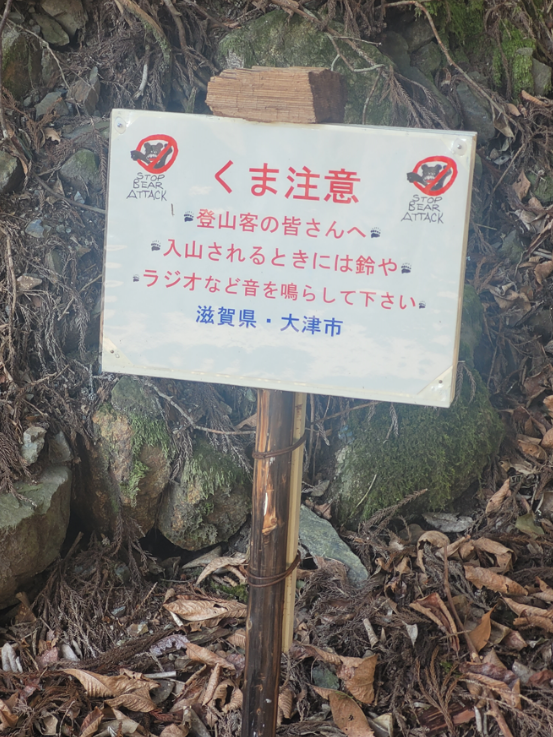
Japan’s wildlife is quite unique, and being such a small island nation, all cities are relatively close to the natural world of forests and mountains. As such, there are typically more sightings of potentially dangerous animals such as black bears and boars. Of course, such phenomena are only a real concern when you go out hiking in the woods. While I’ve been fortunate enough to never have encountered a wild bear, I certainly noticed the many signs on hikes in Kyoto such as Hieizan where warnings and advisory signs for wild black bears are posted.
My scariest experience with the Japanese wildlife came when I hiked up Fushimi Inari-Taisha one night alone and caught a glimpse of a wild black boar sprinting through the bushes alongside the vermilion torii gates. Boars are not as life-threatening as bears, but if attacked by one, you could end up with a serious injury, so it’s important to take care. Wearing belts with ringing bells attached is a common solution to scaring off dangerous animals like bears and boars in Japan, and it’s also beneficial to walk in groups to create a stronger presence that wards off potential animal attacks.
Other Safety Concerns
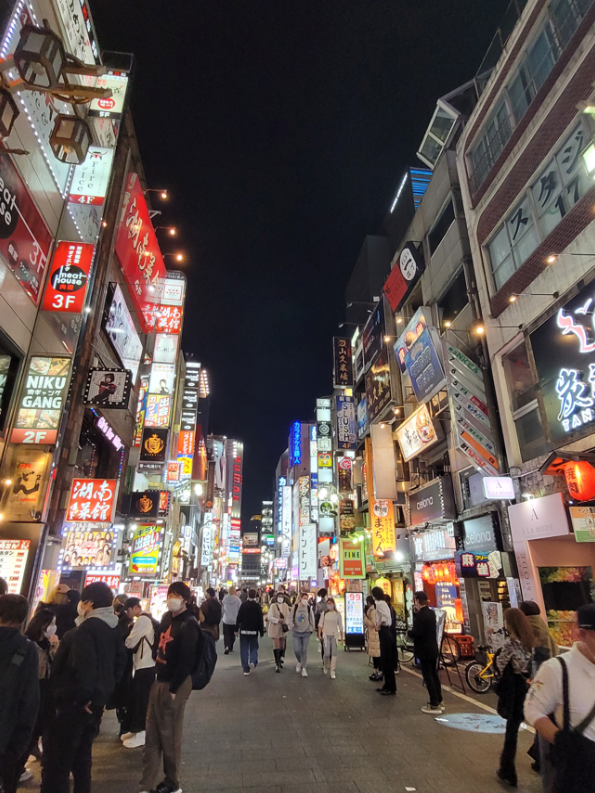
While it may not be an issue of life and death, Japan’s nightlife environments may pose threats to your health and financial well-being. In particular, the “tout” culture of Japanese nightlife in popular entertainment districts like Kabukicho features hecklers who try to coerce you into visiting their shady, often semi-legal business practices. Since prostitution is technically illegal in Japan, many businesses masquerade as “hostess clubs” where you pay to have a drink with a girl (or guy), but it turns out to be a very expensive drink that comes with sexual services.
There is certainly a market for these types of businesses, but many also get caught out thinking they are going to a special cafe, only to find themselves being scammed for an expensive drink. Worst, still, there have been instances of tourists having their drinks spiked and essentially robbed of their credit card savings while they’re put to sleep. Such matters are difficult to contest in court, as the hosts simply say, “You were too drunk to remember you authorized all these payments.”
All in all, simply avoid engaging with touts when you walk through entertainment districts in Japan, and you’ll be good! Of course, if you’re rich and don’t mind being taken advantage of financially, then do as you please. The good news is this issue is typically not an endangerment to your life, though the overdosing of alcohol and the overspending of your credit card can have serious implications if you’re not careful in such circumstances.
So, is Japan a Safe Country to Visit?
All things considered, Japan still remains one of the safest countries in the world to visit. Your safety is threatened more by nature and wildlife than human beings, and as such, your safety precautions and procedures require a totally different approach. Being mindful of earthquake safety practices, carrying bells or bear spray when hiking in the mountains, and staying away from shady business people in entertainment districts can all help maximize your safety when you visit Japan.
To learn more about life in Japan, check out my book: The Japanese Pursuit of Perfection. This book features my most profound observations of Japanese culture and society as a foreign resident. Available in e-book, paperback, and hardcover. Grab your copy today!