
People who come to Japan for the first time often think Kyoto stands out from the rest, but what specifically does this aesthetic entail?
Traditional Japanese Architecture
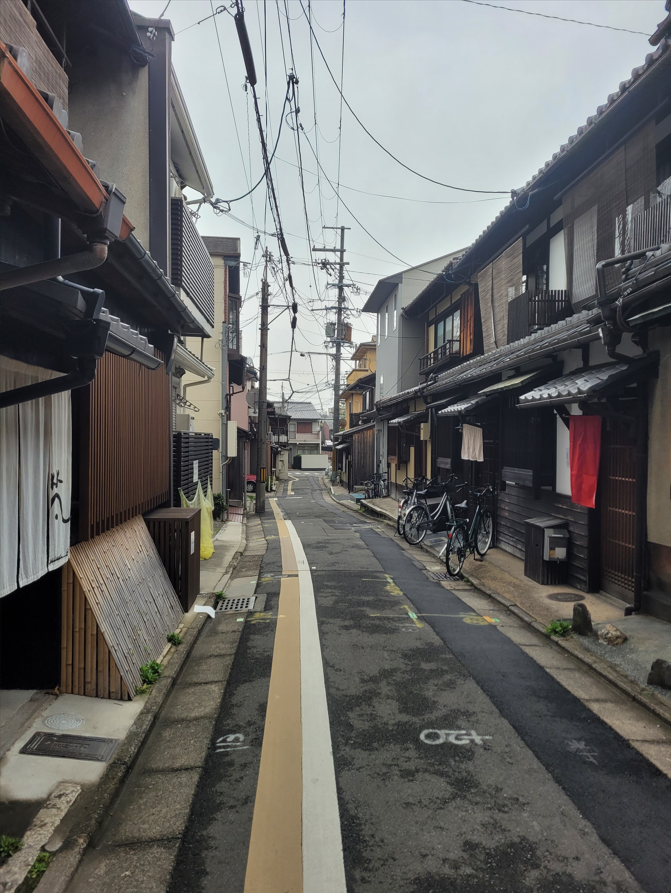
One of the biggest aspects of Kyoto’s unique aesthetic that separates it from the rest of Japan’s prefectures is its traditional style of architecture. While most Japanese homes have a rather quaint look that can be likened to a cabin or cubby house, the homes in Kyoto still stand out for their use of wooden materials and old-school roofing design. The vibe is very much like the ancient times of Edo Japan, when structures were typically built with the type of curved corners that you’d see on Japanese castles and temples.
The Temple Capital
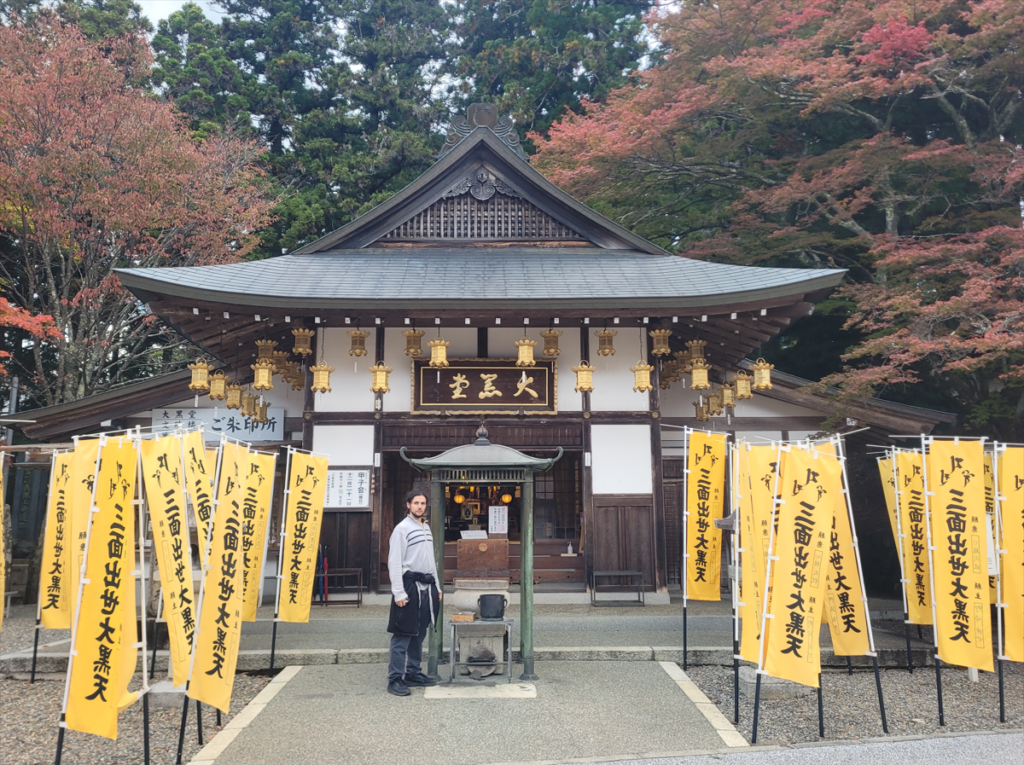
Speaking of temples, Kyoto hosts a whopping 1,600 + temples and 400 + shrines across the prefecture. As the ancient capital of Japan, it has preserved its cultural heritage and maintained its position as the home of religious and spiritual learning in the country. As you would expect, these temples, while refined and renovated for the modern era, still maintain their ancient design of curved bamboo roofing and wooden walls and pillars. The mere presence of so many temples already gives Kyoto a unique look and atmosphere, particularly considering the increased level of respect and good behavior required to walk in and out of these religious sites.
The Absence of Skyscrapers
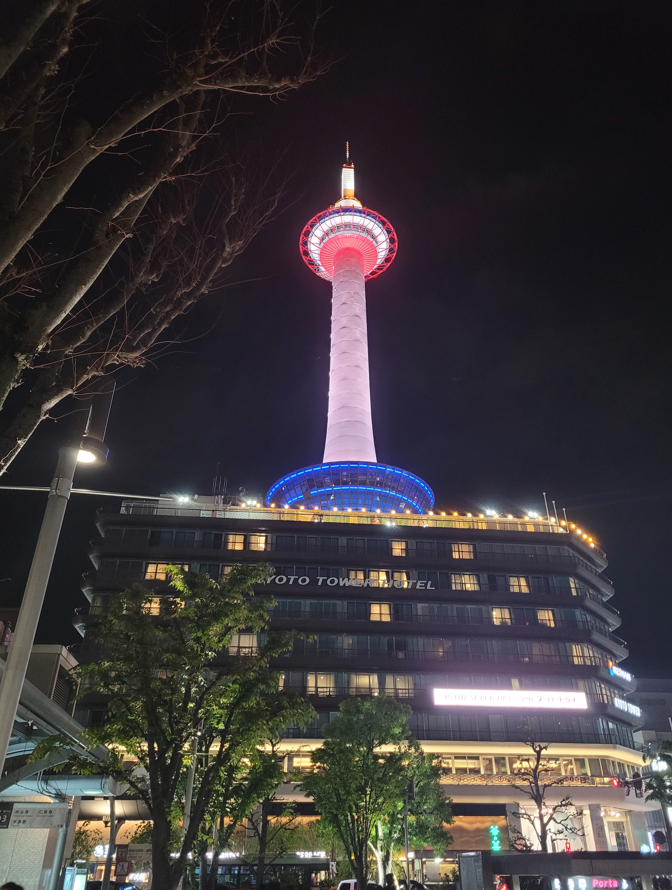
The image you see before you is the famous Kyoto Tower, but did you know this is the tallest structure in all of Kyoto? That’s right, in fact, Kyoto is devoid of all skyscraper buildings, even in the most modern metropolis district of the prefecture. Buildings and shopping malls exist, but are generally quite small in height and the overall space they take up. You certainly won’t see any high-rise office buildings in Kyoto, as the architectural aesthetic is all about traditional wooden homes and temple-like designs. The architectural uniqueness is, to me, the most prominent standout feature of Kyoto, though you could delve into this topic more to include the higher prevalence of traditional attire and perhaps a higher standard of politeness and traditional Japanese mannerisms than the more free-flowing “hip” cities like Osaka.