
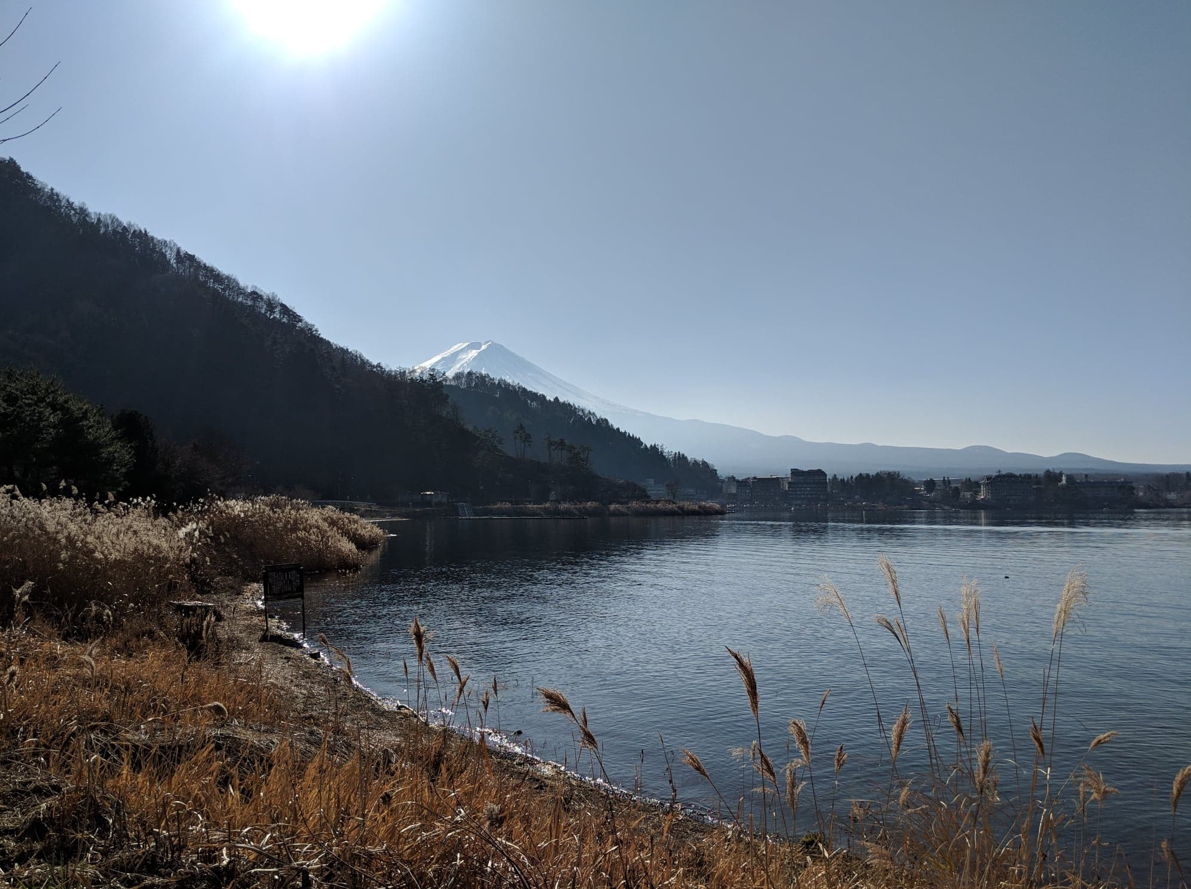
The natural scenery of Japan’s rivers, lakes, and mountains carry a certain aesthetic associated with calmness, but is it a placebo effect?
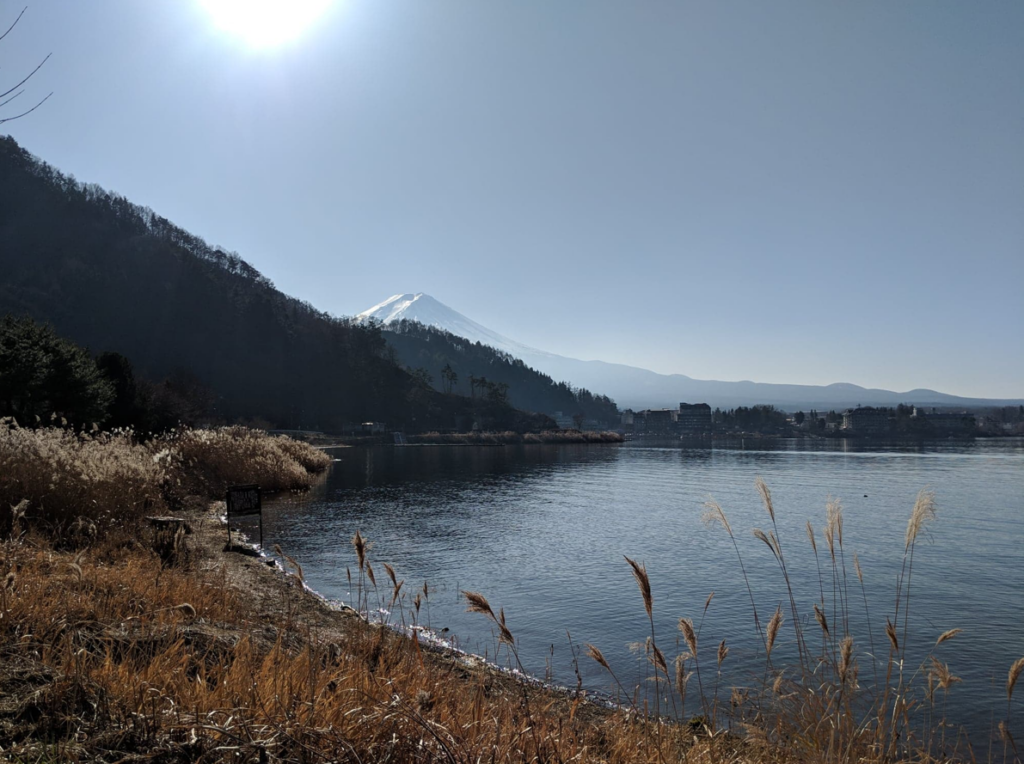
A common association we often make with Japan’s natural aesthetic is that it’s “tranquil,” “calm,” and “peaceful.” True as this may be, the question is why we don’t make such remarks regarding similar scenery in places outside of Japan? We can all appreciate a beautiful mountain and lake view, but I see the association of zen-like tranquility applied specifically to Japanese scenery more than anything else, and I believe there is an explanation for this.
The Placebo Effect Of A “Calm Japan”
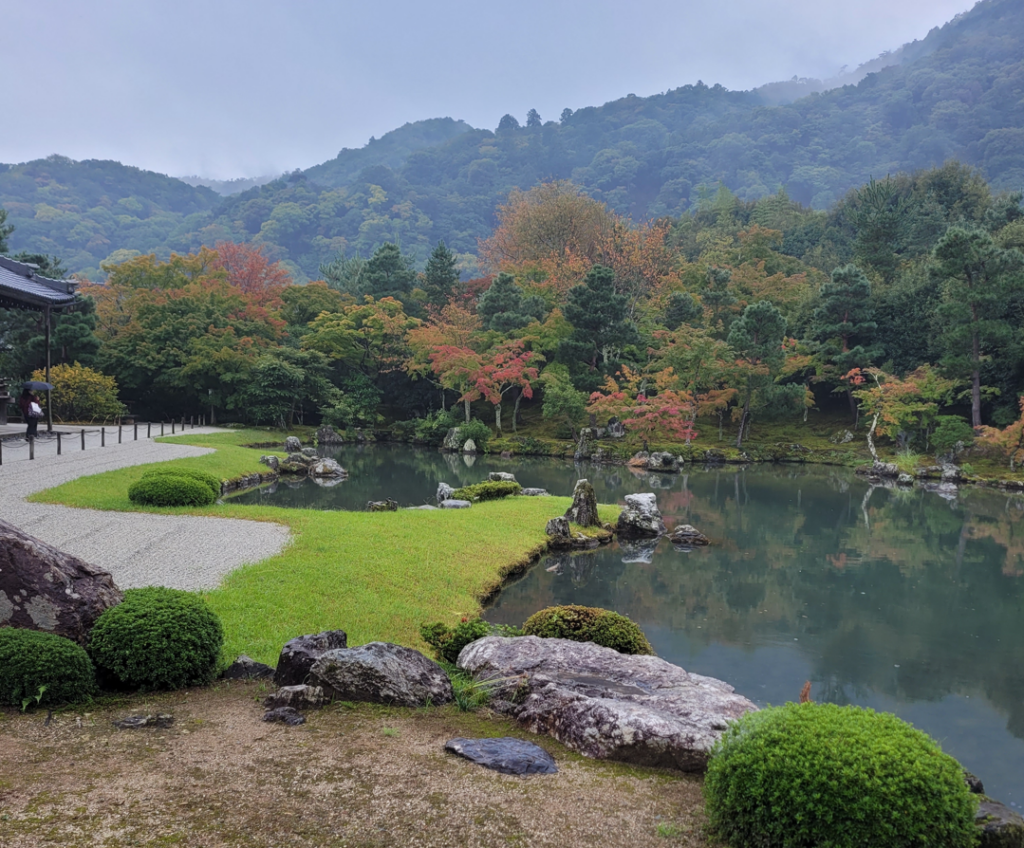
There’s no doubt, the people are the backbone of Japan’s reputation as a calm and quiet nation. Cultural norms and traditions insist on mindfulness, harmony, and basically not causing a ruckus everywhere you go. Of course, we can link this back to religious and spiritual teachings of Shintoism and Buddhism, the largest religions in Japan, where detachment and mindfulness are core tenets of the practice.
Now, Japan is clearly a beautiful country in regard to nature, from its mountain ranges to flowing rivers and seasonal cherry blossom trees. However, when you consider countries like Kazakhstan, China, and Korea, all of which have a similar mountainous landscape with jaw-dropping lakes and rivers too, it seems that, in comparison to the aforementioned countries, only Japan gets the descriptions of “calmness” and “tranquility.”
Cultural Associations
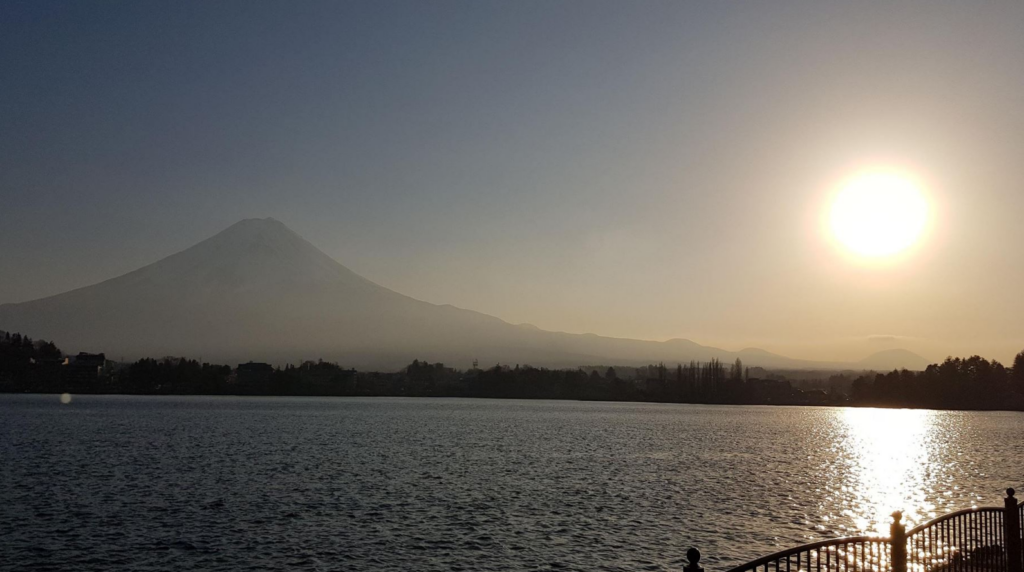
Indeed, I believe there is a correlation between Japanese culture, which could objectively be said is a quiet and mindful (though often restrained to an unhealthy degree) culture compared to its neighbors, and the natural elements of Japan’s scenic beauty. It’s this association with the land and the people that causes us to describe a lake in Japan as “tranquil,” while a similar lake in the United States is more likely to be called “beautiful” or “amazing.”
Of course, in the case of the USA, it doesn’t help that the culture is often associated with elements of extraversion, freedom, speaking up, and, unfortunately, gun violence. In the same way that we associate concepts of zen-like calmness with a Japanese river, we also (quite wrongly) disassociate such descriptions when it comes to an American river, instead using words like “vast” or “incredible.”
I believe we have created biases about Mother Nature all over the world which are simply inaccurate and, while not totally wrong, are often not totally correct via omission. Nature is equally beautiful all over the world, and there’s no reason a lake in Australia couldn’t be described as tranquil the same way we would Lake Kawaguchi. It is a two-sided issue where culture is causing us to make associations between man-made civilization and the natural world, taking our feelings that a country has given us based on its people and imposing that on its natural scenery, thus altering the purity and authenticity that the description deserves.
To learn more about life in Japan, check out my book: The Japanese Pursuit of Perfection. This book features my most profound observations of Japanese culture and society as a foreign resident. Available in e-book, paperback, and hardcover. Grab your copy today!