
Living in Japan for over 3 years has led me to some very peculiar observations about Japanese culture and society.

Japan is undoubtedly a unique country with a culture that stands out as different yet strangely appealing to the world. Having lived here for over 3 years, I noticed some rather peculiar things about Japanese society that go beyond the well-known bowing phenomenon and polite customer service. As a tourist visiting Japan, you likely would have experienced some of these to a certain extent, but living and working in Japan for an extended time certainly reveals layers about its society that are unseen by the common visitor.
Observation #1 – Pin-drop Silence
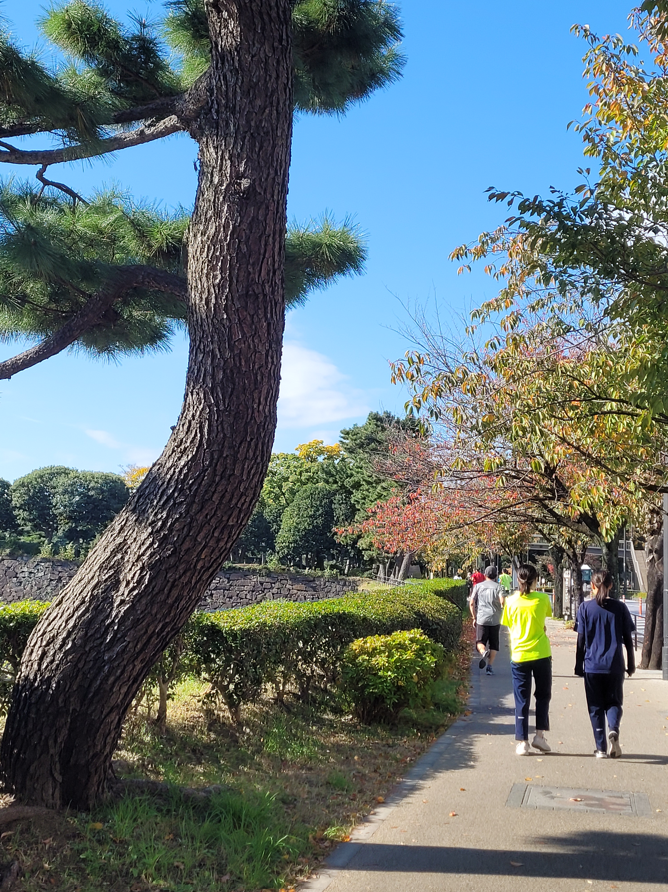
Even as a tourist, you would have experienced the pin-drop silence in various public spaces in Japan, particularly on public transport such as trains and buses. What’s truly impressive is how a crowded train carriage can be so dead silent, a combined outcome of the “no talking on the phone” rule as well as the unspoken rule of generally keeping a low speaking volume and making efforts to not inconvenience others. With the exception of popular tourist areas, the general vibe on the streets is a peaceful silence that keeps you feeling calm and relaxed.
Observation #2 – Absence of Scents
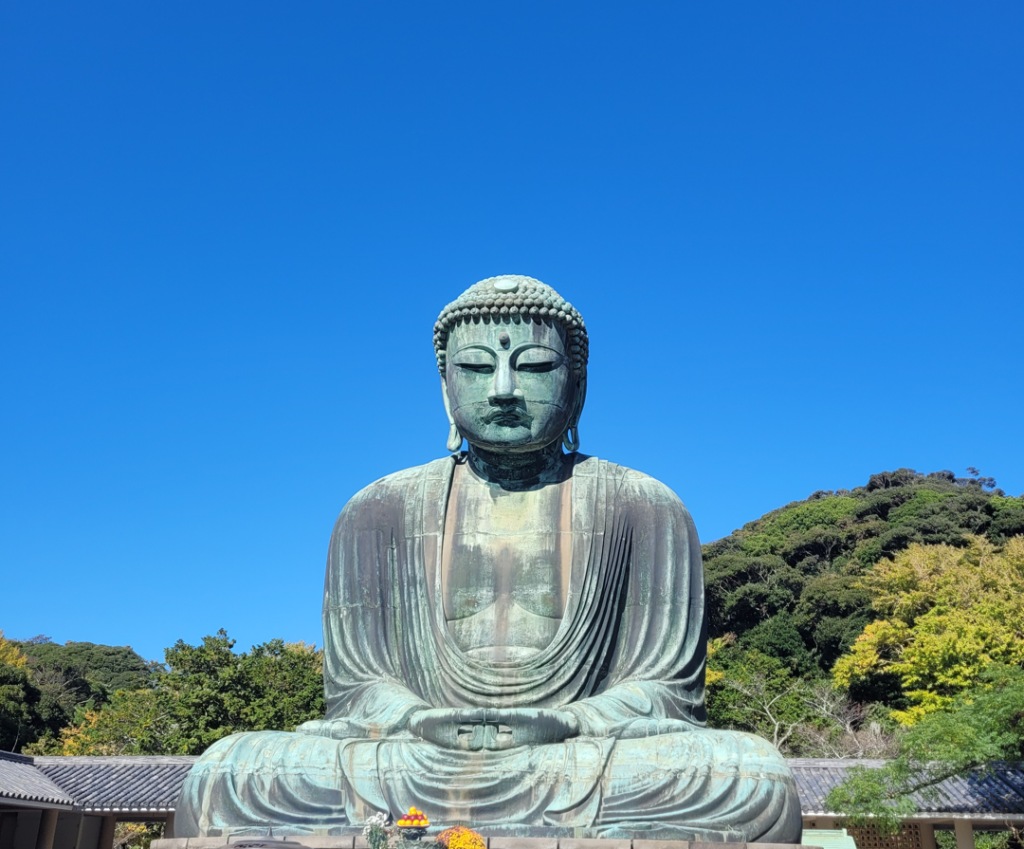
A commonly known aspect of Japanese society is the unspoken rule of not walking while eating or drinking. I would expand on that to say there is a general disdain for strong scents in Japan, whether it’s good or bad, and that is one of the bases for the no walking while eating rule. Strong perfumes and deodorants are viewed almost in the same light as strong food smells or even foul odors. Before living in Japan for as long as I did, I found the smell of perfume to be quite pleasant. However, as your senses grow accustomed to the natural scents of nature and fresh air, the smell of chemical- based body sprays starts to irritate you.
There is also an absence of body odor among the Japanese, and of course, this is also a reason for the scarcity of deodorants and perfumes in the country. Interestingly, there is an explanation for this lack of body odor, and that is a genetic mutation resulting in the non-functioning of the “ABCC11” gene, which is responsible for secreting fatty compounds and producing armpit odor. In fact, this is a common mutation affecting 80-95% of all East Asians, so you’ll likely make a similar observation if you were to visit China or Korea. In any case, it seems the absence of body odor has resulted in an increased sensitivity to strong smells among the Japanese, leading to more bland cuisine flavors, mindful eating habits while in public, and of course, an absence and dislike of body sprays e.g., perfume, deodorant, etc.
Observation #3 – “Kawaii” Culture
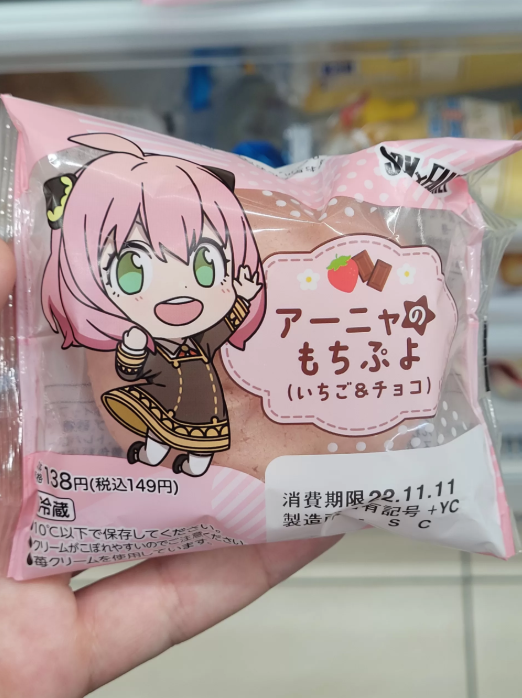
“Kawaii” is a Japanese word meaning “cute,” and it would be an understatement to say it’s had a profound effect on Japanese society and culture. Bright colors, big-headed anime characters, and childlike font styles are a few of the many components that contribute to Japan’s “kawaii culture.” You’ll see elements of kawaii everywhere you go, from convenience store packaging to public rules and signs, and even the behaviors of customer service representatives. Bearing witness to the endless phenomenon of kawaii while living here for the better part of 3 years has led me to a few conclusions, a major one being the harmonization of society.
There’s no doubt that as adults, we experience a calming effect when in the presence of young children, as feelings of nostalgia, warmth, and softness overcome us, as well as a desire to protect the weak and precious. My personal belief is that kawaii culture contributes to social harmony by softening the hearts of the people and reminding us of life’s inherent playfulness while promoting a sense of innocence. It may seem like a deep take on a rather trivial matter, but when mindfulness and harmony are at the forefront of society’s best interests, you can’t rule anything out!
Observation #4 – The Pursuit of Perfection
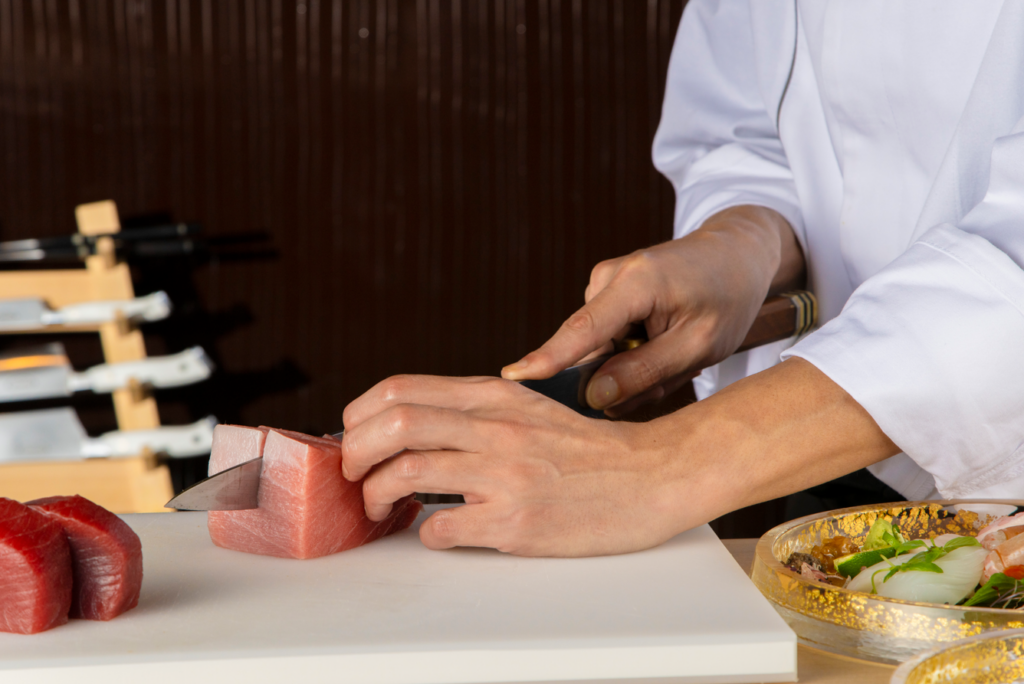
Despite the strong roots in peaceful and harmonious public behavior, the Japanese are certainly not as suppressed a society as one may think. They may not exude the same openness of opinions and emotions as the likes of the Americans, but they often express their creativity and imagination through avenues of conscientious outlets. Something as simple as slicing salmon sashimi becomes a competitive art as chefs are dedicated to the perfecting of their craft. Doing something productive with one’s inner creativity and emotions is perhaps the reason Japan has produced so many concepts and systems within the arts, bringing to life a practice that did not yet exist.
From sumo wrestling to calligraphy, tea ceremonies to video game creation, the Japanese have, in many ways, created their own world where industries arise, and the economy circulates within itself as well as on a global level. The bottom line is the individual dedication to perfection that Japanese people seem to have, making the most of their situation, whether it’s delivering exceptional customer service as a 7-Eleven staff member or coaching the Japanese football team at the FIFA World Cup. I very much admire the way the Japanese have an acceptance of where they are and give maximum effort in their situation rather than wasting time and energy wishing they were some place else.
Observation #5 – Polite Wildlife
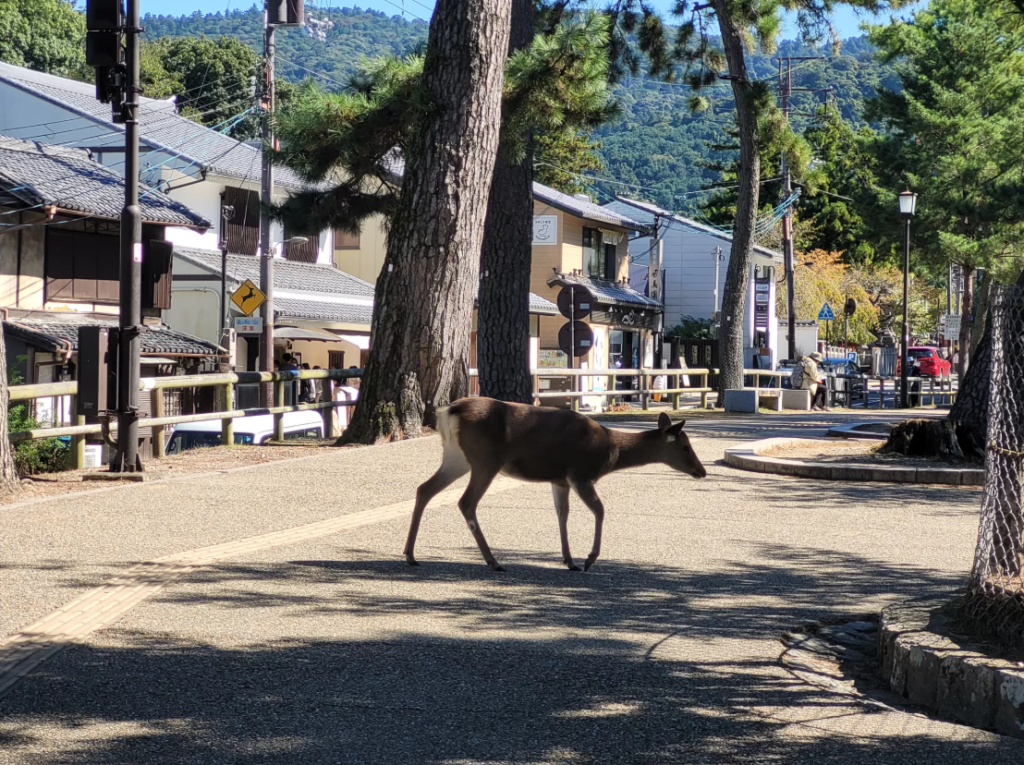
We’ve all heard of the infamous bowing deer of Nara, but if you haven’t, then you’d be astonished to learn that these wild deer have become so accustomed to living among the Japanese that they have inherited many of their etiquette. Expanding on that, however, I realized a most peculiar concept about Japan’s wildlife while living here for as long as I did. As an Australian, I come from a country where flies and mosquitoes get right up in your face and have no respect for your personal space whatsoever. Now, for whatever reason, I never experienced this in Japan, not even during the hottest, most insect-present days of the year.
The insects are definitely there, though, in fact, I remember the first time I walked through a sunflower field in the Kyoto summer and was terrified to see enormous bees and other pests buzzing around me. I thought for sure I’d be stung or at least would need to wave them out of my face, but instead, not a single insect got close to me, let alone make contact with any part of my body! In addition to this, the wildlife in Japan seems to be just as quiet as its people, because I can tell you the sound of kookabaras, cockatoos, and ibis birds in Australia are some of the most loud and irritating noises you’ll hear!
Thus, it may be strange to call the wildlife in Japan “polite,” but I truly don’t know any other way to describe it. Perhaps I’ve been traumatized by the abnormally loud creatures of the Australian outback, but the peaceful nature of the Japanese wildlife has certainly left a mark on me.
To learn more about life in Japan, check out my book: The Japanese Pursuit of Perfection. This book features my most profound observations of Japanese culture and society as a foreign resident. Available in e-book, paperback, and hardcover. Grab your copy today!