
Living in Japan is one of the most unique and memorable experiences you can have as a Westerner, so here are a few things you can expect.

Having lived in Japan for the better part of 3 years, I can say it gave me some of the best and worst days of my life. Adventure is often met with a yearning for home, and one must find deeper reserves of strength to push forward and complete their hero’s journey.
A Culture That Challenges You To Be Better
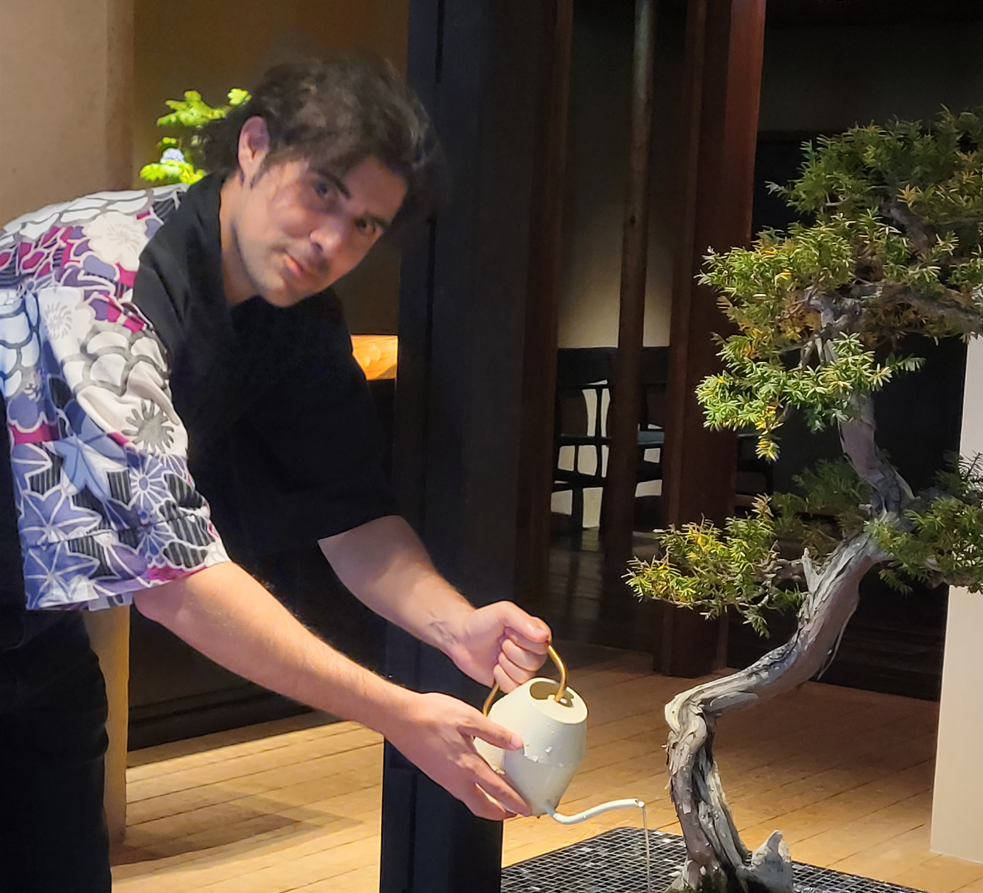
There’s no doubt, living in Japan was challenging for me, and not just because of the usual suspects of living in a foreign country, like language barriers and being far from home, but also the specific nuances that Japanese culture particularly brings to the table. Anyone who’s visited Japan knows the immediate change of pace and unique atmosphere that is felt as a result of shared cultural customs, unspoken etiquette, and deep-rooted mannerisms.
That being said, Japanese customs tend to align well with what the majority of people would consider ideal moral behavior. Things like lining up at train station platforms, keeping phones off or on silent on public transport, and generally not talking too loudly in public are all etiquettes that anyone would admire. Of course, in societies where such things are not “the norm,” there is a greater prevalence of poor public behavior and less effort being exerted as the temptation for individual comfort persists.
Constant Outsider Feelings
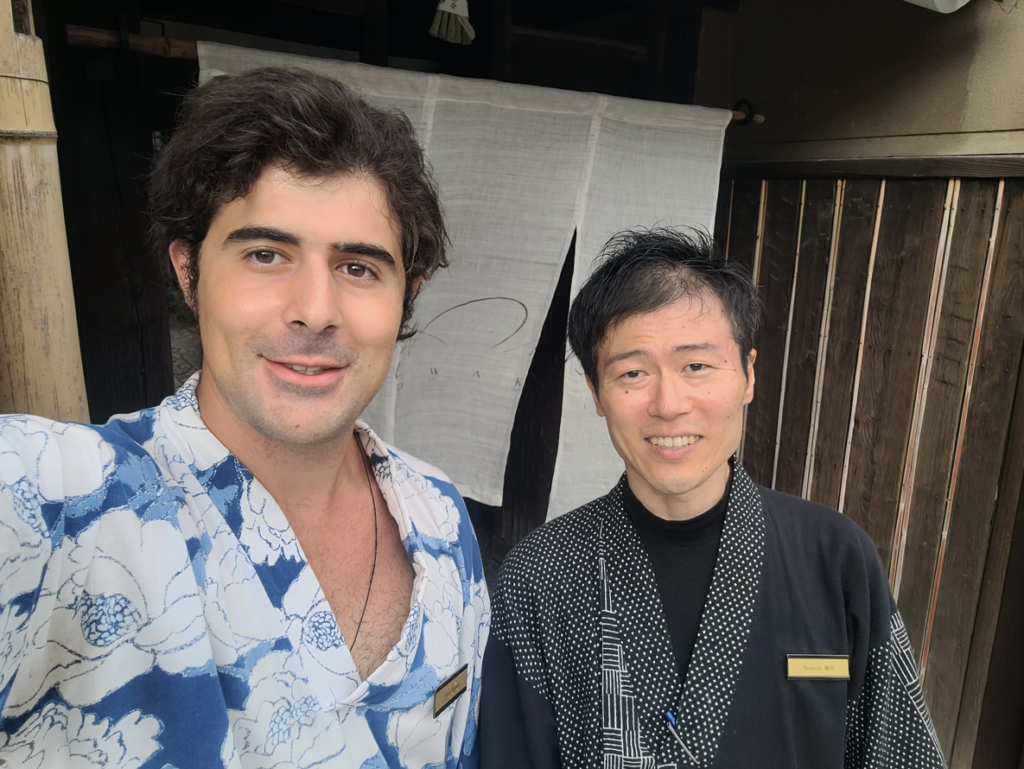
As a foreigner living in Japan, the feeling of being an outsider never quite goes away, and is something you have to be okay with at all times. Many conflicts arise when foreign residents feel entitled to certain privileges or higher levels of the social hierarchy without considering the rigid structure that governs Japanese society. No doubt, you’ll be highly valued as a foreigner who has taken the time to learn Japanese and speak with fluency, but at the end of the day, you have to remind yourself that Japanese culture has many layers to it that go beyond its language.
A complex intertwining of Japan’s unique history, geographical circumstances, family values, traditions, and religious beliefs makes it a very difficult society to integrate into as a foreigner. There are many Japanese expressions that simply go over the heads of us foreign folk, for what may seem like a straightforward comment often has a different implication that is understood by the locals, not to mention the plethora of etiquette surrounding the world of gift-giving in Japan. Of course, one could strive to learn all there is to know about the subtleties of Japanese customs, but even when that pinnacle is reached, you will have to contend with the reality of standing out as an ethnically non-Japanese resident due to the homogenous state of Japanese society.
Harmonious Culture
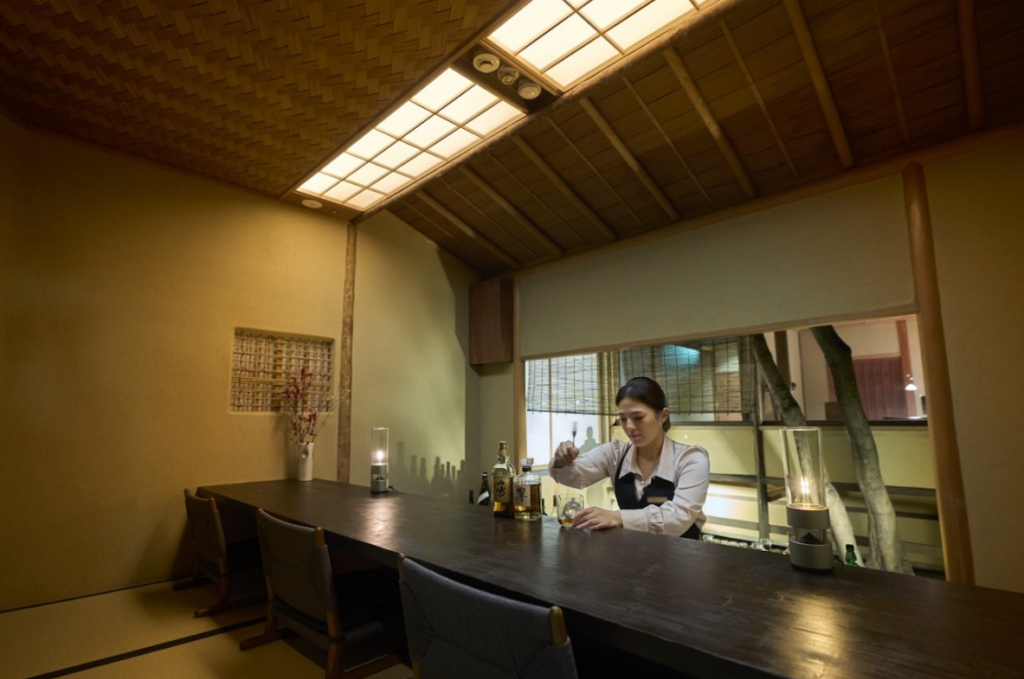
Harmony is at the core of everything in Japan. From the way one works at their job to how they spend their leisure time, nothing is more important than keeping the peace between people. Having grace in one’s actions, supporting one another, and adapting a mindset of service are what the Japanese work environment is all about. Coming from the West, where people are typically more inwardly focused regarding their career ambitions, I found it quite enchanting to see such selfless cooperation when working in Japan’s hospitality industry.
Furthermore, the Japanese emphasize harmony even in the material things they build, such as roads, houses, and vending machines. Roads are narrow yet devoid of street parking to create a nice and cozy aesthetic, and cars are made to be small to fit on such roads and make parking easier and efficient. Instead of everyone crowding the one 7-Eleven in town, Japan ensures that there is an abundance of convenience stores and vending machines that are easily accessible wherever you are in the country. Space is efficiently used to counter the dense population of Japanese cities, and harmonious mindsets are instilled in the people so that harmony persists even when things get uncomfortably tight.
Suppressed Expression
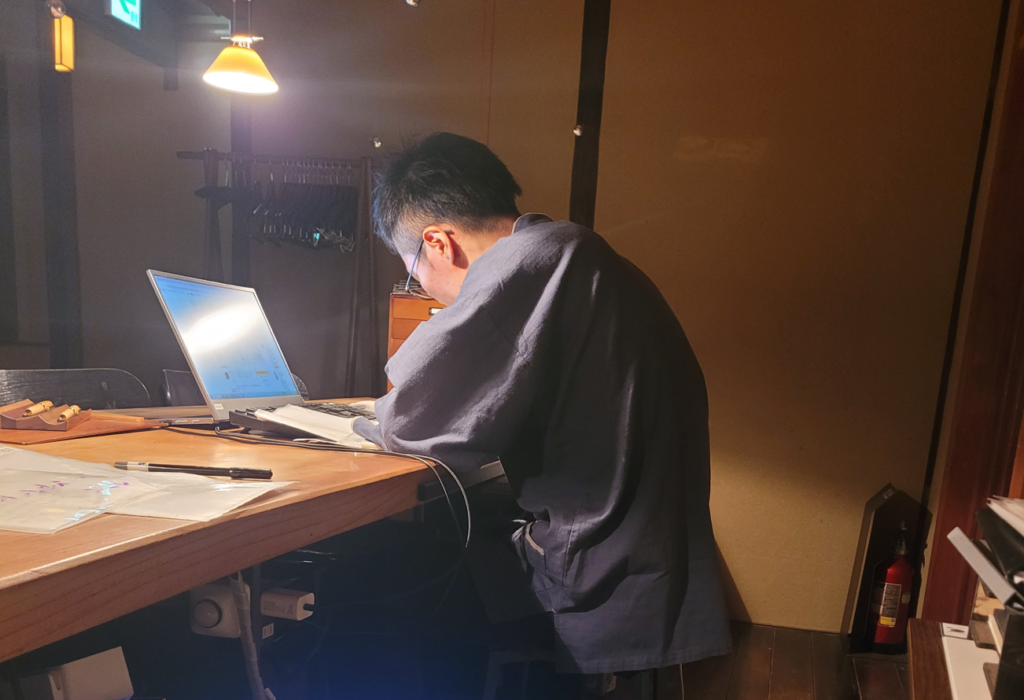
It truly is a catch-22 with Japan, for on the one hand, you are in a beautiful and serene country where people, places, and things are built for harmony and convenience, but on the other hand, there is an unsettling silence in the air of a society with feelings unexpressed. While the Japanese emphasize mindfulness and living in the present moment, my perception is that many fail to do so as a result of suppressed emotions. What looks like silence on the outside feels like chaotic noise on the inside, as many Japanese people prefer to process their emotions in silence and solitude.
The cost for external peace and harmony is often paid with an internal fight. One must be prepared for this internal struggle when chasing the sensory pleasures of Japan’s externally harmonious culture. Personally, I found the few years I spent in Japan to be quite pleasant overall, but I always knew the West was where I truly belonged, even if I wasn’t as outwardly expressive as my fellow Westerners. I believe the chaotic atmosphere of multiculturalism is a worthwhile cost for the higher levels of happiness and fulfillment that can be attained in a colorful and expressive community.
To learn more about life in Japan, check out my book: The Japanese Pursuit of Perfection. This book features my most profound observations of Japanese culture and society as a foreign resident. Available in e-book, paperback, and hardcover. Grab your copy today!