

Unspoken rules are the essence of Japanese society, as one should act out of a deeper understanding rather than the threat of the law.
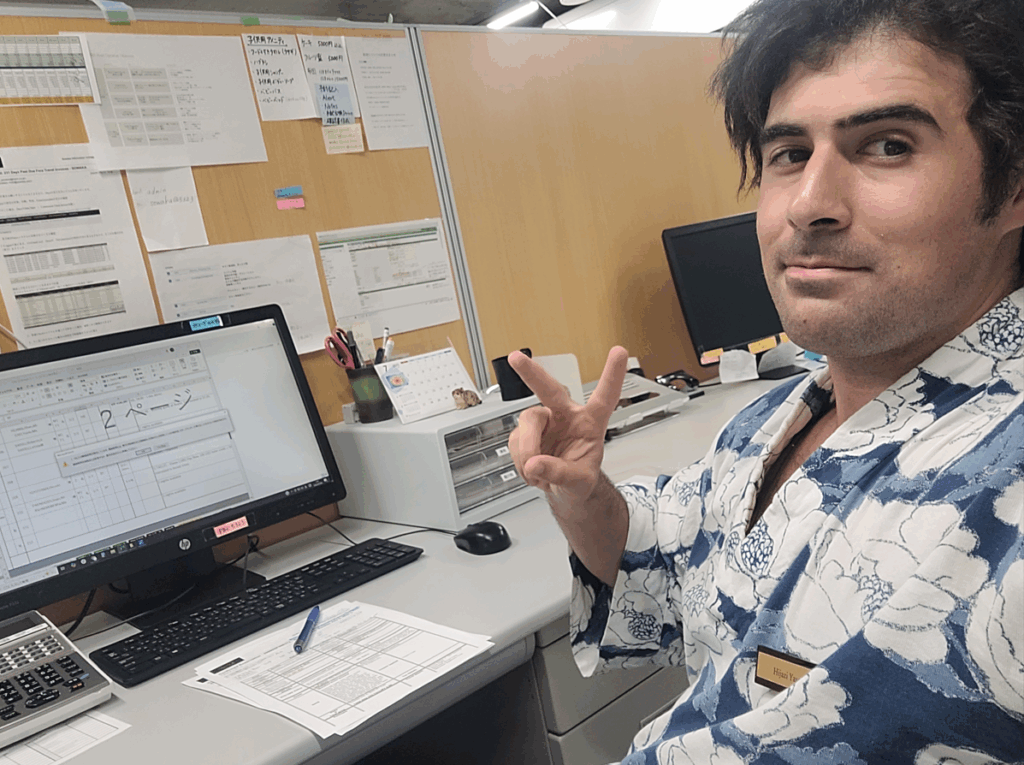
Having lived in Kyoto, Japan’s ancient capital, for 2–3 years, I thought I’d put together a guide on what I felt the Japanese were the most judgmental about. Given the polite and non-confrontational nature of this society, you won’t really pick up on these unspoken rules unless you’ve either done your research or felt the silent judgment of your actions while living here.
1. Don’t Eat or Drink while Walking
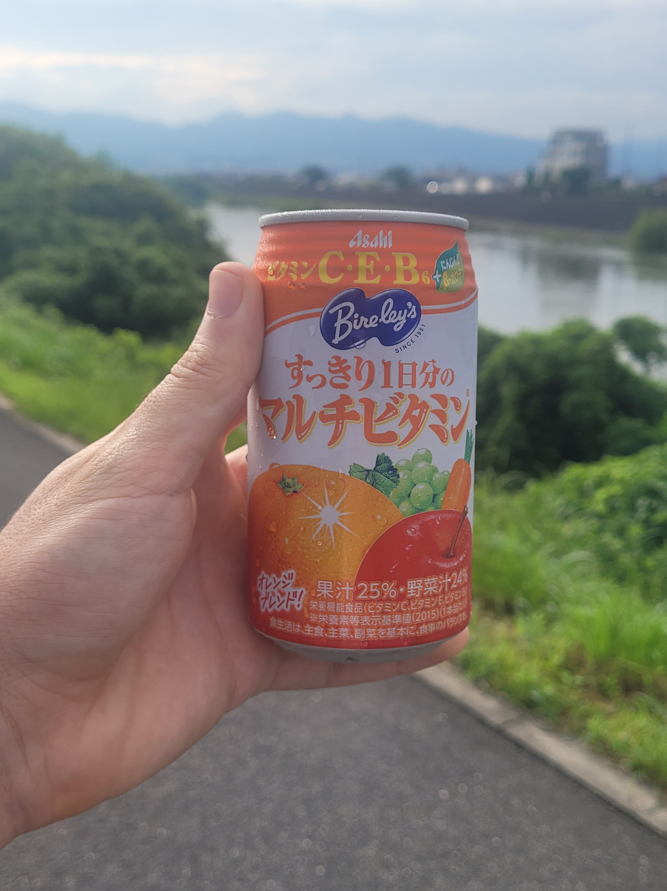
Okay, this is a rule I break ALL the time, but you know, I try to be considerate about it.
Indeed, one of the rarest sights in Japan is to see a Japanese person walking while eating or drinking, and for a country abundant in convenience stores and vending machines, this may come as a surprise.
This is one unspoken rule I can never get totally on board with, as walking while sipping on a drink is one of life’s great joys in my opinion, but I do try to avoid eating messy foods while walking, at least to avoid looking unsightly to others.
Truthfully, this rule should be renamed to “don’t eat and drink while walking in the presence of others,” as the whole point of it is not to create an unpleasant sight or to make a mess on the spotless pavements.
2. No Talking Loudly in Public Spaces
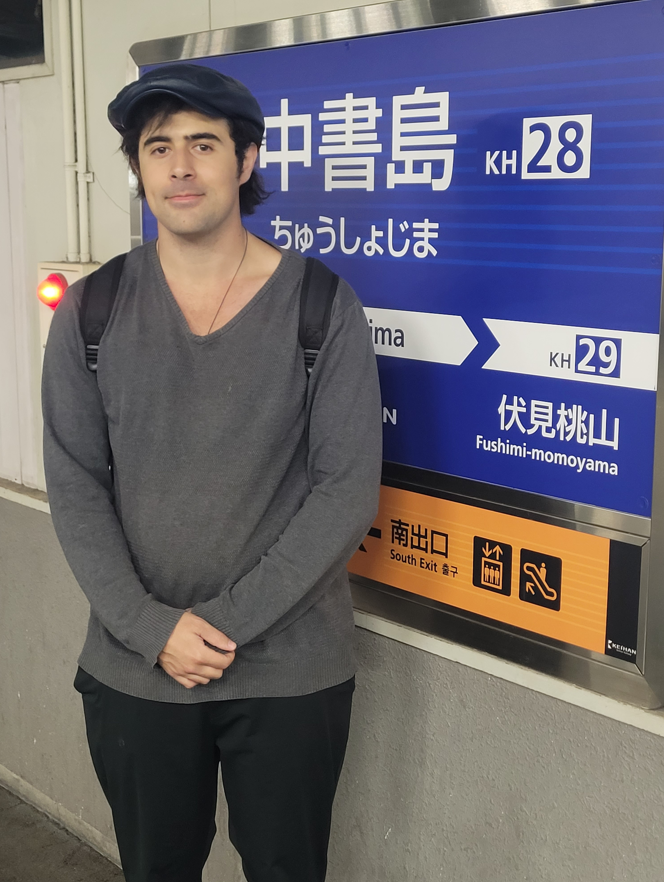
Train station platforms, train carriages, buses, convenience stores, cinemas, and pretty much any shared public space in Japan maintains a level of respectful silence among its dwellers.
These are not rules that are necessarily enforced by law, but there is a mutual effort shown by the Japanese toward maintaining the peace of such vicinities.
As a foreign visitor, you won’t be judged so harshly for not knowing some of these unspoken rules, but you’ll find yourself naturally assimilating in situations like in train carriages, when you feel the awkwardness of being the only one talking loudly while everyone is dead silent or speaking in low tones.
3. Dress Conservatively
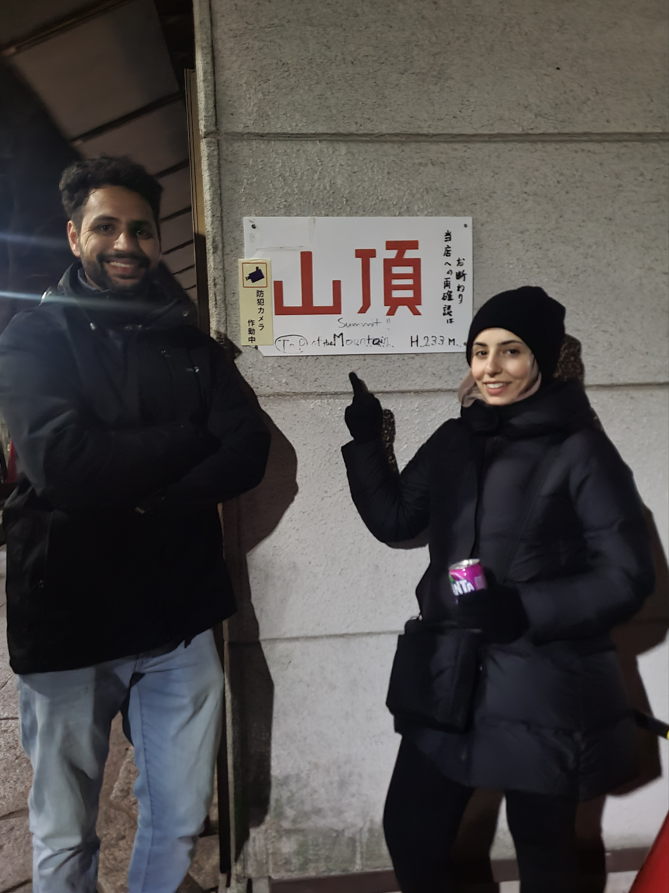
Another interesting phenomenon in Japan is that people, for the most part, dress very conservatively, even in the grueling heat of the Japanese summer.
Personally, I’ve been making efforts not to wear singlet (sleeveless) tops outside in public, purely because I feel I stand out too much among the conservative Japanese people.
Many are still willing to wear long-sleeve shirts and trousers in the summer, and things like shorts and sleeveless tops are seen as childish or immature attire to some degree.
In the modern era, people are loosening up on this unspoken rule, particularly in the more sleazy areas of Tokyo, Kyoto, and Osaka, as the younger generation obsesses over their sex appeal and whatnot.
4. Speak Japanese (or at least try)
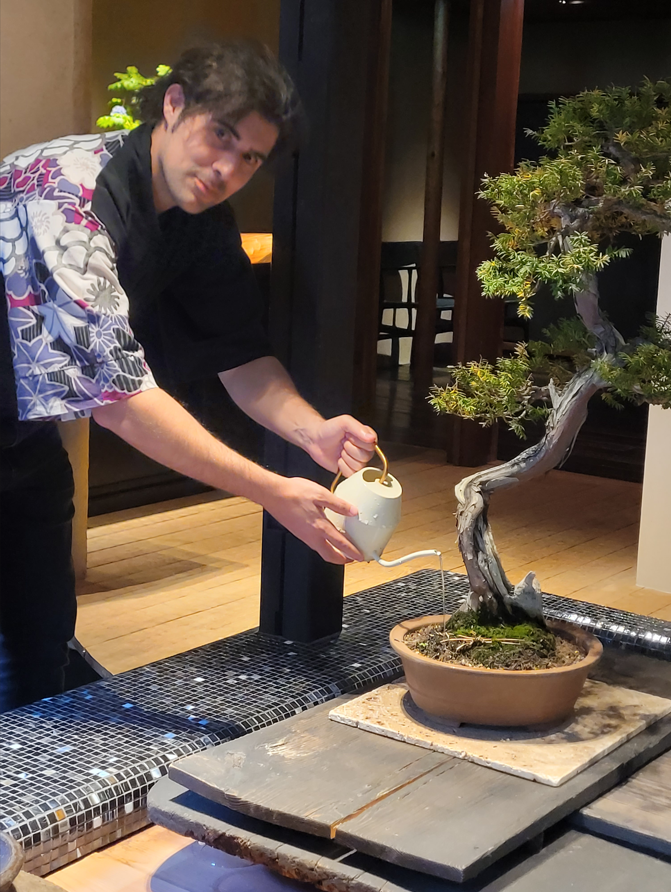
You likely won’t be scolded about not using Japanese when in Japan, but there is a silent judgment that you may feel when you make no effort to use Japanese words.
Simple expressions like arigato (thank you) or sumimasen (excuse me) go a long way to show you’ve at least done some due diligence to learn the language, and the people here will greatly appreciate that.
For me, whose lived here for several years, I feel an increasing pressure to use Japanese more often, particularly in the workplace.
Again, I’m seldom told directly that I should learn more Japanese and use it with my co-workers, but I’ll often get spoken to in Japanese by my colleagues, regardless of the fact that they can speak English fluently.
It’s almost like a sort of Japanese code is being upheld, as if to say, “Don’t forget, this is Japan, so don’t get too comfortable speaking English with us!”
5. Apply Chopsticks Etiquette
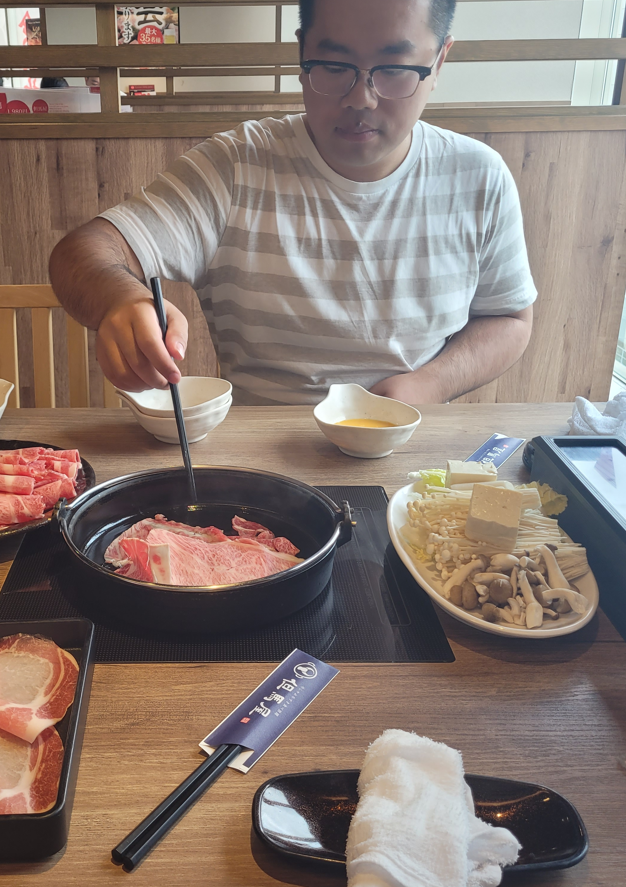
Last but not least in my short list of Japan’s unspoken rules is chopsticks etiquette, and I’ll only be scratching the surface with this one (at least for my lack of deeper knowledge in the area).
Perhaps the number one thing to avoid with chopsticks is not to stick them in your bowl or rice and leave them standing, for this is associated with incense sticks and whatnot on graves in Japanese cemeteries (in other words, an omen of death).
While eating, don’t do things like stab your food with the chopsticks, and don’t lick them in an unsightly manner.
It’s also considered rude to leave your chopsticks in a messy state or leave them on your plate in a disorganized fashion after your meal.
When finished eating, just keep your chopsticks close together as a single unit, and either place them horizontally across your bowl or simply on the table in a neat manner. The key is that the chopsticks are side-by-side as one!
To learn more about life in Japan, check out my book: The Japanese Pursuit of Perfection. This book features my most profound observations of Japanese culture and society as a foreign resident. Available in e-book, paperback, and hardcover. Grab your copy today!