Kawaii is a Japanese word meaning “cute,” and within Japan, it’s an aesthetic that permeates all aspects of culture and society.
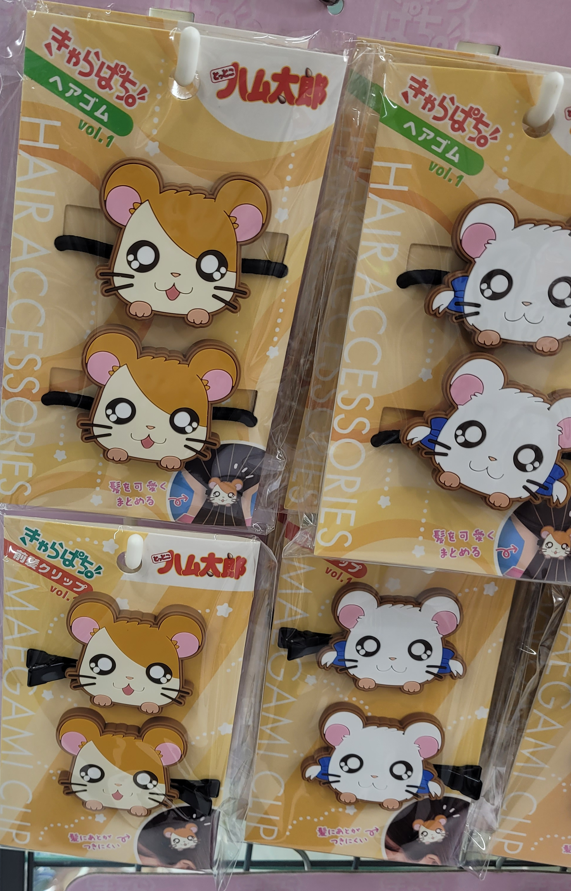
Kawaii culture is a phenomenon in Japan in which there is a seemingly obsessive infatuation with all things “cute.” Big sparkly eyes, plump chubby faces, and soft high-pitched voices are a few of the many attributes of what is considered kawaii in Japanese culture.
Quite common in anime and manga, this aesthetic invites feelings of warmth, happiness, and soft-heartedness, a favorable combination in a nation that prioritizes peace and harmony. The idea is to promote child-like innocence and feel-good charm that allows people to feel an escape from high-stress work environments that are so common in Japan.
The “Chibi” Epidemic
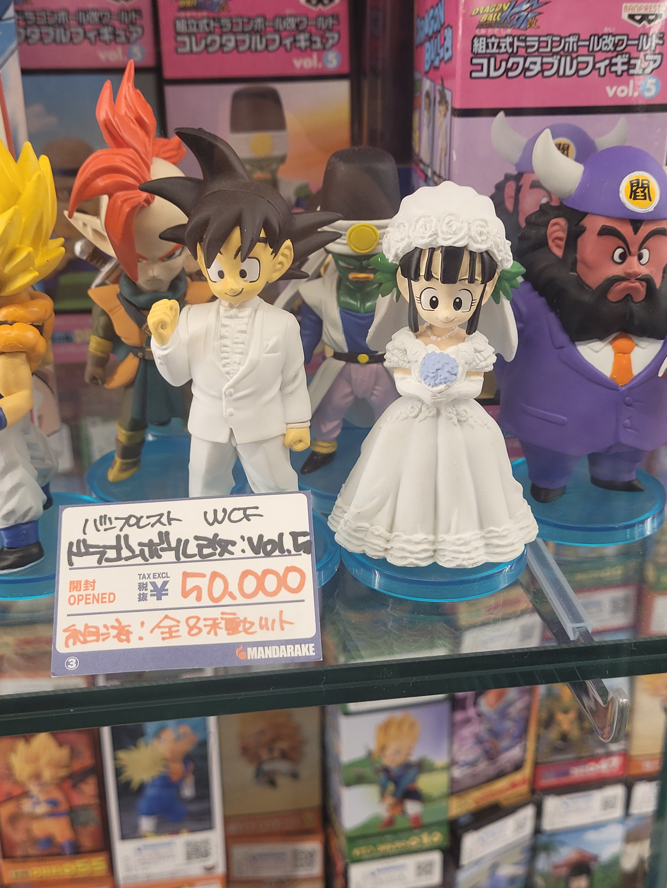
An interesting concept I noticed in Japan was the idea of “chibi” figures.
This is a branch of kawaii culture that essentially takes a character from anime or other media and turns them into a small, miniature-sized version, often chubbier and with larger heads too.
It’s particularly hilarious when rough and tough characters like those in Dragon Ball Z are made to be small and chubby, suddenly looking cute and cuddly, a total contrast to their typical personality.
Cute Pet Cafes
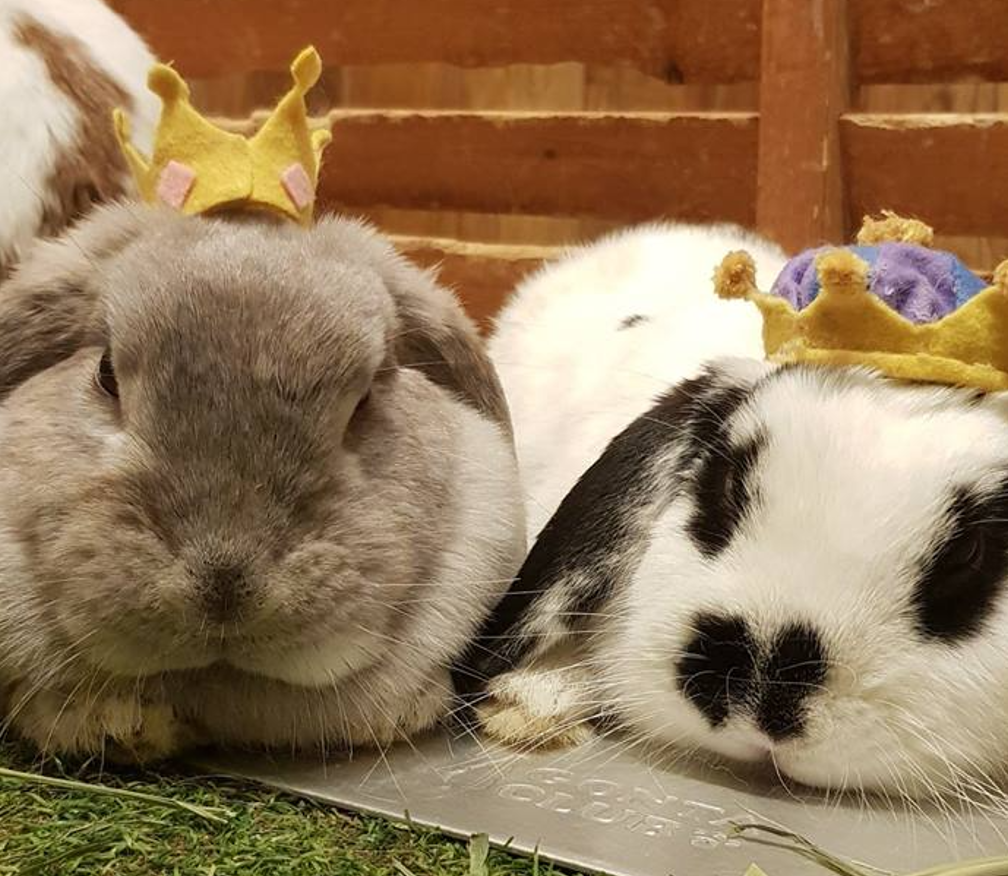
Japan’s pet cafe craze is a prominent example of kawaii culture essentially being turned into a business. Only the cutest animals like bunny rabbits, puppy dogs, and kitty cats are chosen for these kinds of attractions. Of course, the experience is magnified with dress-up accessories and toys that enhance the kawaii elements of your interactions with the pets. Japan’s pet cafes are a popular activity for tourists and locals alike; after all, cuteness is a universally beloved trait that anyone can appreciate!
“Kawaii” in Marketing
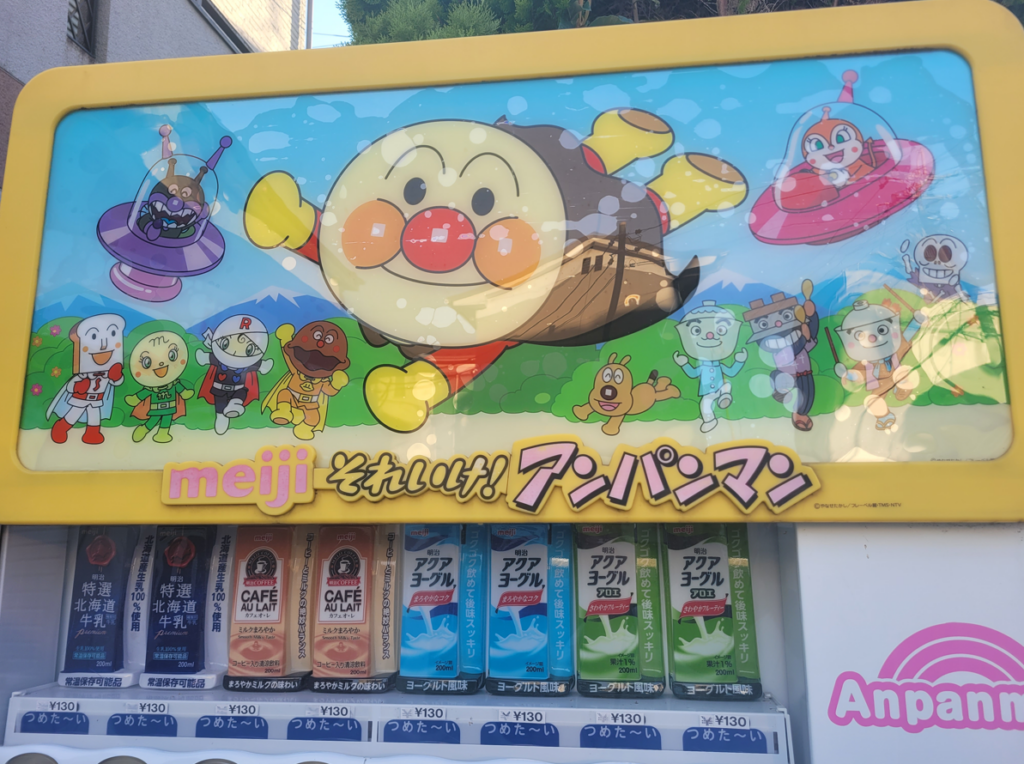
Notable cartoon characters such as Anpanman and Doraemon are seen all over Japanese marketing campaigns. From vending machines to train stations and public billboards, these cute characters are used to grab the attention of children and adults alike with their eye-catching designs and colorful artworks. Admittedly, there’s something about these kawaii advertisements that entices me to try their products; perhaps it’s the affable vibe they give off that makes them so approachable and inviting.
Food, Packaging, and More!
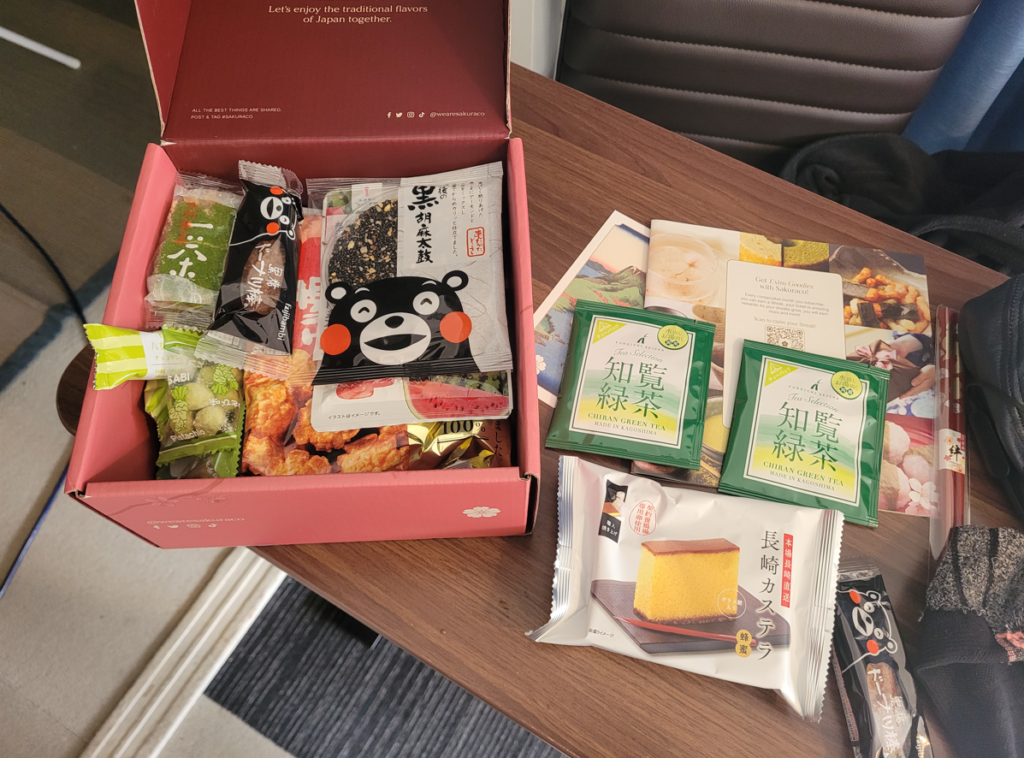
Kawaii culture in Japan even extends to food and drink, particularly when it comes to souvenirs and convenience store goods. Regional mascots such as the black Kumamoto bear “Kumamon” is frequently seen on the wrappings of Kyushu snacks originating from the region, such as sesame crackers and gummy candy.
Not only wrappings, but the food itself is often designed with the kawaii aesthetic in mind, such as being small, soft, and sporting a clear and smooth surface. Popular snacks in Japan, such as mochi, melon pan, and okaki crackers are all examples of foods designed in an aesthetically “cute” manner. Indeed, kawaii culture is a national phenomenon that has attracted millions of people worldwide to visit Japan just to feel some of that soft and cuddly goodness!
To learn more about life in Japan, check out my book: The Japanese Pursuit of Perfection. This book features my most profound observations of Japanese culture and society as a foreign resident. Available in e-book, paperback, and hardcover. Grab your copy today!