
Generally speaking, there are no strict rules around dining manners in Japan, but if you’d like to “fit in,” this guide will help you!

Table manners are not exclusive to Japan. We all follow the general etiquette of “don’t talk with your mouth full” and “wash your hands after eating.” So long as you are generally well-mannered and hygienic, you’ll have nothing to worry about when dining in Japan. That being said, if you want to make a truly good impression and show your cultural knowledge, here are a few things to keep in mind.
Never Stab The Chopsticks!
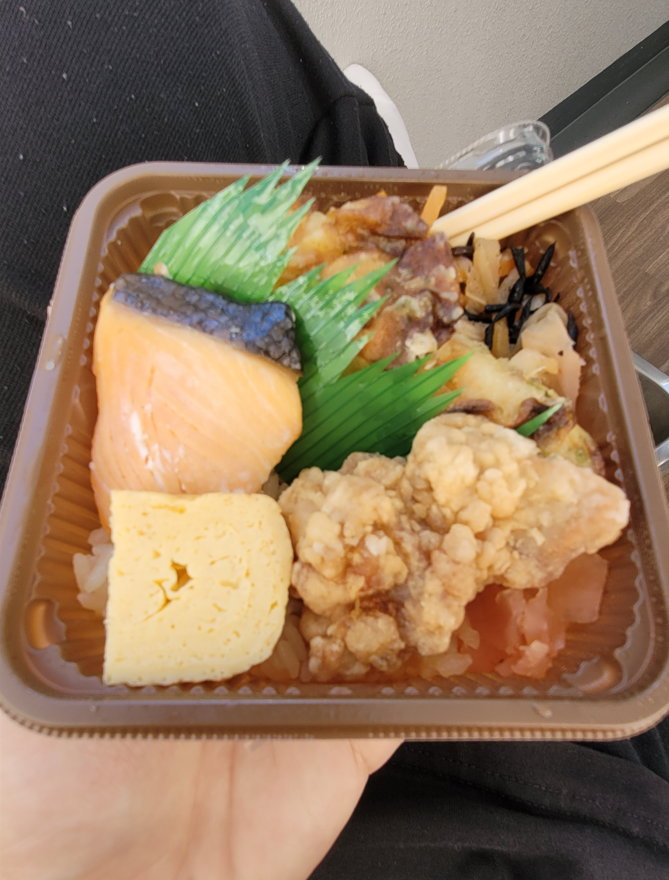
Chopsticks are the most commonly used utensil in Japan, and chances are you’ll be using them too while you’re here.
Perhaps the most offensive cultural taboo you can do that violates Japanese dining manners is stabbing your food with chopsticks.
This includes stabbing pieces of meat or vegetables as a way of eating, as you would with a fork, and also just leaving your chopsticks standing buried in your bowl of rice or what have you.
This is because of the Japanese tradition of incense candles being stabbed into the graves of the deceased as a way of honoring the dead.
The tradition of stabbing something with a stick-like object has become synonymous with death to some extent, and doing so is considered bad luck or disrespectful to the chef, as though the food is being offered to the ghosts of the dead.
Elbows Off The Table!
The elbows off the table rule is a commonly practiced dining etiquette all over the world, derived from the Middle Ages, to avoid shaking unstable tables.
Of course, Japan also practices such etiquette, though I’d say they are more diligent about it, as the reasoning is more to do with avoiding poor posture and being mindful of others’ personal space.
Good posture is often promoted in many scenarios in Japan, from eating upright at the table to working on PCs with a similar posture.
Traditions like tea ceremonies also promote upright posture while sitting on the knees, and such practices are seen in many other aspects of Japanese society including martial arts, ryokan hotels, and general customer service areas.
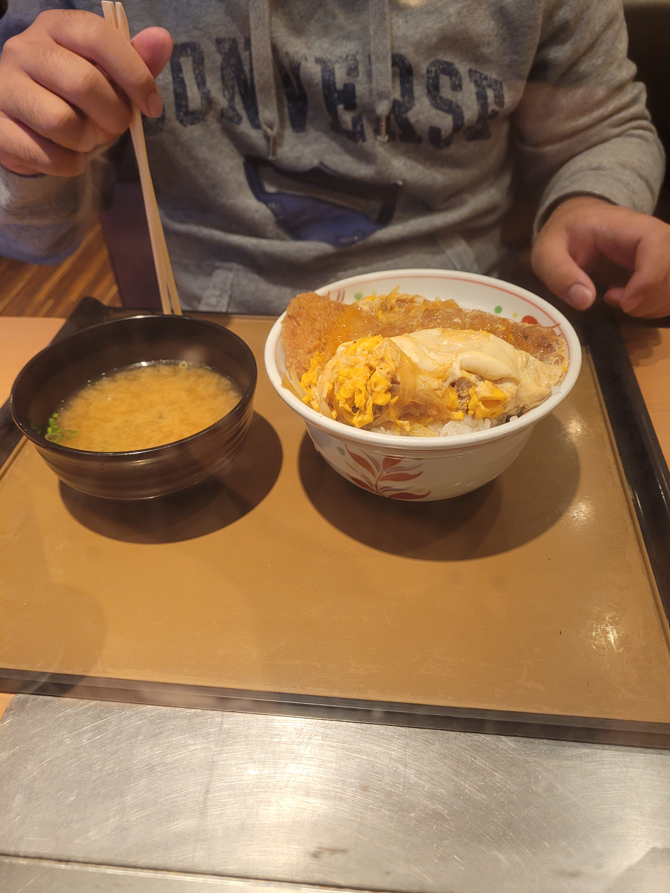
No Eating While Walking!
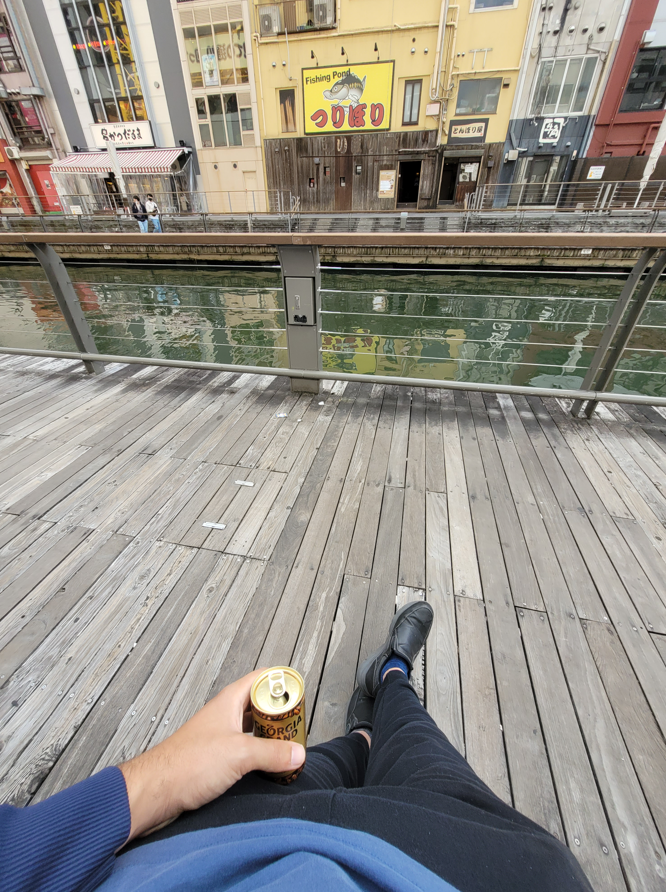
This last etiquette is for the outdoors and is exclusive to Japanese cultural customs.
The “no eating (and drinking) while walking” rule is a commonly practiced etiquette in Japanese society, though it is not enforced by law or local rules.
I personally think this is a great rule, particularly the no-eating bit, which makes for a much cleaner environment free of strong scents from food.
Drinking while walking is not quite as disliked as eating while walking, but it is still practically non-existent among the Japanese.
I haven’t quite given it up just yet, but I do try to avoid taking sips while walking past people.
In addition to the scents and potential littering that happens when walking while eating/drinking, it’s also seen as a distraction to the mind while walking, particularly in a dense population like Japan where being mindful of people and cars around you is critical for your safety.
To learn more about life in Japan, check out my book: The Japanese Pursuit of Perfection. This book features my most profound observations of Japanese culture and society as a foreign resident. Available in e-book, paperback, and hardcover. Grab your copy today!