

If you’re anything like me when visiting Japan, you’re going to be tempted to take photos of everything! Just be mindful of the following:
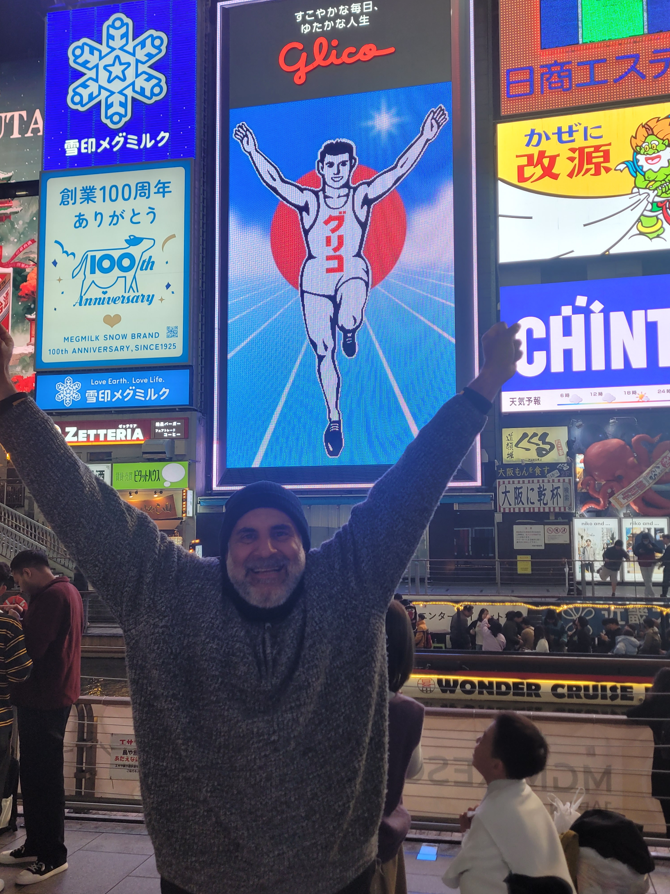
There are certainly universal etiquette rules when it comes to taking photos while on vacation, particularly in a foreign country. Perhaps the biggest no-no in the world of photography is taking shots of people without their consent, particularly when they are the main focus of the picture. Japan is no exception to this, and the issue of privacy is all the more significant in this reserved society. Below are the unique considerations to take into account when taking photos in Japan:
Respect People’s Privacy
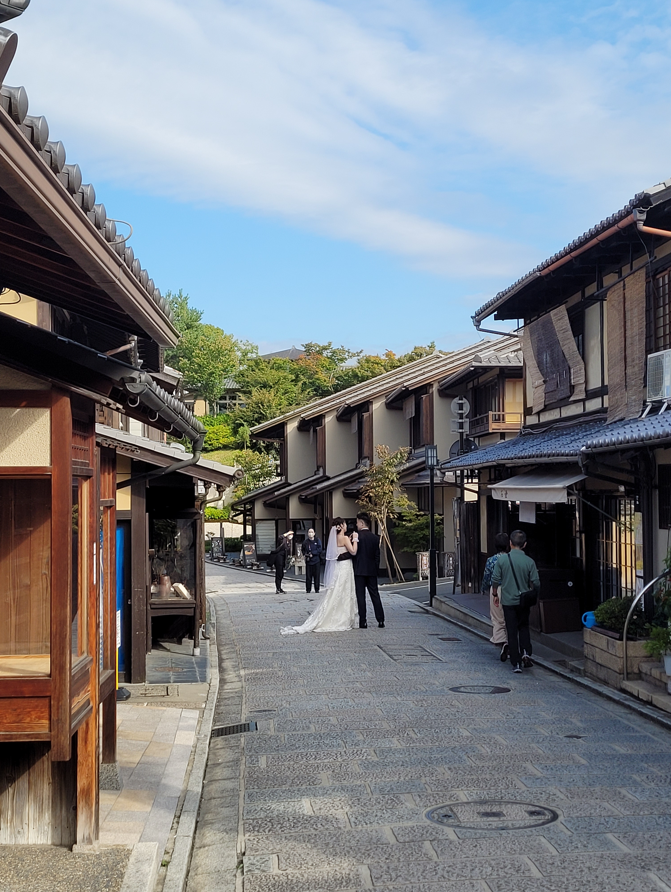
Privacy is a huge deal in Japan, and I don’t exaggerate in the slightest in saying that. There is a reason that famous celebrities such as authors, singers, and voice actors do not reveal their face (or their real names) to the public. It’s also one of the supporting reasons for the wearing of masks in public, as many Japanese find comfort in an anonymous public identity except in the presence of their trusted networks (e.g. work, home, school, etc.)
As you take photos in Japan, keep this in mind. Generally, it’s considered OK if the people caught in your photos are standing in the background and are not easily identifiable. The main issue to avoid is taking unconsented photos of Japanese people simply because they may be wearing a kimono or have caught your attention in some specific way.
In particular, the photography of geisha is strictly forbidden without consent, for this has caused many issues between foreign tourists aggressively trying to take photos and geisha who are trying to get to work. Such instances had resulted in areas like Kyoto strictly forbidding photography in certain areas entirely, particularly those that are frequented by geisha.
Look Out For “No Photography” Signs
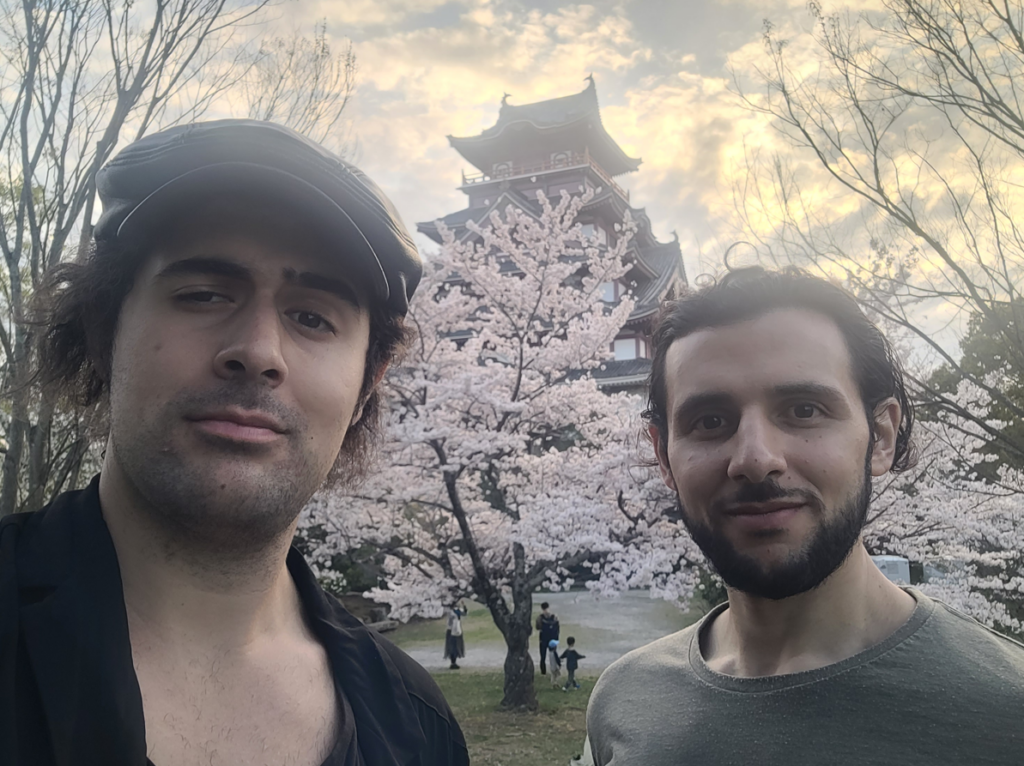
Taking photos at castles, shrines, and temples is totally fine in Japan, so long as there are no signs indicating otherwise. You’ll often see certain structures around a Japanese temple or shrine with a “no photography” or even a “no tourists” sign put up at the entrance. This is to preserve the functionality and atmosphere of certain areas such as where monks may hold religious classes or uninterrupted Zen Buddhist meditations.
There are also many museums in Japan where taking photos of exhibits is strictly forbidden. One such place is inside Osaka Castle where there are multiple floors of exhibits showcasing the history of the structure and the battles that took place around it. On most exhibits was a “no photography” sign, so be sure to respect the rules of the venue and only take photos where no such sign is present.
Turn Camera’s Silent Mode Off
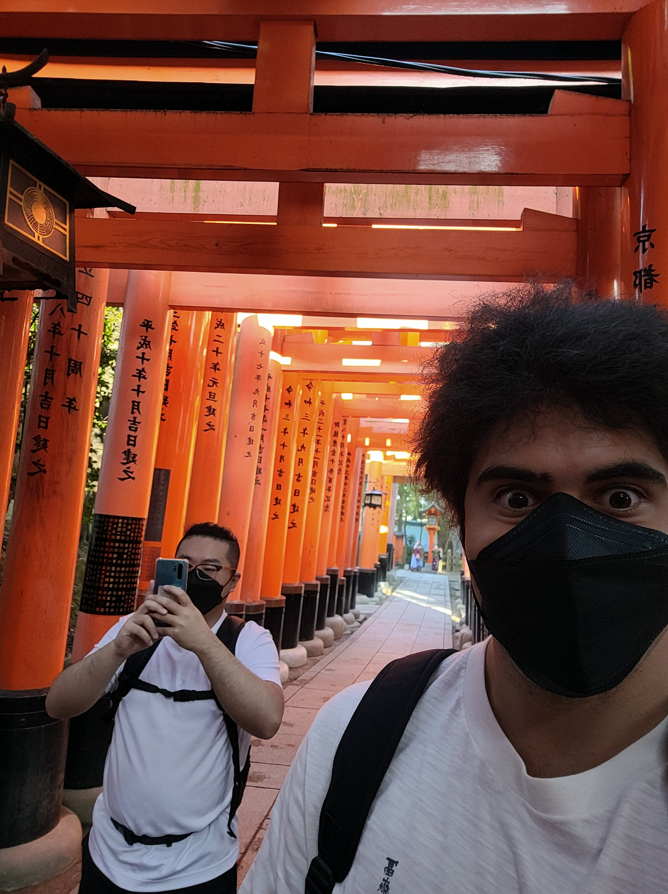
While this point is not enforceable by law for foreigners, it is important to recognize that all phones purchased in Japan do not have a silent mode for the built-in camera. This is because of Japanese privacy legislation that prohibits secretly taking photos of people, a law that was created in reaction to multiple instances of unwanted “upskirt” photos being taken of females in Japan.
Foreigners are not required to abide by this law, and taking silent photos is considered OK if your camera allows it. However, you should refrain from taking sneaky photos of people during your trip to Japan. It may be a good idea to simply turn off silent mode on your camera while taking photos in Japan, as it will help put those around you at ease.
To learn more about life in Japan, check out my book: The Japanese Pursuit of Perfection. This book features my most profound observations of Japanese culture and society as a foreign resident. Available in e-book, paperback, and hardcover. Grab your copy today!