

Like many countries, Japan has become more tolerant and accepting of other cultures and languages over the years, but to what extent?
Japanese Still Reigns Supreme
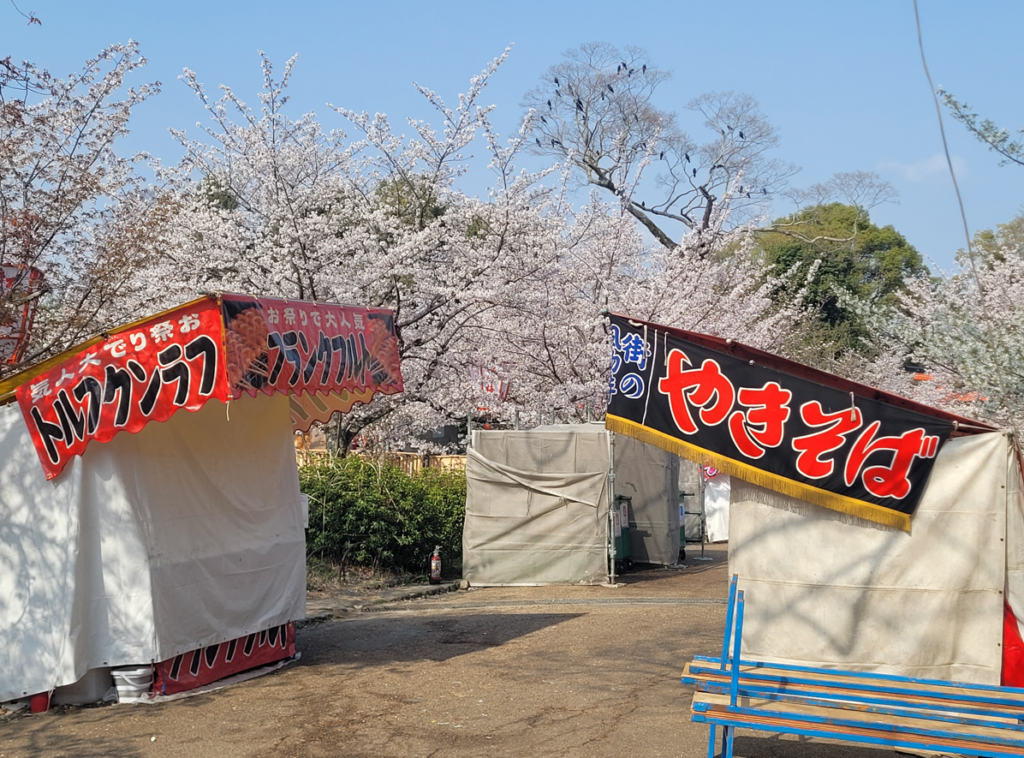
As more and more first-world countries welcome multiculturalism and Westernization into their culture, Japan holds tight to its cultural traditions and native language. There’s no doubt that Japanese still reigns supreme as the most dominant language spoken in Japan, despite the higher influx of foreign tourists and residents than ever before. It often surprises me how, even among the youth, English is often not even spoken at a basic level, showing how truly unimportant it is in Japan, even in today’s globalized and digitally connected world.
English The Clear Second
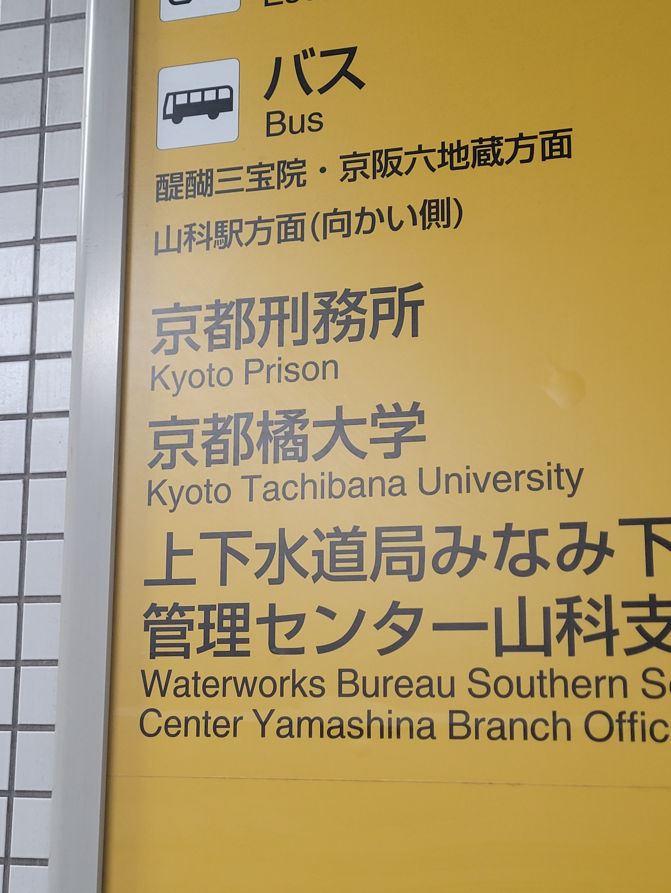
Most signs in Japan will have a bare minimum English translation to give foreigners a general idea of what is being communicated.
However, I’ve noticed there is often a lot of details missing in the English translation, for example, this sign, which includes info on where to find the bus stop.
The English translation simply tells you which way the bus stop is, while the Japanese provides details on which bus line it is, where the bus is coming from, and where it’s going.
In any case, English is definitely the second most common language in Japan, though in this case, the gap between first and second is huge.
Chinese & Korean Prominent
What I find quite interesting is that many trains in Japan provide Chinese and Korean translations for the onboard announcements.
Even the screens that tell you which station is next are often accompanied by English, Chinese, and Korean translated texts.
From a residential standpoint, the Chinese comprise the highest number of foreigners in Japan, while on a tourist level, both Chinese and Koreans make up the top percentages.
From this perspective, it makes sense that they are accommodated to some degree, particularly with their home countries also being scarce in their English usage.
Honorable Mentions

Other Asian countries, such as India, Pakistan, Indonesia, and Nepal, also have some significant influence on the language statistics in Japan, though to a far smaller degree. Small communities of Indians exist in major prefectures like Tokyo, Kyoto, and Osaka, often on student exchange programs or starting small businesses such as restaurants and international supermarkets. Of course, these types of foreigners are typically well-versed in Japanese, so if you’re planning to visit or move to Japan, or any country for that matter, it always helps to brush up on the native language!
To learn more about life in Japan, check out my book: The Japanese Pursuit of Perfection. This book features my most profound observations of Japanese culture and society as a foreign resident. Available in e-book, paperback, and hardcover. Grab your copy today!