
I’ve always been obsessed with Japan as a holiday destination, but living here has had a lasting, profound impact on me and how I see life.

Kyoto has always had a special place in my heart. In many ways, it feels like the truest, most authentic representation of ancient Japanese culture and tradition, despite the huge influx of tourism. Having lived here for about 3 years in a small town called Mukaijima, I’ve experienced a side of Kyoto far from the city’s commercialized atmosphere that caters to the overseas tourist. In contrast, I worked in a ryokan-style hotel in the heart of Gion, arguably Kyoto’s most popular destination for international visitors. As such, I’ve seen the various ways that Japanese culture prevails through different circumstances and what these remarkable people have taught me about life itself.
There’s No Destination
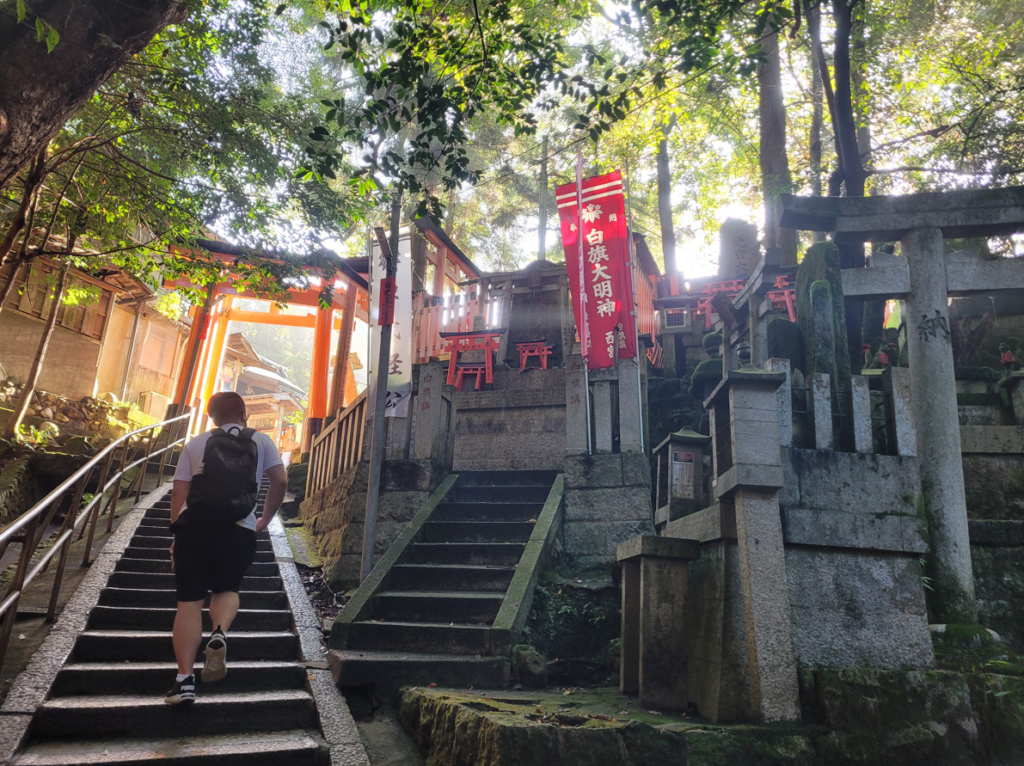
A huge lesson that I learned while living in the calm and serene districts of Kyoto is that there is no destination in life. This means not to give up on striving toward goals, but simply to detach from desired future outcomes that rob you of the present moment. There is a strong feeling of presence when I walk through the shrines of Kyoto, of which there are many, and I always feel this sensation of “this is it, this is life” when I do so. Perhaps it’s the combination of the tranquility of nature, the simplicity of the torii gates’ architecture, and the calm, mindful manner of the visitors that bring forth a strong sense of presence when visiting shrines in Kyoto.
This sentiment extends beyond the visiting of shrines and into daily work life. In my case, I worked as a hotel front desk representative at SOWAKA in Gion, the geisha district of Kyoto. What I discovered from observing my Japanese co-workers on a daily basis was a pure mode of work effort that seemed totally detached from a desire for promotions or individual recognition. Of course, those perks still came their way, and deservedly so, but that is not where the focus was, for each member worked meticulously to engage themselves in the present moment.
When I first came to Japan for the purpose of living and working here, I had a vision that I would gain some sort of value in a professional or spiritual sense that I could take home with me. Upon returning to Australia after my 3-year adventure, I found that very little had changed in terms of my sense of self. I did not feel more powerful; I did not feel more capable; I did not feel more “cultured” or “wise” in any way. However, as life back home continued to play out, I started to feel overwhelming pressure from my peers and family as though everyone was silently judging my absence of career progression or significant financial gain. Indeed, not only had I not gained any form of material advantage through my Japan arc, but worse, I felt I had fallen behind so significantly in life as everyone around me seemed to have progressed their careers, relationships, and financial status while I was away.
These negative feelings lasted longer than I cared to admit, and it took months- half a year, in fact- before I started to finally understand how that whole 3-year chapter in Kyoto impacted me. The truth is, I did change. I changed on such a deep level that, in many ways, it felt like a regression, because I had believed that positive change meant gaining something, when in fact, it was the letting go of old ideas and expired convictions that brought me a sense of inner peace. What had led me down a spiral of negativity upon my return to Australia was not that I didn’t gain anything in a material sense, but that I believed my loved ones would see how much I’d changed from the outside in.
The truth is that deep, lasting change takes time to reveal itself in the material world, and that’s exactly what happened to me after my 3-year Kyoto adventure. There were new aspects of my character that only started to reveal themselves once time had passed. My family and friends started to see a more grounded and present version of me that was not immediately noticeable upon my return, but gradually revealed itself as I readjusted to life back home. Perhaps subconsciously at first, but surely consciously now, I started to live more intentionally, eradicating the idea of destinations and focusing my attention on the journey of daily improvement and joyous interactions.
What I’ve found is a profound sense of self that was previously absent in my soul. While I had gained this understanding of who I am during my time in Japan, being away from family and friends for so long also meant that my convictions were left unchallenged. As such, returning to Australia put me through a period of “getting worse before getting better,” as they say, for my beliefs and outlooks were easily torn down by a community that was accustomed to criticism and debate. However, living in Kyoto for a good chunk of my 20s gave me a trump card that ultimately compensated for my otherwise “lack” of progress in other areas of life (like career and relationships), and that is the freedom from anxiety-driven pursuits of destinations.
Manners Make The Man
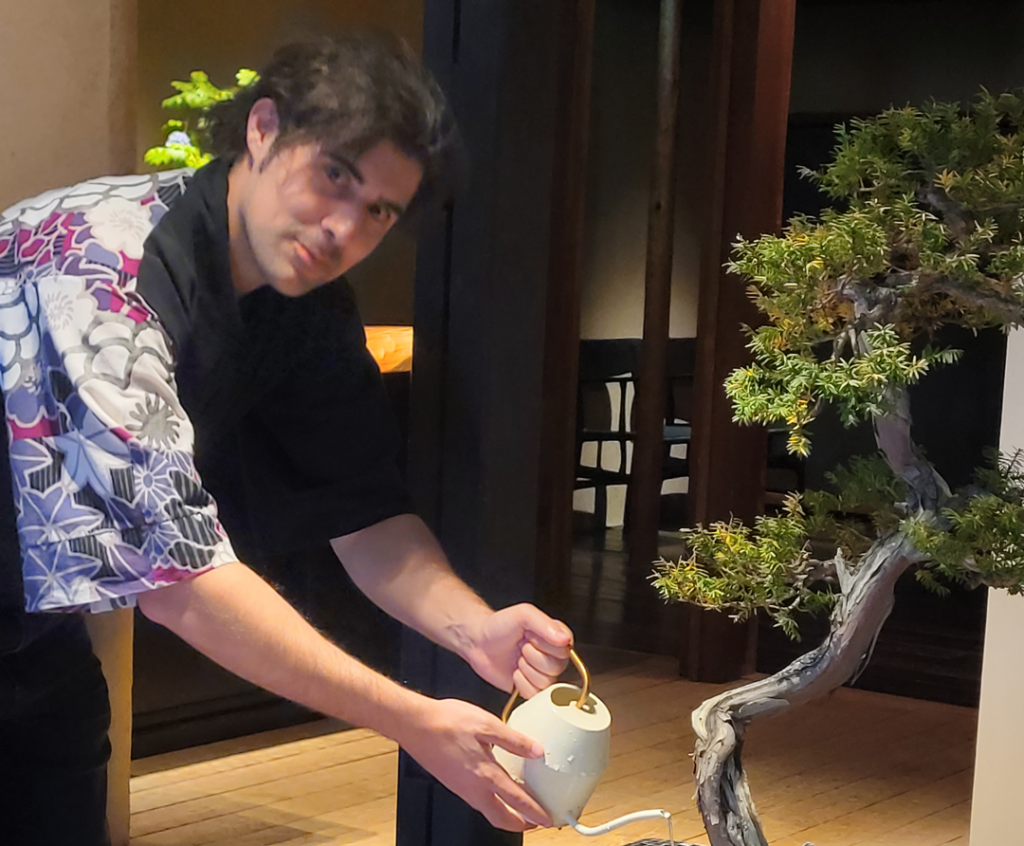
Manners are a universal ideal that is encouraged in all cultures and societies, but few take it to the level of the Japanese. From customer service representatives to work colleagues and even the random strangers you encounter on the streets, there exists an inherent knowing of how one should conduct themselves in the best possible manner. I would call it a baseline level of respect and politeness that comes about through the Japanese concept of tatemae, or “outward appearance,” which aims to uphold social harmony by repressing one’s true feelings and opinions.
It may seem superficial at first; after all, are we not all truth-seekers searching for direct honesty? In the West, raw honesty and bluntness are typically preferred over “fake kindness” or overly polite behavior for the sake of group harmony. I was once in the party of Western thought patterns too, but after 3 years of observing social dynamics play out in Japan in a variety of settings, I started to understand more deeply what tatemae was all about. Human beings are emotional and sensitive creatures; no matter how tough you think you are, the way that a person expresses themselves to us has a deep impact on our relationship with them, even if we agree with the core of their message.
Indeed, the power of tatemae isn’t just that we maintain a level of respect and kindness when communicating with one another, but that we are also more willing to engage with those with whom we are in disagreement. Giving people the opportunity to express themselves and listening in a purified manner with no intention of breaking them down, but attempting to understand and reflect on why they may feel a certain way, are all fundamental to creating deeper understanding of one another and ultimately a more fulfilling and prosperous life for all. People have varying levels of compassion and empathy, but traditional social practices and cultural beliefs like those of the Japanese are paramount to setting a baseline for this critical communication trait to flow and harmonize relationships.
When I returned to Australia, one of the things that I felt was lacking from those around me was a sense of empathic understanding between people. It seemed like everyone was in a rush to have their voices heard, but few were in the business of active listening, although this has become a global issue reinforced by the distractions of technology. In some ways, I felt my coming back had, at first, made people think that I had lost my confidence or forgotten how to converse in English, but time is the great revealer.
It wasn’t long before my presence started to cause a shift in communication standards between my community back home, because once we receive understanding, we feel compelled to relay that understanding, and I gradually noticed massive improvements in my family and peers’ ability to listen with intent, not just to me but to each other. The art of upholding manners and respect, no matter the level of disagreement or emotions at stake, is a lifelong lesson that I learned from living in Kyoto among what I would call some of the most mindful people on Earth.
Protect What’s Important
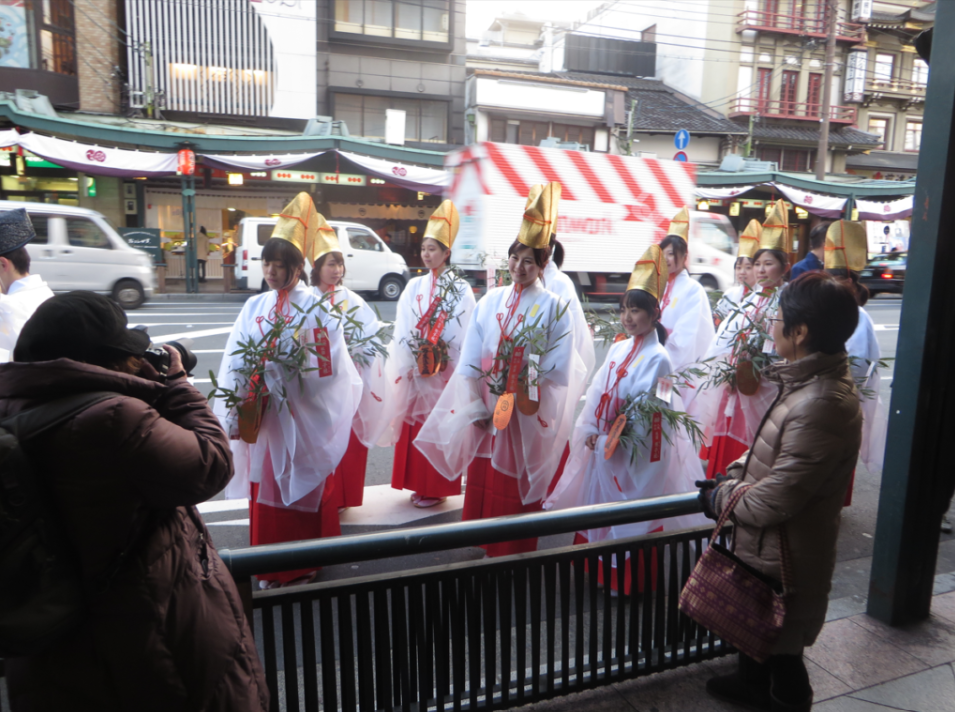
In our endless pursuit of goals, dreams, and success, we often lose sight of what we already have. The object of desire slowly takes precedence over the reason we chose to pursue it. Kyoto is a city of rich cultural heritage and the preservation of traditional practices throughout the ages. From festivals like Gion Matsuri to the upholding of the Japanese language and the overwhelming majority of Japanese food in convenience stores and restaurants, there is no doubt that Japan has protected its culture despite modern globalization and the spread of Western influence.
What I found interesting about Japan compared to other countries is that even in the most international hotspots such as Tokyo’s Shibuya district, the atmosphere and vibe still feel very much Japanese, albeit with a Western touch. In most other countries, the tourist hotspots tend to feel less like the country itself and more like an international dwelling of sorts, but that simply is not the case in Japan, even in the most tourist-heavy locations.
Sure, there are areas where English is more common and the availability of international cuisine is more prevalent, but even in such establishments there is a heavy Japanese influence that prevails so much so that even the local McDonald’s does not invoke a sense of comfort or familiarity that you’d expect like other overseas branches, very much feeling like a different restaurant and atmosphere altogether.
It’s hard to define in words, but there’s no doubt the Japanese spirit is very much alive and well. I find it inspiring that despite being one of, if not the most popular holiday destinations for international visitors, Japan is still one of the least influenced in terms of its culture and national identity, a feat that is particularly impressive as a first-world country with strong Western ties.
Indeed, what Japan has and continues to accomplish as a nation can be traced down to every individual and their unified consciousness born of the way of tatemae. A nation really does operate best when there is a focus on the similarities rather than the differences between people. Your individuality will always be there, but the ego strives to turn that uniqueness into a weapon of dominance over others, and that simply isn’t the Japanese way. Beauty, artistry, and elegance are transcendental traits that we all try to protect, for those are the things that make life worth living.
After spending 3 years in Kyoto, I have learned to protect what is important to me. My daily practice of creative writing is a core principle that I’ve strengthened and upheld since spending such a long time away from home. It keeps me grounded and allows my creative juices to flow, ultimately bleeding over to all aspects of my life and lighting up all that I do. In many ways, writing became my salvation during low points in life, such as the despair I felt thinking I’d fallen far behind during my time away from home in Japan. In other words, writing had become something for me to protect, regardless of the economic or social winds that blow this way and then that.
Now the question remains: what is most important to you? What are you willing to protect throughout the ages of your life?
To learn more about life in Japan, check out my book: The Japanese Pursuit of Perfection. This book features my most profound observations of Japanese culture and society as a foreign resident. Available in e-book, paperback, and hardcover. Grab your copy today!