

The short answer to this question is yes, you typically need to show your passport when checking into accommodations, but there are exceptions to this rule!

Not just in Japan, but practically any accommodation around the world would require you to show your passport upon checking in. This is for the simple reason that you likely won’t have any other form of identification that could be accepted in that country, and a driver’s license from your home country certainly wouldn’t work! That being said, depending on what basis you are visiting Japan, as well as the type of accommodation you’re checking into, there may be scenarios where a passport is not needed.
The Official Law of the Japanese Government
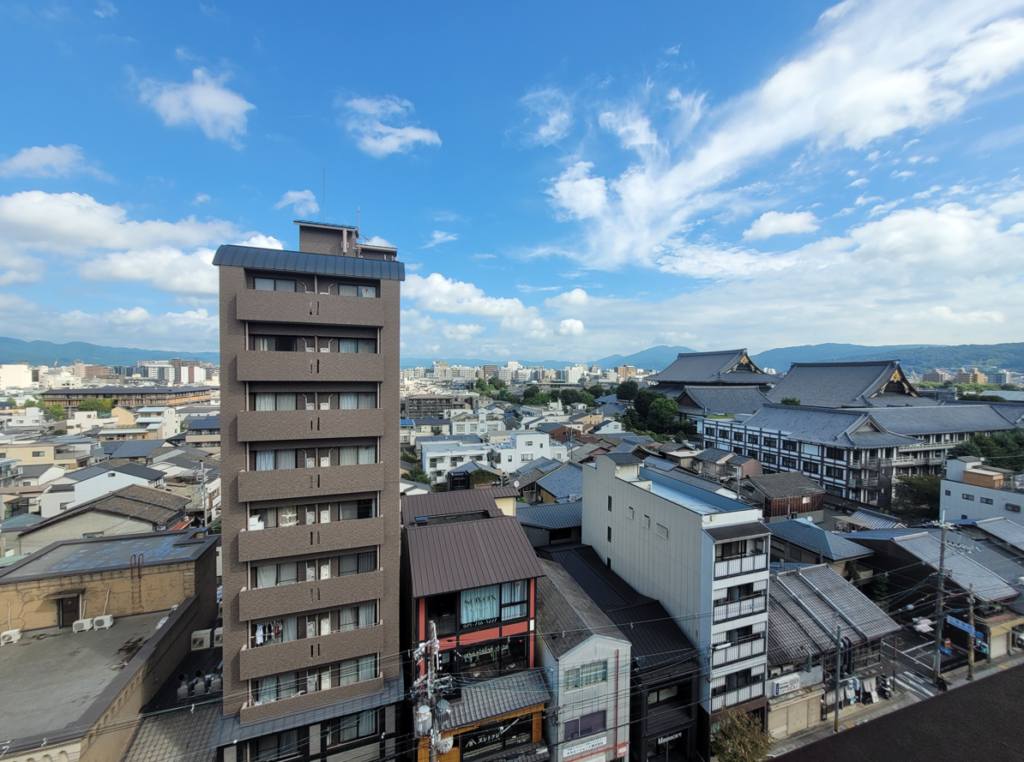
So, the official law of the Japanese government as of 2005 is that all foreign visitors to Japan must provide their passport information when checking into accommodation. This comes in addition to their name, address, and occupation, as well as any relevant contact information. The passport not only confirms that the foreign guests are filling in their check-in information accurately, but also allows the accommodation staff to produce a copy of the passport information, which, again, is a requirement of the law.
Physical vs. Electronic Copy
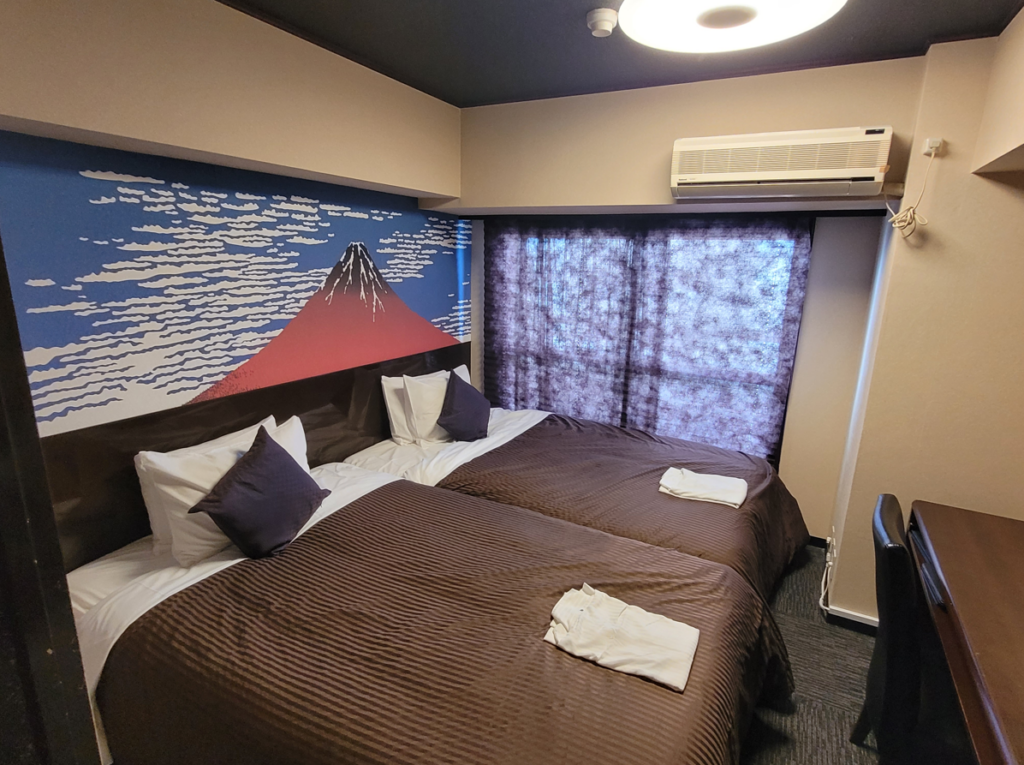
While it’s the law to provide your passport information to your accommodation upon checking in, whether or not it needs to be a physical copy is ultimately up to the establishment. Most will certainly insist on the physical copy for legitimacy purposes; however, some hotels will ask you to send your passport information, typically a photo, well in advance of you checking in. Other establishments, such as Lestel Maru hostel in Sapporo, use a digital check-in system upon arrival, requiring you only to type in your passport number on a tablet device check-in screen.
The “Zairyuu Card” Alternative
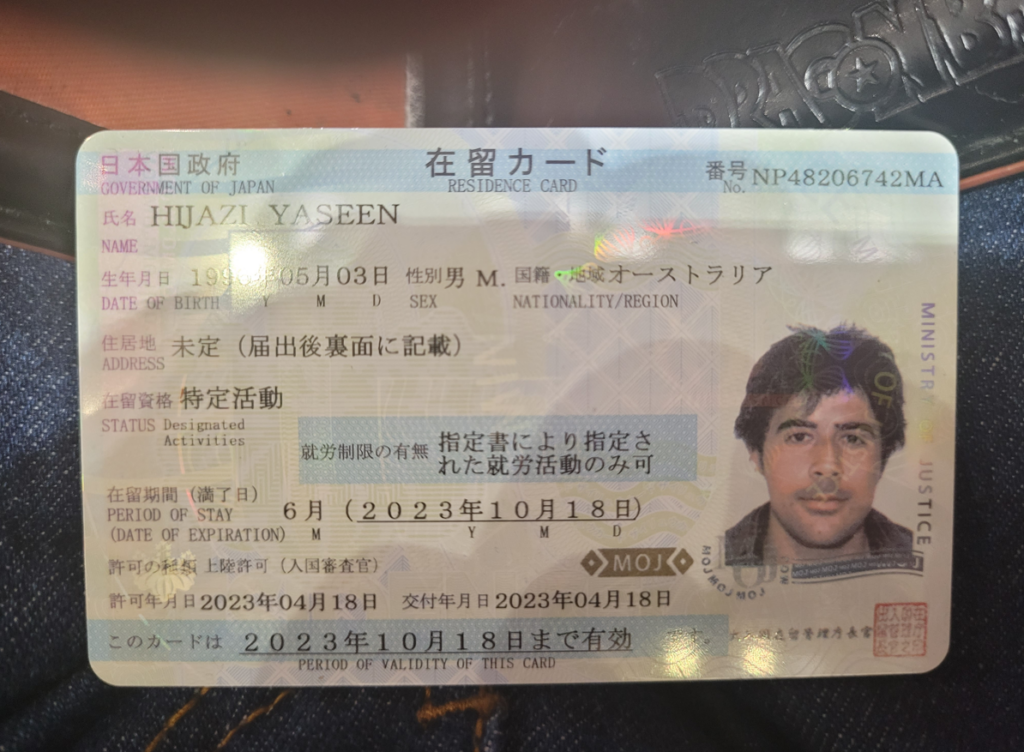
For those foreign visitors on a long-term visa, your “zairyuu card,” otherwise known as your residence card, can be used in place of your passport for most identification processes. This means checking into accommodations, applying for a driver’s license, and even traveling domestically can all be done using the zairyuu card. During my time in Japan on a Working Holiday Visa, I found it super convenient not to have to carry around my passport everywhere and instead keep my zairyuu card on hand in my wallet. By law, it’s necessary for foreign visitors to carry around some form of identification, and that usually means their passport if they are not on a long-term visa!
To learn more about life in Japan, check out my book: The Japanese Pursuit of Perfection. This book features my most profound observations of Japanese culture and society as a foreign resident. Available in e-book, paperback, and hardcover. Grab your copy today!