
The ryokan is a traditional Japanese inn that features tatami mats, futon beds, and many other features of a traditional cultural experience.

A ryokan stay is a must-do to fully embrace Japan’s cultural side. At these traditional Japanese inns, you will experience dining, dressing, and sleeping the traditional way, just like the time of the samurai! While ryokans can be quite pricey, they are also quite versatile in their price range, from as low as 10,000 yen a night to as high as 100,000 yen per night and beyond.
Whether you’re traveling solo, as a couple, or with family and friends, ryokan stays can offer a unique experience that captures the zen-like vibe that traditional Japanese inns are all about. It can be a meditative experience for the solo traveler, a quiet romantic getaway for couples, or a vibrant cultural experience for families and friends!
Traditional Ryokan Set Dinner
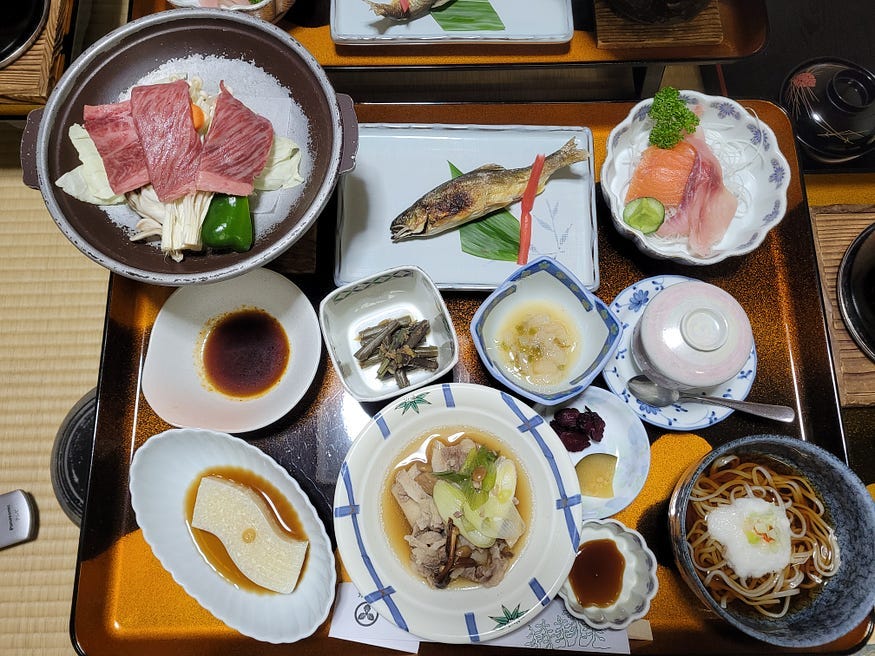
The standard ryokan dinner set includes your classical Japanese cuisine mix, from grilled fish to salmon sashimi, assorted vegetables, tofu, soup, and your very own shabu shabu set (beef hotpot). Items vary by ryokan, but will usually resemble something like the photo above. These sets typically come with an accompanying matcha tea set, though this is often provided upon checking in to your room.
Around dinner time, staff will come into your room and set up the ryokan feast for you. Trays will be laid out on a low-standing table or directly on the tatami mat, and any pots or mini-stoves will be lit up for cooking. A delicious and nutritious dinner that reflects the best of Japanese cuisine, you’ll have one of the best sleeps of your life after a post-onsen ryokan feed!
Luxurious Breakfast Set & Buffet
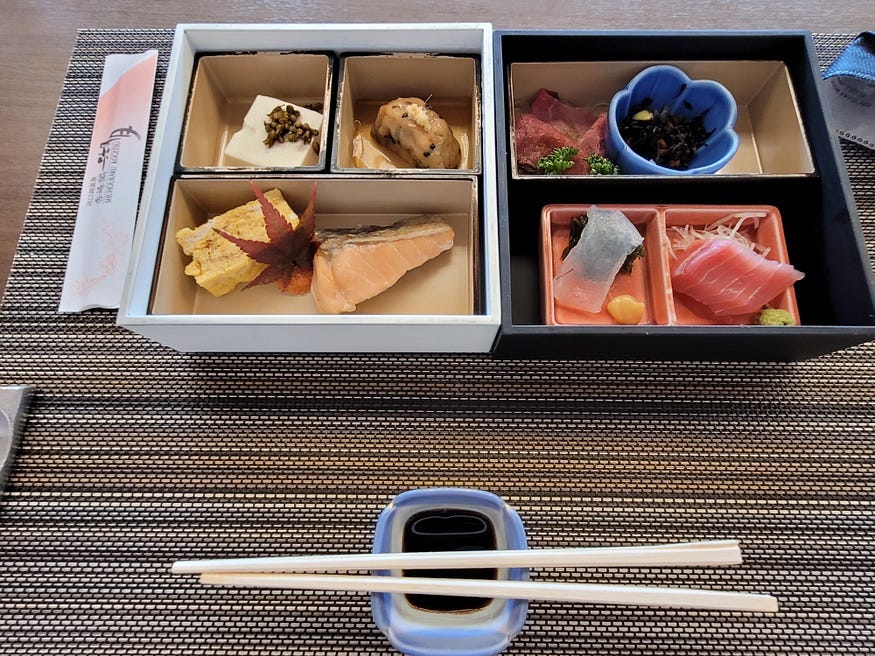
Ryokan breakfasts will always feature a set of traditional assorted Japanese foods, not so different from the dinner items. This means more pickled vegetables, fish, and tofu. However, nowadays it’s common to also see Western breakfast items included in the meal or accompanying breakfast buffet.
In one of my ryokan stays near Tokyo, they offered baked breads such as melonpan as well as cereals, milk, juice, pastries, and other standard continental breakfast items in addition to the Japanese breakfast set. There were also plenty of Japanese foods at the buffet, such as curry rice, miso soup, and vegetable noodles.
Relaxing Hot Spring Baths (Onsen)

Since the objective of ryokan establishments is to promote blissful relaxation for its guests, most will feature some kind of public bath. Depending on the level of luxury of the ryokan, this could be a classic onsen (hot spring bath) or simply a man-made bath run on electric heating.
Some ryokans I’ve stayed at included both a private bath in your room and a shared public bath outside. These baths are perfect for relaxing the muscles, destressing, and increasing blood flow, allowing you to sweat out toxins and feel completely refreshed and calm. It can be a good idea to have your bath before dinner, as the sweating surely builds up an appetite!
Traditional Attire (Yukata)
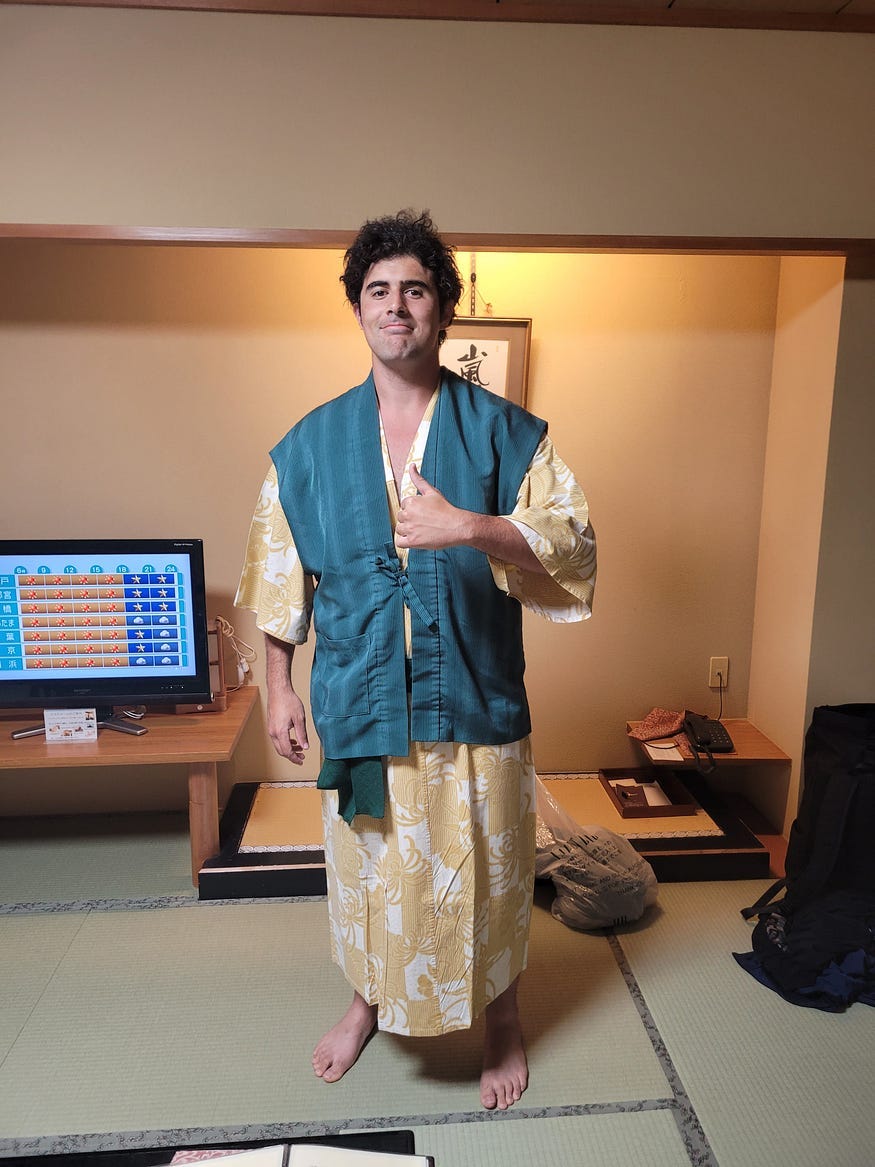
The yukata is a lighter version of the kimono, and is a typical outfit provided by ryokan hospitality services. You can generally choose your size as needed, and they provide a comfortable wear that’ll have you feeling like you’ve gone back in time to ancient Japan. You can enjoy wearing the yukata in and outside of your room, through the hallways, and even at common dining areas (don’t worry, everyone’s doing it!).

During colder seasons, the yukata is accompanied by a kind of cardigan that offers extra warmth, particularly when you are outside for a stroll. Matsumoto Ryokan is my recommended choice for your stay at the Ginzan Onsen, as its prices are very reasonable, though a degree of Japanese proficiency is needed for a smooth booking. I’ll never forget the magical night I spent in Ginzan, walking across beautiful bridges in my wooden sandals and enjoying the public foot baths with soothing hot spring water!
Unbeatable Gardens & Scenery
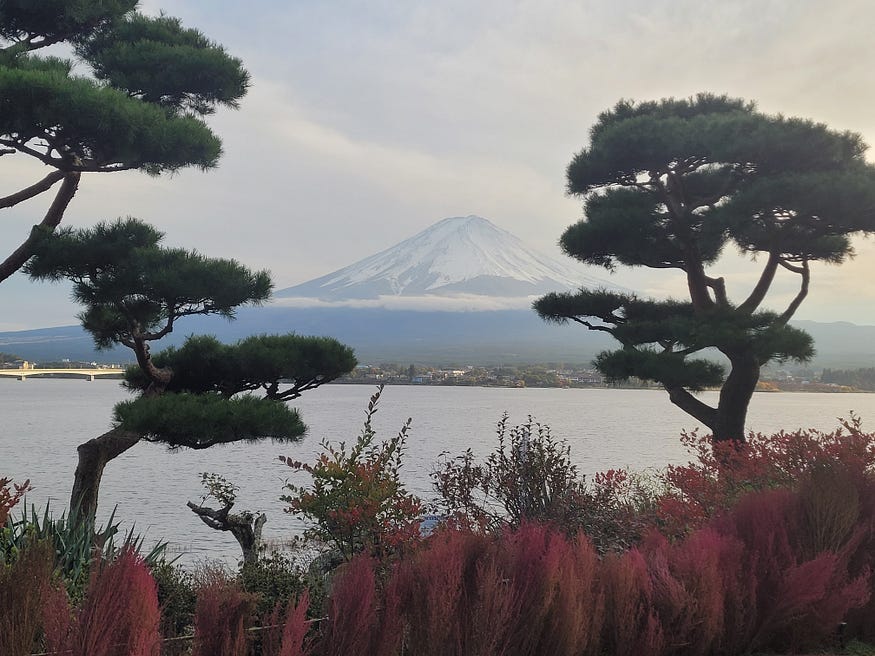
Most ryokans also feature indoor and/or outdoor Japanese gardens with beautifully prepared bonsai trees. The ryokan at Shuhoukaku Kogetsu features stunning bonsai trees in a luxurious garden, perfectly framing the iconic Mt. Fuji and Lake Kawaguchi. It’s particularly beautiful in autumn when the trees and shrubs take on various colors, such as golden brown and scarlet red, and the visibility of Mt. Fuji is nice and clear with its iconic snow cap.
While everything up til now is a standard feature to expect at a traditional Japanese ryokan, this last one really depends on where you book. Some ryokan stays are located in the middle of busy cities with no impressive views, while others are absolutely breathtaking, featuring views of mountains and their surrounding lakes. Regardless of your budget, there’s sure to be a ryokan that fits the bill, and I guarantee an experience you’ll cherish for life!
To learn more about life in Japan, check out my book: The Japanese Pursuit of Perfection. This book features my most profound observations of Japanese culture and society as a foreign resident. Available in e-book, paperback, and hardcover. Grab your copy today!